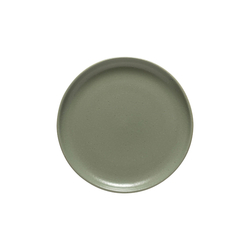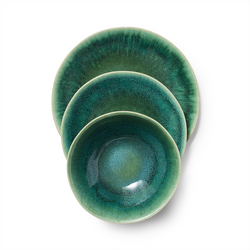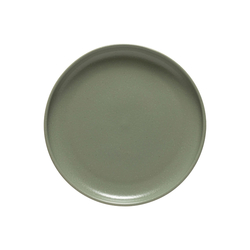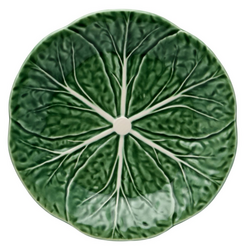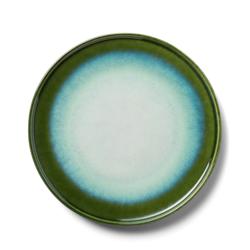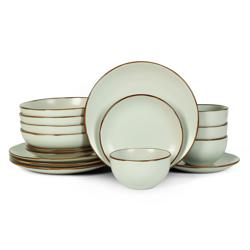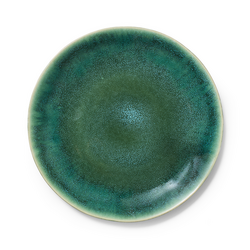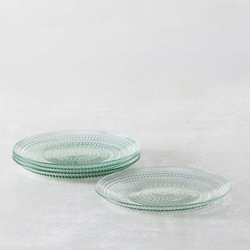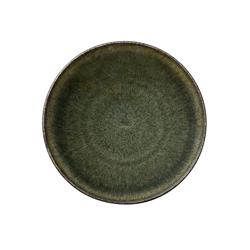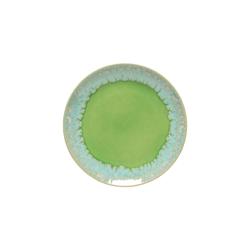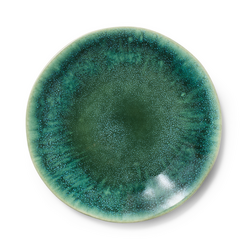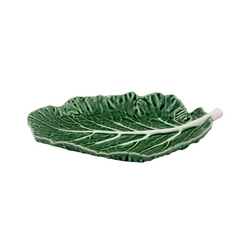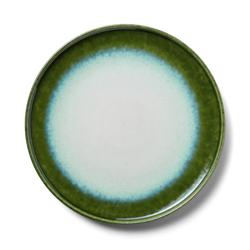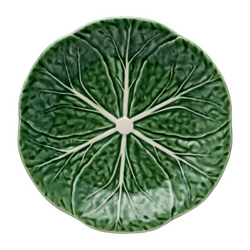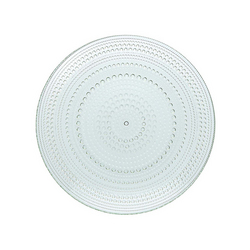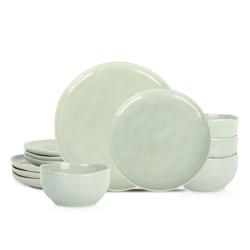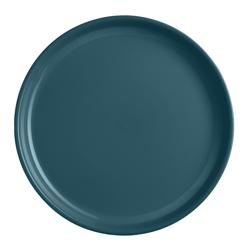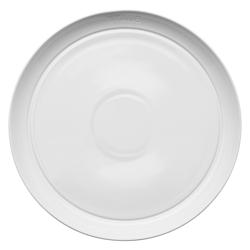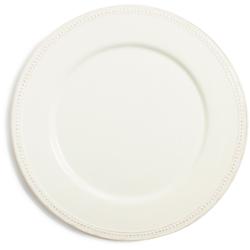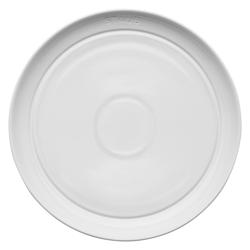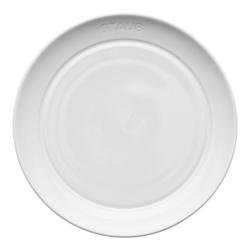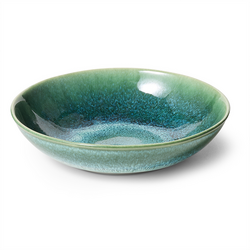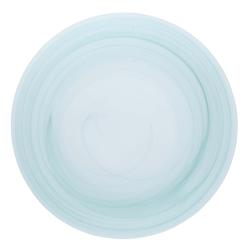
Crackled green salad plates are smaller dining plates with a green finish and a fine, web-like pattern that adds depth to the surface. On ceramic plates, that pattern may come from a decorative crackle glaze; on melamine, a similar look can be created with a printed design. The effect brings detail to the table without relying on a bold motif, giving simple salads, appetizers and desserts an appealing backdrop. Green can read as soft and understated or rich and jewel-like, depending on the shade, glaze and surrounding dinnerware. A pale green plate lets sliced tomatoes, roasted beets and leafy greens stand out, while a deeper green creates contrast with creamy cheeses, golden pastry and a slice of lemon cake. Although the name suggests a single course, salad plates often become some of the most useful pieces in a cupboard. Their smaller footprint suits toast at breakfast, a sandwich at lunch or a few bites served before dinner. Many salad plates measure about 7 to 9 inches across, though dimensions vary, and the usable eating surface matters as much as the overall diameter. A broad decorative rim leaves less room for food than a narrow rim on a plate of the same size. For a salad topped with sliced chicken, grains or roasted vegetables, a generous center and slightly raised edge help keep ingredients contained. For a small green salad beside a main course, a more compact plate can leave welcome room for glasses and serving dishes. Consider how the plate will sit beside existing dinnerware, too. Layered over a plain dinner plate, a crackled green finish becomes a focal point; placed directly on a woven mat or linen napkin, it can feel relaxed and unfussy. The pattern offers enough visual interest to make a simple place setting feel considered, whether the meal is a quick lunch at the kitchen counter or dinner with friends.
Material makes a meaningful difference in how crackled green salad plates feel, perform and fit into everyday routines. Stoneware generally has a substantial feel that works well for casual meals and textured table settings, although its weight and thickness vary. Porcelain can offer a finer profile while remaining suitable for regular use when made and cared for accordingly. Earthenware may have a more porous body and need particular attention to the maker’s care directions. Lightweight melamine is useful when easy carrying and resistance to breakage are priorities, such as meals on a patio or a busy family table, but it is not unbreakable and generally should not go in the microwave or oven. A crackled appearance alone does not identify a plate’s material, durability or suitability for food contact. For ceramic pieces, distinguish an intentionally decorative finish from new cracking, chips or damage that develops with use. Choose dinnerware intended for serving food and follow its specific instructions rather than assuming every glazed plate is dishwasher safe or microwave safe. Some crackle-glazed ceramics require hand-washing or precautions against soaking and staining; others have different care requirements. Prompt, gentle cleaning is especially useful after serving foods with strong pigments, such as beets or tomato-based dressings. Avoid abrasive scrubbers, and follow any guidance about acidic foods or prolonged food contact. Sudden changes in heat can also damage ceramics, so a plate should not move straight from a refrigerator into a hot oven unless it is specifically designed for that use. For daily convenience, look beyond the finish to the underside, rim and stackability. A smooth foot helps protect the table, while a comfortable edge makes a plate easier to carry and pass. Check whether the diameter fits the dishwasher rack and cupboard shelf, and consider the weight of several plates together. A beautiful finish is easier to enjoy when the shape and care needs suit the way meals actually happen.
The appeal of crackled green dinnerware is its ability to add character while still working with familiar pieces. Pair green salad plates with white dinner plates for a clear contrast that keeps the food in focus, or combine them with cream and warm neutral tones for a softer setting. Clear drinking glasses and simple flatware give the glaze room to stand out. Wood serving boards, textured napkins and unpatterned bowls can echo its relaxed character without making every element compete for attention. For a related look with an emphasis on earthy color and texture, explore
Rustic Green Salad Plates. When coordinating different pieces, a shared undertone often matters more than an exact color match: yellow-leaning greens tend to sit comfortably with warm ivory, while blue-leaning greens can look especially crisp against cooler whites. Crackle patterns and glaze depth may vary between ceramic pieces, particularly when the finishing process produces individual differences. That variation can be part of the appeal, but a consistent diameter and rim shape help a mixed table feel cohesive and make stacking simpler. Think about the number of plates needed for both everyday meals and the way guests are served. A household that uses small plates for breakfast and lunch may appreciate enough to cover another meal before the dishwasher runs. For entertaining, separate plates for appetizers and dessert can keep the evening moving without a midmeal wash. These pieces also make thoughtful gifts for someone setting up a home, building a dinnerware collection or enjoying more meals around the table. The most useful choice takes the recipient’s habits into account, including storage space, preferred plate weight and willingness to hand-wash. Someone who loves arranging small bites may reach for them as often for olives, crostini and wedges of cheese as for salad. Someone with a simple everyday table may value the way a green glaze adds color without requiring new linens or matching serving pieces. With the right size, material and care requirements, crackled green salad plates can earn a regular place in the daily rotation rather than being saved only for company.