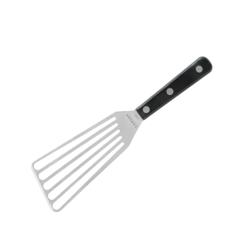
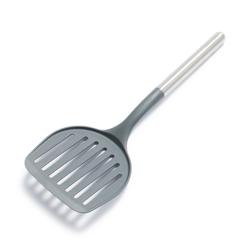
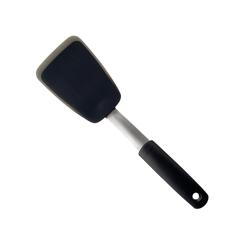
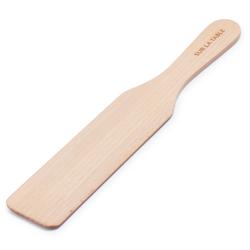
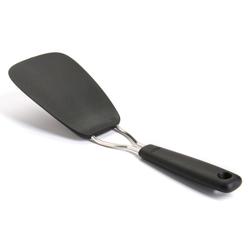
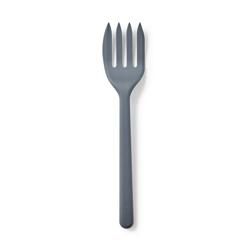
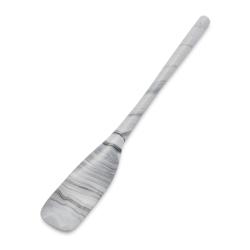
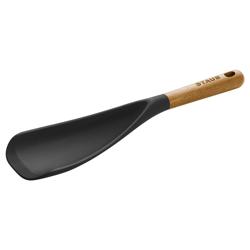
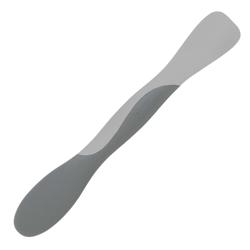
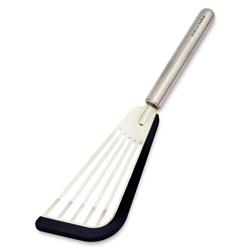
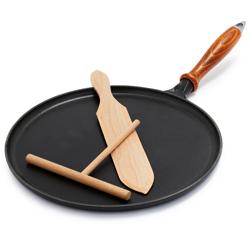
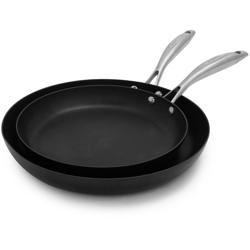
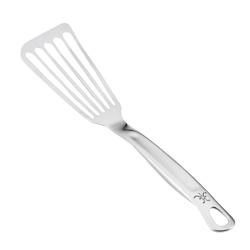
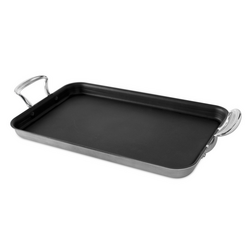
Thin turners for delicate crêpes help with one of the most satisfying moments at the stove: lifting a tender, lightly browned round without tearing its center or folding its edges underneath. Unlike a thicker spatula designed for heavier foods, a thin turner has an edge that slips beneath a crêpe with less disturbance. That difference matters whether the finished crêpes will hold sautéed mushrooms and cheese, a spoonful of jam or a simple sprinkle of sugar with lemon. A useful blade balances flexibility with support, bending enough to follow the surface of the pan while remaining steady beneath the food. Width and length both influence how that feels in practice. A narrow blade reaches into small spaces and offers precise control, while a broader surface supports more of a crêpe during lifting and transferring. Longer blades can reach farther underneath a wide crêpe, though the best fit still leaves room to maneuver within the pan. Low-sided crêpe pans make access easier; a skillet with taller sides may call for a different handle angle or a more flexible edge. The shape of the blade’s leading edge also deserves attention. A smooth, tapered edge should ease beneath the food rather than push against it, and rounded corners are less likely to catch a fragile edge. Handle comfort becomes especially noticeable when making a stack for several people. A secure grip, balanced weight and comfortable distance from the pan help each movement feel controlled rather than awkward. These details make thin turners useful for cooks trying crêpes for the first time as well as those who already know how they like their batter to spread. The goal is not the thinnest blade at any cost, but a shape that suits the cookware, the size of the crêpes and the way the cook prefers to lift, turn and serve them.
Material plays an equally important role in choosing a crêpe turner, particularly when matching the blade to the cooking surface. Stainless steel can provide a very fine edge with enough spring to slip beneath delicate foods, making it a practical option for cookware whose manufacturer permits metal utensils. Its strength does not make every metal turner appropriate for every pan, however. Nonstick coatings and other surfaces that require gentler utensils need a compatible material, and the cookware’s care instructions should take priority over a preference for a particular blade. Silicone and nylon offer alternatives when metal is not recommended, but their performance depends on construction as well as material. A flexible silicone edge may move easily around the pan, while a reinforced center can add support during lifting. Thickness varies, so a soft material alone does not guarantee that a turner will slide neatly beneath a thin crêpe. Nylon can provide a lightweight feel and a relatively firm blade, though its heat limits deserve careful attention. Wooden turners offer another distinct feel, with rigidity and edge thickness varying by design. Across materials, the useful distinction is between a blade that flexes with control and one that bends too readily under the food. Heat resistance is also specific to the utensil, not a promise shared by an entire material category. Check the stated temperature rating and any separate instructions for the handle, especially if the turner will also be used for eggs, pancakes or other stovetop cooking. For related options, explore
Heat Resistant Turners with the same attention to blade shape, cookware compatibility and intended use. A higher heat rating does not necessarily mean a finer edge or better support for crêpes. The most suitable choice brings those qualities together without adding unnecessary weight or bulk. Smooth transitions between the blade and handle, a comfortable grip and a well-finished edge all contribute to a tool that feels dependable through repeated batches, not just during a single flip.
Care and storage help preserve the qualities that make a thin turner useful. A finely tapered edge needs protection from bending, nicking or being pressed beneath heavier tools in a crowded drawer. Storage that leaves the blade uncompressed helps maintain its shape, while a hanging loop may be convenient when drawer space is limited. Cleaning requirements vary by material and construction, so dishwasher-safe claims should be checked rather than assumed. Hand-washing with mild soap and a nonabrasive sponge can be a practical approach when recommended by the maker, especially around joints where batter or melted cheese might collect. Wooden utensils generally need prompt washing and thorough drying rather than soaking, with any additional care guided by the manufacturer. Silicone and nylon blades should be checked for splits, peeling or heat damage, while metal edges should remain smooth and free of burrs that could catch food or scratch cookware. A flexible blade is intended to bend within its design, not to pry loose stubborn food or scrape aggressively against a pan. For everyday cooking, a thin turner may earn its place beyond crêpes by handling tender omelets, small pancakes or delicate cookies that need support during transfer, provided its shape and material suit the task. That versatility makes the category appealing to people furnishing a first kitchen, cooks refining a familiar breakfast routine and anyone who enjoys preparing filled crêpes for a relaxed meal with friends. As a gift, a thoughtfully chosen turner can complement a crêpe pan or a small collection of baking and breakfast tools without requiring much storage space. Knowing the recipient’s cookware matters more than choosing the most elaborate design. A fine edge, comfortable handle and straightforward care requirements are useful qualities whether the recipient makes crêpes often or simply enjoys having the right tool for delicate work. The result is a practical addition to the kitchen, chosen for the small but noticeable difference it makes when food needs a gentle touch.