-
(85)
Chef Bre showed us that we can make great food at home with the right ingredients and technique....We always love the date nights. . Loved the company-You get to meet fun people....Chef Bre is the absolute best!
-
(62)
Great times and good food!...Chef David was great! We all had a wonderful time and the food was delicious!...Great class.
-
(61)
I love The British Baking Show, and they always show all these delicious-looking patisseries....We had a great time!...great instructors, but......wonderful) but of the details of the class:
-instructor was knowledgeable, personable & led a great -
(1)
Great class. I?ve made this meal several times since the class
-
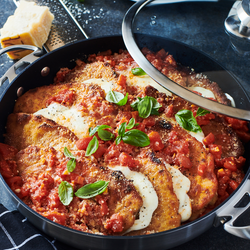
Cooking Class Description: Step into Little Italy for an evening of Italian comfort and connection. You’ll bread and pan-fry perfect Chicken Parmesan, then spin fresh pasta for a creamy, peppery Cacio e Pepe—a Roman favorite whose name translate to simply...
-
Cooking Class Description: Skip the takeout and learn how to make your favorite Thai dishes at home. In this hands-on class, you’ll learn secrets for combining aromatic herbs and spices with authentic ingredients to create the flavors that make Thai...
-
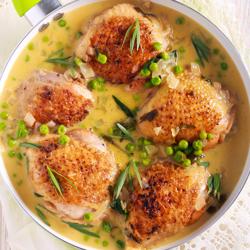
Cooking Class Description: From Paris to Provence, bistros are at the heart of French cuisine. Join us for this fabulous bistro fare and learn to prepare a complete menu of simple-yet-sophisticated classics. We’ll show you easy traditional French cooking...
Approachable Entertaining Menu For First-Time Hosts
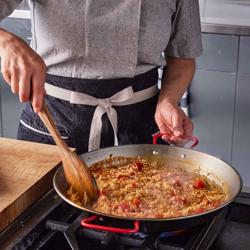
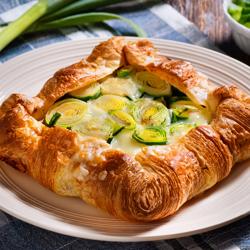
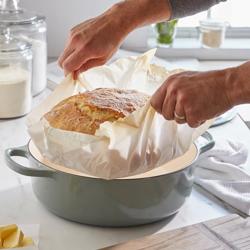
Approachable Entertaining Menu For First-Time Hosts makes it easy to gather friends and family around the table with confidence. Designed for those new to hosting, these menu ideas focus on simple techniques and crowd-pleasing flavors that take the stress out of planning your first get-together. With step-by-step guidance and a focus on approachable dishes, you’ll spend less time worrying about the details and more time enjoying the company of your guests. Start your hosting journey with recipes and tips that help every meal feel special, no matter the occasion.
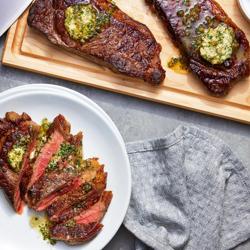
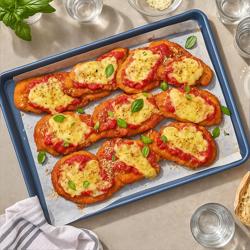
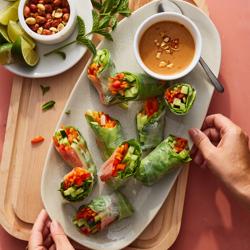
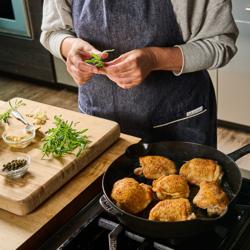
Approachable Entertaining Menu for First-Time Hosts
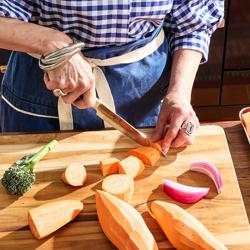

-
"Such a fun class and Chef Dom was a fantastic teacher and so great to learn from"
-
"ve now made three of them for various Christmas parties and people love it"
-
"I would love to take another class with her in the future, and this croissant class was in the top 3"
-
"Great dishes"
-
"The facilitator was great, she gave enough time to make and enjoy each drink, and also threw in some"