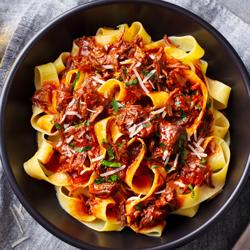
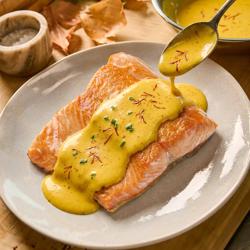
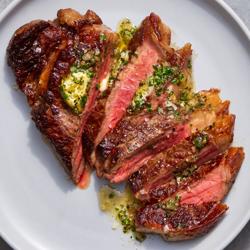
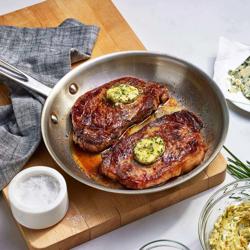
Back-to-school date night cooking classes give couples a chance to step away from packed schedules, prepare a meal together, and learn skills they can use long after the evening ends. These hands-on experiences combine chef-led instruction with the pleasure of sharing food you helped make, turning dinner into something more engaging than another reservation or takeout order. Beginners can get comfortable with unfamiliar techniques, while experienced home cooks can explore a different cuisine or understand why a familiar recipe works. The back-to-school connection is less about homework and more about making room for each other when everyday routines get busy again. For parents balancing school pickups and evening activities, a cooking class can be a welcome stretch of time spent talking about something besides the family calendar. Teachers, graduate students, and couples without children can appreciate the same change of pace as work and social commitments fill the cooler months. Instead of one person handling dinner while the other finishes a task, both have a reason to stay at the counter, pay attention, and contribute. One person might chop herbs while the other stirs a sauce, with an instructor helping explain what to look for along the way. There is room for conversation, but there is also a shared focus that can make time together feel easy and unforced. You do not need matching skill levels to enjoy the experience; a confident cook and a cautious beginner can each find something useful in the same lesson. The evening also has a satisfying arc: ingredients become a meal, individual steps begin to make sense, and tasting what you have prepared gives you something concrete to enjoy together. For couples looking for a date night that includes both an activity and dinner, cooking classes offer a practical way to try something different without needing to plan every detail yourselves.
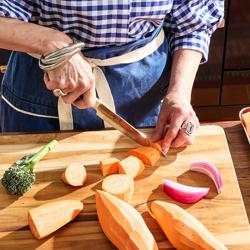
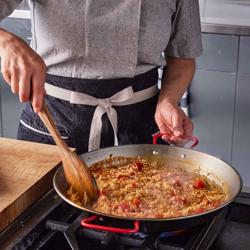
What you learn in a date night cooking class depends on the menu, but the most useful lessons often reach beyond a single dish. Chef-led instruction can help connect written directions to the sights, sounds, and textures that tell you what is happening in the pan. A recipe may say to cook until golden, for example, while a hands-on lesson gives you a chance to see the difference between a pale surface and a properly browned crust. You might practice cutting vegetables into evenly sized pieces so they cook at the same rate, adjusting heat when ingredients begin to color too quickly, or tasting a sauce before deciding whether it needs salt or acidity. Depending on the class, the experience could include working with dough, building a sauce, preparing a main course, or assembling a dessert. Watching a demonstration and then trying the technique yourself makes it easier to recognize where a step feels unfamiliar and ask a specific question. For couples, these moments can be especially useful because both people hear the explanation and can remember different details later. One may notice how the instructor organizes ingredients before cooking; the other may remember the texture a mixture should have before it moves to the next stage. That shared understanding can make cooking at home feel more collaborative, particularly on evenings when time is short and several things need attention at once. Learning to read through a recipe, start the longest-cooking component first, and keep a work surface clear can be just as valuable as mastering an impressive finishing touch. A class does not have to focus on quick meals to make everyday dinners easier. Even a more leisurely menu can teach habits that carry over to a simple weeknight supper. The reward is not just a finished plate, but a clearer sense of how small decisions affect flavor and texture. When it is time to taste the meal, comparing what you notice—a crisp edge, a tender center, or the brightness of fresh herbs—becomes part of the experience rather than a test of culinary knowledge.
Choosing back-to-school date night classes starts with finding a menu that sounds enjoyable to both of you and an experience that fits the kind of evening you want. A familiar cuisine can offer a comfortable starting point for someone who rarely cooks, while an unfamiliar technique can give a more adventurous pair something new to explore together. Read each class description for the dishes covered, the skills emphasized, and any details about the session’s length or participation requirements. If either person has a food allergy or dietary restriction, check the stated guidance and confirm whether the menu can accommodate it before booking; a cooking classroom may involve shared ingredients and equipment. It is also worth reviewing how hands-on work is organized, since a couples-focused evening can still include preparing food alongside other attendees. For some pairs, that social setting adds to the fun, with conversation developing naturally over a shared task. Think about your schedule as well as your appetite. An evening with enough breathing room to arrive without rushing is likely to feel more like a date than an appointment squeezed between obligations. These classes can suit an anniversary, a birthday, a first date with a built-in activity, or an ordinary evening that deserves more attention than usual. They can also mark a transition, such as settling into a new school routine or finding time together after a demanding stretch at work. Throughout the cooler months, learning to prepare a satisfying meal has an appeal that extends well beyond the initial return to school. Couples drawn to seasonal cooking can also explore
Fall-Themed Date Night Classes for another way to choose an evening around flavors they enjoy. Afterward, recreating one element of the class at home can keep the experience going without turning it into a major undertaking. A sauce served with a familiar dinner or a technique practiced on a quiet weekend is enough to bring back what you learned—and give you another reason to cook together.