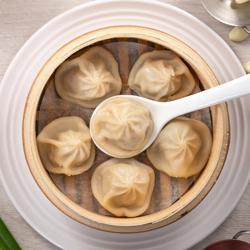
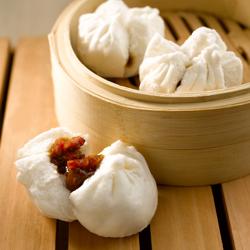
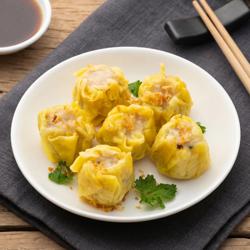
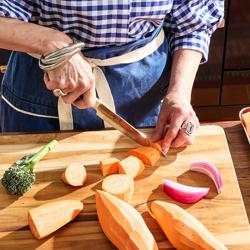
Chinese cooking classes with ingredients provided make it easier to spend less time planning a shopping list and more time learning how a dish comes together. These hands-on experiences typically include the raw and specialty ingredients needed for the menu, along with professional instruction and access to the cooking equipment used during class. Depending on the format, that may mean working at a commercial culinary studio, a chef-led kitchen, or another dedicated teaching space with woks, bamboo steamers, knives, mixing bowls, aprons, and other tools ready to use. A class may last two to three hours and finish with a shared meal or tasting of the dishes prepared, giving students a chance to enjoy the results while the techniques are still fresh. Menus vary, but many classes introduce foundational skills such as preparing aromatics, balancing salty, sweet, sour, and savory flavors, stir-frying over high heat, steaming, folding dumplings, making noodles, or using a velveting technique to keep meat tender. Having ingredients provided is especially helpful for cooks who are curious about Chinese food but do not yet have a pantry stocked with specialty sauces, dried ingredients, fresh produce, or hard-to-find seasonings. It also allows experienced home cooks to work with unfamiliar ingredients in the right proportions and learn practical substitutions from an instructor. Before booking, review the menu, class length, location, and skill level, and check whether the experience includes a full meal, tasting portions, printed recipes, equipment use, or time for questions. Dietary information matters as well: guests should look for clear guidance about allergens, vegetarian or other menu options, and whether substitutions can be arranged in advance.
These classes are a welcoming choice for beginners, couples, friends, families with older children, and home cooks who enjoy learning by doing rather than watching from the sidelines. A good instructor explains the small details that make a noticeable difference, such as heating a wok properly, cutting ingredients so they cook evenly, layering aromatics without burning them, or spacing food in the pan so it sears instead of steams. Those are the moments that tend to stay with you: the sudden fragrance of ginger and scallion rising from a hot pan, the soft give of dough becoming easier to fold, or the satisfying sound of vegetables meeting oil. Because the ingredients are measured and prepared as part of the class experience, students can focus on technique and flavor instead of rushing between grocery aisles or wondering which variety to buy. They can also take home a clearer sense of how to recreate the meal, adapt it to their own kitchen, and build a more useful pantry over time. In-person classes offer the energy of cooking alongside other people, while virtual options may provide a live demonstration and a mailed or suggested ingredient kit for cooks who prefer to learn at home. Fresh ingredient delivery and equipment requirements can differ by region and class, so it is worth confirming what arrives, what must be purchased separately, and how far in advance ingredients should be prepared. For guests who enjoy pairing food with a memorable outing, a class that includes a sit-down tasting creates an especially complete experience; explore
Chinese Cooking Classes With Tasting for an option centered on enjoying the finished dishes as part of the lesson.
A Chinese cooking class with ingredients provided can also be a thoughtful gift for someone setting up a first kitchen, a seasoned cook looking to expand beyond familiar recipes, or a friend who prefers shared experiences over more things to store at home. It works well for birthdays, anniversaries, celebrations with a partner, and gatherings with friends, particularly when the recipient appreciates good food and a little hands-on adventure. During the warmer part of the year, a class can be a refreshing way to spend an afternoon indoors, and as the weather turns cooler, the comforting rhythm of steaming, simmering, folding, and sharing a meal feels especially inviting. When choosing a class as a gift, consider the recipient’s comfort with new flavors, preferred schedule, transportation needs, and whether they would enjoy a relaxed beginner session or a more focused workshop. Some people love the social side of a group class, while others may prefer a smaller setting with more direct guidance. It is also helpful to check cancellation policies, accessibility details, age requirements, and how menus may change with ingredient availability. The best experience leaves guests with more than a delicious meal: they gain techniques they can use at home, confidence handling unfamiliar ingredients, and a collection of sensory memories tied to the food they made themselves. Whether the goal is to learn dumpling folding, improve weeknight stir-fries, understand the balance of a savory sauce, or simply share a meal prepared from start to finish, these classes offer an approachable introduction to the depth and variety of Chinese cooking.