Coffee brewing and breakfast classes bring two everyday pleasures into the kitchen classroom: a well-made cup of coffee and a meal worth sitting down to enjoy. These experiences can help home cooks understand the choices behind a balanced brew, build confidence with breakfast techniques, and make the first meal of the day feel less rushed. The appeal of
Coffee Brewing Morning Classes is the opportunity to connect small brewing decisions with differences you can actually taste. Depending on the class, instruction may cover the relationship between coffee and water, how grind size affects brewing, and why water temperature and contact time matter. Extraction—the process of dissolving flavor compounds from ground coffee into water—becomes easier to understand when contrasting cups are tasted side by side. A thin, sharply sour cup and a harsh, drying one provide more useful reference points than a list of technical terms alone. Different brewing methods also create different experiences. Water passing through a bed of grounds behaves differently from water steeping with coffee, and a paper filter can yield a different texture from a metal filter. A class focused on manual brewing may explore those distinctions, while espresso instruction involves its own skills and equipment. The class description should identify that focus rather than leave you expecting every brewing method in one session. Beyond technique, guided tasting can help you notice sweetness, acidity, bitterness, aroma, and body without needing an expert vocabulary. Describing a coffee as bright like citrus, rounded like toasted nuts, or heavy on the tongue is a practical way to recognize preferences. That understanding is useful whether your usual coffee accompanies a quick breakfast before work or a leisurely meal shared across the table. The goal is a more repeatable cup that suits your taste, not a complicated routine that takes over the morning. For beginners especially, seeing a brewing process demonstrated can make the variables feel manageable rather than mysterious.
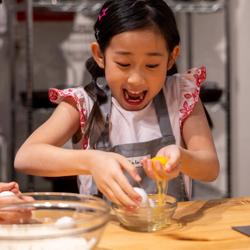
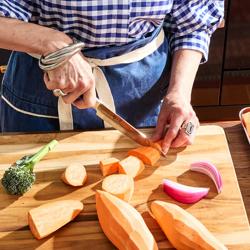
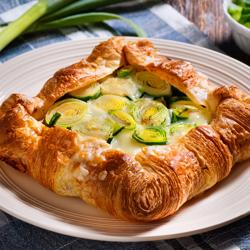
Breakfast cooking classes offer a similarly practical connection between observation, technique, and results. Familiar dishes can be surprisingly revealing: eggs show how quickly heat changes texture, pancakes demonstrate the importance of mixing and timing, and baked breakfast dishes reward careful measuring and preparation. Depending on the menu, a class might explore how to keep scrambled eggs tender, recognize when a griddle is ready for batter, or develop a golden exterior without leaving the center undercooked. These are useful skills because the cues are often visual and tactile, not simply a matter of watching the clock. A glossy surface, a gently set center, or bubbles breaking across a pancake can tell a cook when to act. In a class built around baking, the focus may shift toward handling dough, avoiding overmixing, and understanding how ingredients contribute to tenderness or structure. The most relevant menu is one that matches what you enjoy eating and would like to make again. Someone who loves a savory breakfast may be drawn to egg cookery and vegetable preparation, while another cook may be more interested in batters, pastries, or the balance of fruit and sweetness. Coffee and breakfast also make a natural pairing because each changes how the other tastes. A bright coffee can seem different beside a buttery pastry than it does alongside a savory egg dish, making the meal a useful setting for exploring personal preferences. Just as important is the rhythm of preparing several things together. Coffee can finish brewing before the food is ready, toast can lose its crispness, and delicate eggs need attention at the last moment. Classes that address preparation and timing can help make sense of that coordination, including which tasks can happen ahead and which deserve a final-minute finish. Those habits carry into everyday cooking, making a simple breakfast easier to serve with everything at its best rather than arriving at the table in separate stages.
These classes can suit a wide range of home cooks and coffee drinkers, from someone learning the basics to an enthusiastic host looking for a more confident brunch routine. Beginners may value a clear demonstration and time to practice, while experienced cooks may be looking for a specific technique, a different brewing approach, or feedback on a habit that has never quite delivered the desired result. A couple can share an experience that continues at home over breakfast; friends can enjoy learning together without needing to plan and prepare the whole meal themselves. For a solo attendee, the shared focus on cooking or tasting gives the experience a natural point of connection. A class can also be a thoughtful gift for someone who enjoys hands-on experiences, especially when the subject reflects an established interest in coffee, baking, or entertaining. Matching the session to the person matters more than choosing the most ambitious menu. Class descriptions are the best place to distinguish a coffee tasting from brewing practice, a demonstration from hands-on cooking, and a breakfast-focused menu from a broader brunch experience. Details about skill level, session length, participation, and any age requirements help set expectations. If espresso or milk steaming is the main interest, that focus should be stated explicitly; general coffee instruction does not necessarily include either. Dietary needs deserve the same attention, particularly with breakfast menus that may include eggs, dairy, wheat, or nuts. Confirming how a class handles allergies and substitutions before attending is more reliable than assuming a menu can be changed. The lasting value of a coffee brewing or breakfast class is often a small collection of useful observations: recognizing a balanced cup, knowing when to lower the heat, or organizing preparation so the meal comes together comfortably. Those details can make an ordinary morning more enjoyable and give a shared breakfast the care it deserves, without turning it into an elaborate undertaking.