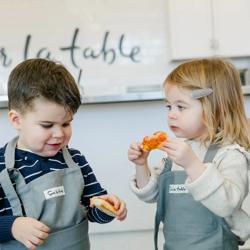
Cooking classes for children’s parties turn a birthday or special gathering into an experience guests can enjoy together, from the first stir of a mixing bowl to the proud moment when everyone tastes what they made. These hands-on celebrations are well suited to young cooks with a wide range of experience because the focus is on participation, creativity and teamwork rather than perfect technique. When comparing options, start with the children’s age range and consider how much independence they can manage in the kitchen. Younger children often do best with simple, highly visual activities such as shaping dough, decorating baked treats or assembling individual portions, while older children may enjoy a more involved menu, timed challenge or multi-step recipe. A well-planned class should leave room for instruction, preparation, cooking and plenty of conversation, without making the party feel rushed. It can be especially helpful to look for classes that welcome beginners and provide clear guidance throughout, so every guest can take part—even the child who has never held a whisk or measured an ingredient before. Cooking parties also offer a natural way to accommodate different interests. A pizza-making theme can bring out playful creativity with toppings and shapes, a decorating class gives artistic guests room to experiment, and a friendly “Chopped Junior” style challenge can add energy for older children who enjoy solving problems as a team.
The party format matters just as much as the menu. Some cooking classes take place in a culinary studio, where counters, ovens and workstations are already arranged for a group; others may be designed for a home or another event space. Consider the number of guests, the available seating and counter space, and whether an adult needs to stay for supervision. It is also worth checking what the class includes, such as ingredients, equipment, aprons, printed instructions, food containers or time for guests to enjoy their finished creations. All-inclusive options can make planning easier by bringing supplies and cleanup into the experience, while a more flexible class may allow the host to choose a theme or menu that fits the celebration. Before purchasing, review the approximate cost per child and look for any minimum or maximum guest count, additional fees or age requirements. A lower per-person price may work well for a larger group, while a smaller gathering might benefit from a more personalized format. Dietary needs deserve attention, too. Ask whether recipes can be adapted for common allergies or preferences and whether families should share ingredient information in advance. A little planning can prevent a child from being left out when the rest of the group is sampling warm pastries or proudly carrying home something they made. As the weather warms, an indoor class can offer a comfortable break from outdoor activities; during the cooler months, a cozy kitchen setting creates an inviting backdrop for gathering, learning and sharing food.
A cooking class can be a memorable gift as well as a party activity. Relatives, family friends and caregivers may choose one for a child who loves helping in the kitchen, watching baking videos or turning everyday snacks into imaginative creations. It is also a thoughtful choice for a child who already seems to have everything, since the gift provides time with friends and a skill they can continue practicing at home. For a birthday, the host can give guests a chance to work in pairs or small teams, keeping young hands busy while encouraging cooperation and conversation. Clear demonstrations, child-friendly tools and recipes with manageable steps help children feel capable, while a little room for creative decisions—such as choosing flavors, shapes or toppings—makes the finished food feel personal. Families planning a celebration for older children or young adults may also want to explore
Cooking Classes For Teens for age-appropriate instruction and more advanced projects. When selecting from the available cooking classes for children’s parties, picture the full experience: guests arriving excited, aprons tied, flour dusting the counter, and a table filled with food made by many small hands. The best choice matches the children’s ages, the group’s energy, the host’s budget and the amount of planning support needed. With the right balance of structure and play, a party class can give children more than a finished recipe—it can give them confidence, shared memories and the satisfaction of making something delicious together.