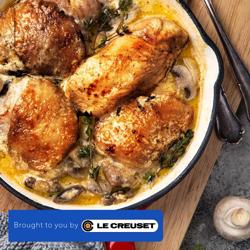
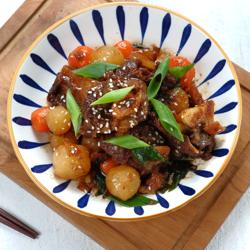
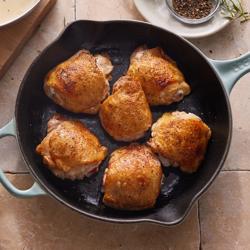
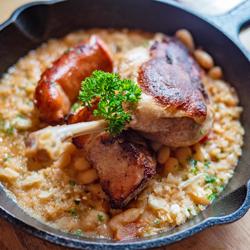
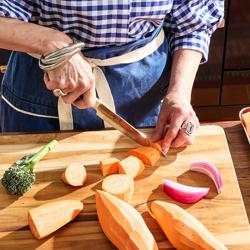
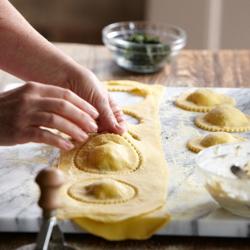
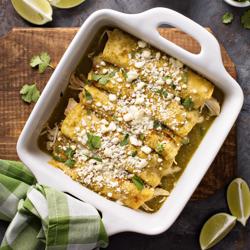
Cooking classes for comfort food lovers bring together the dishes people return to when they want something familiar, generous and satisfying. These classes are a welcoming way to build practical skills while learning recipes with a sense of place, whether that means tender fried chicken with crisp, well-seasoned coating, flaky biscuits made from scratch, handmade pasta folded and shaped by hand, or a bubbling bake that fills the kitchen with the scent of butter and herbs. The best class for you depends on the kind of cooking you enjoy most and the experience you want to have. Look for lessons centered on regional favorites, classic bakes, hearty roasts, steaks, pasta, pizza or other dishes that feel at home around a shared table. Hands-on classes are especially useful for learning techniques that are difficult to pick up from a recipe alone, such as judging dough by touch, building a pan sauce, managing oven heat or knowing when a pastry has reached the right texture. In-person classes offer the energy of cooking alongside an instructor and other home cooks, with guidance available as you work through each step. Virtual classes can be a convenient choice for cooks who prefer learning from their own kitchen, and they often include an ingredient list and preparation notes in advance. When comparing class listings, consider the menu, skill level, length, format, included ingredients and whether you will prepare a full meal or focus on one central technique. A class that covers several related skills can be a particularly valuable choice for someone hoping to become more confident at home, while a focused lesson may suit a cook who wants to perfect one beloved dish.
Comfort food classes also make thoughtful gifts because they offer more than a meal: they create an experience, a story and a skill that can be revisited long after the class ends. They work well for a curious beginner, an experienced home cook looking for fresh inspiration, a couple planning a relaxed date-night activity or a friend who enjoys gathering people around the table. For a new cook, a beginner-friendly class with clear instruction and familiar recipes can make the kitchen feel less intimidating. For someone who already cooks often, look for a menu that introduces a new regional tradition, a more advanced technique or a dish they have always wanted to master. Pasta and pizza classes are natural choices for households that enjoy cooking together, since mixing dough, shaping individual portions and adding toppings turn preparation into a shared activity. A pie or baking class can appeal to the person who loves the careful rhythm of measuring, rolling and crimping, while a roast or steak class may be a better fit for someone interested in timing, temperature and restaurant-style finishing techniques. Regional comfort food can also be a meaningful way to explore culture and family traditions through cooking. Alongside classic American favorites and Italian-inspired meals, consider
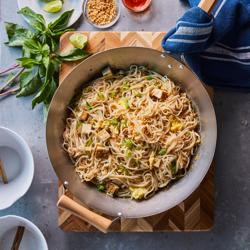
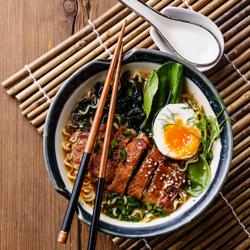
Cooking Classes For Asian Comfort Food for lessons inspired by the rich flavors, textures and time-honored methods found across Asia. If the class is being given as a gift, check whether the recipient would prefer to attend in person or join from home, and make sure the schedule, location and participation requirements fit their routine. A gift message can add a personal touch, especially when it connects the class to a shared memory, a favorite family meal or a future evening spent cooking together.
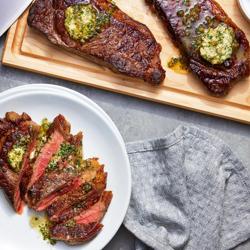
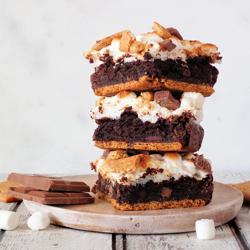
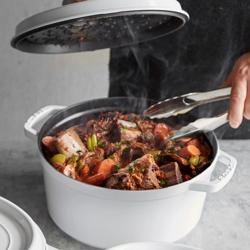
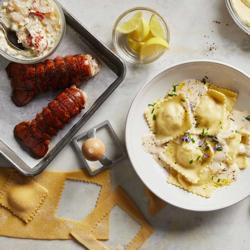
During the cooler months, comfort food has a way of making ordinary evenings feel special. A slow roast browning in the oven, a pot of sauce gently simmering on the stove or a fresh pie cooling near the window can turn cooking into an unhurried ritual. Classes focused on these dishes help cooks understand what makes them satisfying, from layering seasoning and developing color to balancing richness with acidity and using time to build flavor. A Southern staples class may teach the foundations behind crisp chicken, savory sides and tender biscuits; a pasta-focused lesson may cover dough, filled shapes, gnocchi and sauces; a roast and steak class can explain searing, resting and doneness; and a pie class may explore pastry texture along with sweet or savory fillings. These are useful skills well beyond a single menu, giving cooks a foundation for weeknight meals, relaxed weekend dinners and gatherings with family or friends. Before choosing, think about how much preparation you enjoy, whether you prefer a structured class or a more social format, and which dishes you would be excited to make again. It is also worth checking what equipment and ingredients are needed, particularly for online instruction, so the experience begins smoothly. Whether you are learning to shape dough, make a silky sauce, bake a golden crust or bring a hearty main course to the table, a well-chosen cooking class offers practical instruction with the warmth and generosity that define comfort food.