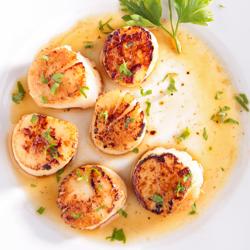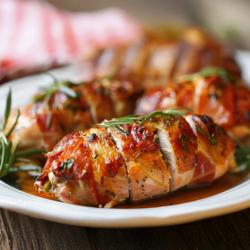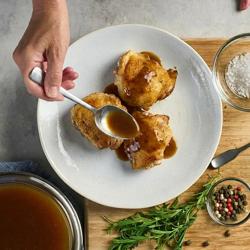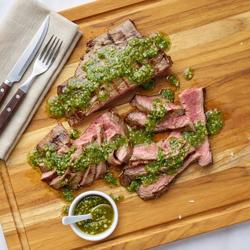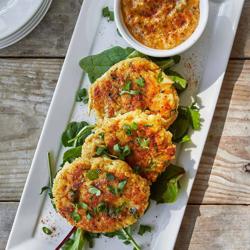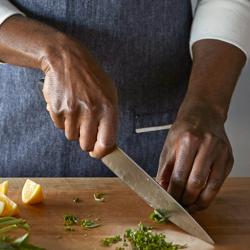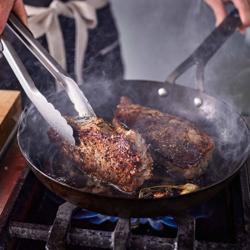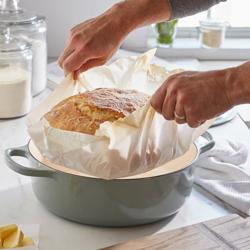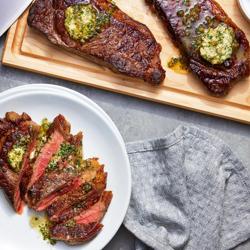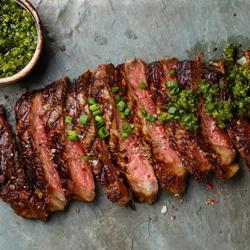
Cooking classes with gourmet wine menus bring together the most satisfying parts of a shared meal: learning useful techniques, working with thoughtfully chosen ingredients and discovering how wine can change the way food tastes. These hands-on experiences typically guide participants through a multi-course menu, from early preparation and knife work to the finishing touches that bring each dish together. Along the way, an instructor may demonstrate methods such as searing, braising, roasting, deglazing and building a balanced pan sauce, while a wine professional explains why a particular pour complements the dish. The result is more than a recipe demonstration. Participants take part in the cooking, taste as they go and sit down together to enjoy the completed meal. When comparing cooking classes with gourmet wine menus, look for the style of instruction that suits your interests and comfort level. Some classes focus on foundational skills that are easy to carry into a home kitchen, while others explore a particular cuisine, seasonal menu or more advanced preparation. It is also helpful to review the class format, length, menu, included beverages and whether the experience is designed for individual guests, couples or groups. A well-planned class gives everyone a meaningful role without making the evening feel rushed, leaving time to ask questions, share observations and enjoy the finished courses.
Wine pairing is often the detail that makes these classes especially memorable. Rather than treating wine as an afterthought, a guided menu shows how acidity, tannins, body, sweetness and fruit character interact with food. A crisp, high-acid wine can brighten a rich cream sauce or balance a fried course, while a fuller red may stand up to braised meats, roasted vegetables or deeply seasoned dishes. Sweeter wines can provide contrast with spicy ingredients, salty cheeses or fruit-forward desserts. Participants may taste the same dish with more than one selection and notice how the flavors shift: a sauce may seem brighter, herbs more pronounced or a savory finish more substantial. These practical comparisons are useful for anyone who enjoys entertaining, hosts dinner often or wants more confidence when choosing a bottle for a meal. Gourmet wine menus can also introduce guests to ingredients and preparations they might not attempt alone, such as handmade pasta, delicate seafood, slow-cooked meats or composed desserts. As the weather warms, lighter courses, fresh produce and chilled pours can create an easygoing setting for celebrating time together. During the cooler months, a menu built around roasting, braising, warming spices and fuller-bodied wines offers a more relaxed, comforting pace. Across the seasons, the best experiences balance instruction with hospitality, making the evening feel both informative and inviting.
A cooking class with wine can be a thoughtful gift for a curious home cook, a couple who enjoys dining out or friends looking for a shared experience instead of another item for the kitchen. It can also suit birthdays, anniversaries, engagement celebrations, milestone gatherings and other occasions where time together matters more than a traditional present. For a gift, consider the recipient’s cooking experience, preferred cuisines and interest in wine before choosing an offering. A beginner may appreciate clear guidance on basic techniques and approachable pairings, while an experienced cook may enjoy a more involved menu with restaurant-inspired methods. Guests who do not drink wine may also value classes that offer nonalcoholic alternatives or place equal emphasis on the food and instruction. For couples or small groups, a class can become an enjoyable evening out; for larger gatherings, it can provide a natural way to connect while working toward a shared meal. Those planning a celebration may also wish to explore
Cooking Classes for Special Occasions With Wine for experiences designed around memorable occasions. Whether selected as a gift or booked for personal enjoyment, these classes offer practical skills that continue long after the final course. Guests leave with new ideas for balancing flavors, greater ease in the kitchen and the memory of a meal prepared and enjoyed together.