
-
Cooking Class Description: Get into the spirit of the season in this class, designed to bring families together, unleash their creativity and craft sweet treats. Our chef instructor will guide you and your little ones in creating three delightful autumnal-inspired...
-
(63)
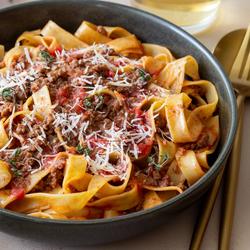
Cooking Class Description: We bring the romance of Tuscany to you! Get cozy with your date as you practice the ins and outs of making pasta dough and cutting pasta by hand. Simmer a ragù sauce starring sausage and Chianti, build a flavorful salad, then...
-
(1)
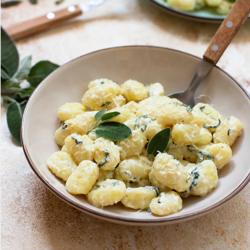
Our gnocchi turned out great! We love the online classes. Please continue to offer them.
-
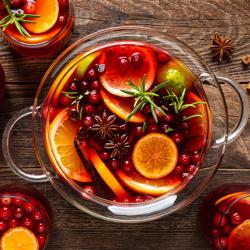
Cooking Class Description: Mix up Thanksgiving cocktails in this mixology-themed class. Our chef instructor will teach you how to make a classic Negroni, a seasonal Harvest Punch and a Cranberry Black Pepper Shrub that’s perfect with or without alcohol....
-
For more information on Private Events, or to schedule your own, please contact your local Sur La Table store, or visit our Private Events page.
Cozy Fall Celebration Ideas
Crisp air, golden leaves, and the comforting aroma of home-cooked meals set the perfect stage for gathering with loved ones. Cozy fall celebration ideas bring warmth to your table, whether you're hosting a festive dinner or planning a casual get-together. Explore inviting ways to create memorable moments, from seasonal recipes to creative décor touches, all designed to make autumn gatherings feel extra special. Let every detail reflect the spirit of the season and inspire connection around delicious food and shared laughter.
Best Of FAQ
Popular cozy fall celebration ideas include hosting a harvest-themed dinner party, organizing a pumpkin carving night, baking seasonal treats with friends, or enjoying a warm beverage tasting event. Cooking classes that focus on autumn flavors and comfort foods are also a great way to celebrate the season.
To create a cozy atmosphere, use warm lighting such as candles or string lights, decorate with autumnal elements like pumpkins and colorful leaves, and serve comforting dishes featuring seasonal ingredients. Playing soft music and offering warm drinks like cider or hot chocolate can also enhance the ambiance.
Dishes that highlight fall produce such as squash, apples, pears, and root vegetables are perfect for autumn gatherings. Think hearty soups, roasted meats, baked goods with spices like cinnamon and nutmeg, and classic comfort foods like pot pies or casseroles.
Absolutely! Cooking classes focused on fall recipes can introduce you to new techniques and seasonal dishes. You'll learn how to prepare crowd-pleasing meals using fresh autumn ingredients, making it easy to impress your guests at any cozy gathering.
Yes! Consider incorporating hands-on activities like group baking sessions, DIY caramel apple stations, or collaborative cooking experiences. These interactive elements not only make your event memorable but also bring guests together in the spirit of the season.




-
"Great food! Great chef"
-
"My husband and I really had a great time. Not only was it a lot of fun, the food was spectacular"
-
"Great food! Great chef"
-
"Great food! Great chef"
-
"went with friends who had been to multiple classes at Sur la Table, and they said this was one of the best"