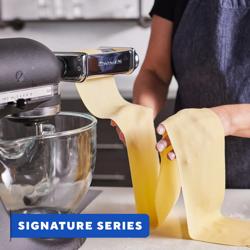
Gifts for aspiring Italian chefs are most useful when they support the way Italian cooking is actually learned: through repetition, good ingredients, and a few well-chosen tools that make simple food taste its best. A thoughtful collection might help a beginner build confidence with fresh pasta, understand regional traditions, or turn a weeknight meal into a relaxed gathering around the table. Cookbooks focused on classic Italian home cooking make especially meaningful gifts because they offer more than a list of recipes. The best ones explain the purpose of each ingredient, the texture to look for, and the small decisions that shape a dish, from when to add garlic to how long a sauce should simmer. They can introduce an aspiring cook to the difference between northern and southern styles, the role of handmade pasta in different regions, and the balance of vegetables, beans, seafood, cured meats, and grains found across Italy. Look for a reference that is practical enough for a first ragù yet detailed enough to remain useful as cooking skills grow. A durable pasta-making tool is another fitting choice for someone who enjoys learning by hand. A manual roller can turn a simple dough of flour and eggs into smooth sheets for lasagna, ribbons for fettuccine, or delicate strands for other pasta shapes. Adjustable thickness settings are helpful for cooks who are still developing a feel for the dough, while a stable clamp and comfortable handle make the process easier during longer prep sessions. Fresh pasta takes a little patience—the dough may feel firm at first, then become silky after resting and kneading—but that hands-on rhythm is part of the pleasure. For someone who likes traditional techniques and shared cooking projects, a pasta tool can become the centerpiece of an afternoon spent rolling, cutting, dusting, and tasting.
Small preparation tools can also make generous gifts, particularly for cooks who are building a kitchen from the basics. A mezzaluna, with its curved blade and rocking motion, is well suited to finely chopping herbs, garlic, leafy greens, and the aromatic vegetables used in a soffritto. It offers a different feel from a standard chef’s knife and can be especially appealing to cooks who enjoy traditional utensils. Since safe handling matters, consider the blade guard, grip, and storage requirements before choosing one. A regional pasta cutter with taut parallel wires brings another distinctive technique to the kitchen, creating square-edged strands associated with a traditional style of pasta. These tools are best for recipients who enjoy discovering the story behind a shape and are willing to practice until the dough is rolled to the right thickness. An olive wood board can serve several purposes at once: a steady surface for shaping dough, a place to rest freshly cut pasta, and a warm presentation piece for bread, cheeses, olives, and vegetables. Olive wood has natural variation in color and grain, so each board has an individual look, and its weight can make it feel substantial without appearing formal. When selecting a wooden board, pay attention to its dimensions, care instructions, and whether it is intended for cutting, serving, or both. Hand-washing, prompt drying, and occasional conditioning with food-safe oil help preserve the surface. These practical details are worth considering when choosing a gift because the right tool should invite regular use, not require complicated maintenance. For an aspiring chef living in a small kitchen, compact pieces that perform more than one job may be especially welcome. For a confident home cook, a more specialized utensil can open the door to a regional recipe or a new weekend project. Browse
Italian Themed Gifts for additional inspiration when the goal is to give something connected to the pleasure of cooking and gathering.
Ingredients can complete a gift for an Italian cooking enthusiast, especially when they are shelf-stable, versatile, and chosen for how they will be used. A well-made extra virgin olive oil can finish a bowl of beans, dress bitter greens, enrich a tomato sauce, or be served with warm bread at the beginning of a meal. Flavor varies by region and harvest, so consider whether the recipient prefers a grassy, peppery oil or one that is softer and more buttery. A smaller bottle may be a thoughtful option for someone who cooks for one or has limited storage, while a larger format suits a household that uses olive oil every day. Aged balsamic vinegar offers a different kind of versatility. Its concentrated sweetness and gentle acidity can add depth to roasted vegetables, risotto, grilled meats, fresh fruit, or a piece of aged cheese. Check the ingredient list and aging information, since texture and flavor can differ widely among vinegars labeled balsamic. Curated pantry assortments are useful for cooks who enjoy assembling a meal from a selection of Italian staples, provided the contents suit the recipient’s habits and dietary needs. Specialty pasta, preserved vegetables, sauces, legumes, salts, and other pantry ingredients can inspire a casual dinner during the warmer season or add comfort to meals shared during the cooler months. When gifting food, shelf life, storage space, allergies, and personal preferences are important considerations; versatile staples are often more appreciated than highly perishable ingredients that need to be used immediately. Together, a few durable tools, a trusted culinary reference, and carefully selected pantry essentials can support the full experience of Italian cooking—from learning a dough’s texture and chopping herbs for a fragrant base to setting out antipasti and finishing a dish with a bright ribbon of olive oil. These gifts suit beginners preparing their first handmade pasta, experienced home cooks exploring regional recipes, and anyone who finds that the most memorable meals begin with time at the counter and end around a well-used table.