-
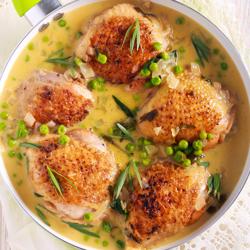
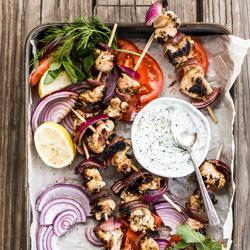
Cooking Class Description: Dreaming of Greek island getaway? Here’s the next best thing. Channel your inner Greek cook and practice grilling chicken kebabs, frying cheese, and mixing tzatziki sauce. We’ll make a Greek-style pilaf with orzo pasta in place...
-
(27)
knew of to skin garlic cloves, each of which never efficiently worked, and learned in this class the best...Fantastic class - great experience with Chefs Erick, Paolo, and Dagny!
Hands-On Greek Cooking Classes
Explore hands-on Greek cooking classes to find a menu you’d like to learn to make. Browse the selection for Greek cuisine that interests you, and review each class description for the dishes and techniques covered before choosing your next cooking experience.
Best Of FAQ
What can I learn in a hands-on Greek cooking class?
Hands-on Greek cooking classes offer a chance to practice Mediterranean cooking techniques, such as working with phyllo dough, preparing herb-filled dishes, and balancing olive oil, lemon, and garlic. The skills covered depend on the class menu.
What dishes might I make in a Greek cooking class?
Menus may feature Greek favorites such as spanakopita, souvlaki, tzatziki, or baklava. Some classes explore mezze, the small dishes often shared at the table, while others focus on a complete Greek-inspired meal. Check the class description for the planned menu.
Are hands-on Greek cooking classes suitable for beginners?
Many Greek cooking classes welcome beginners and guide participants through recipes step by step. They can also give experienced home cooks a chance to explore unfamiliar ingredients and techniques. Look at the class description for any recommended experience.
What ingredients are commonly used in Greek cooking?
Greek cooking often features olive oil, lemon, oregano, dill, garlic, yogurt, and feta. Vegetables, beans, seafood, and meats also play important roles, with ingredients and preparations varying by region and season.
How is a hands-on Greek cooking class different from a demonstration?
In a hands-on class, you take part in preparing dishes rather than only watching an instructor cook. Depending on the class format, you may work with other participants to practice techniques, ask questions, and bring the Greek menu together.

-
"ve all been great. This one was the best, I think! Great recipes, easily made (!), very well taught"
-
"knew of to skin garlic cloves, each of which never efficiently worked, and learned in this class the best"
-
"The food was great and the instructor was friendly and clearly knowledgeable about food"
-
"My sister and I attended this last night and had the best time"
-
"wonderful) but of the details of the class:-instructor was knowledgeable, personable & led a great"