-
(107)
Didn't love being in a group of four working on one meal....We love SLT cooking classes, highly recommend!...Great chef, too many cooks
-
(5)
Cooking Class Description: The perfect Italian meal awaits you in this class! Our expert chef instructor will teach you essential techniques to create Italian favorites. You’ll learn to whisk together a Creamy Polenta and sauté garlic and greens for...
-
Cooking Class Description: Craving Italian sweets? Save yourself the long-haul flight and spend some time in our kitchen creating and indulging in these ultimate desserts. Our chef instructor will teach you to whip up mascarpone for a sweet and creamy...
-
(99)
ve now made three of them for various Christmas parties and people love it!...Great experience
-
(82)
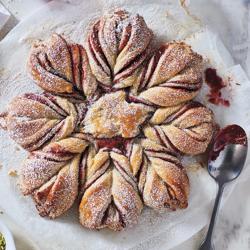
Cooking Class Description: Indulge in the art of homemade breads! In this class, we’ll show you essential bread-baking techniques, from working with yeast and mixing dough to the importance of proofing. You’ll get hands-on practice shaping veggie-packed...
-
(65)
Cooking Class Description: Fall in love with macarons in this three-hour baking class! Our chef instructor will teach you all the tips and tricks for creating two delicious varieties of delicate French macarons. You’ll learn to build your batter and...
-
(63)
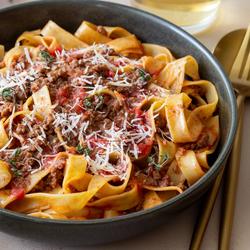
Our Chef was great I'm not making pasta from scratch at home!...One of the best experience I've had in 2023, thank you Chef!
-
(61)
Great class, learned new things that I will be using at home!...Would love some stools or chairs to give the feet a break.
-
(33)
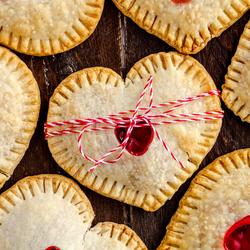
Cooking Class Description: Make this Valentine’s Day extra special by joining us for a fun-filled family afternoon of baking, laughter and plenty of tasty treats. Parents and kids will love working together to create a festive array of tarts, cookies...
-
(17)
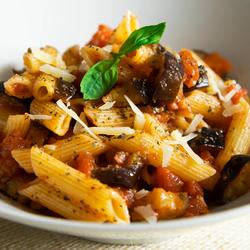
Cooking Class Description: We bring the romance of Sicily to you! Get cozy with your date as you practice the ins and outs of creating a classic pasta dish. You'll simmer a tomato-based sauce starring sautéed eggplant and ricotta salata, build a refreshing...
-
(4)
I love these online classes, tips and tricks from the professionals that really help you to nail it!...Great experience!
-
(2)
Cooking Class Description: Learn to create classic macarons in our latest three-hour baking class! Our chef instructor will teach you the skills and techniques for perfecting two macaron flavors: Toasted Almond and Strawberry. You’ll learn to build your...
-
(1)
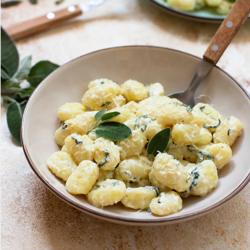
Our gnocchi turned out great! We love the online classes. Please continue to offer them.
-
Cooking Class Description: For more information on Private Events, or to schedule your own, please contact your local Sur La Table store, or visit our Private Events page.
What To Expect: In our classes you'll work together with other students (in groups... -
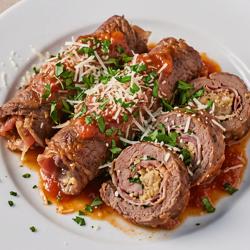
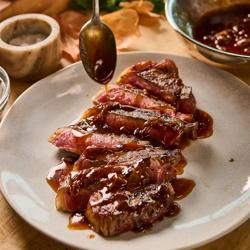
Cooking Class Description: Immerse yourself in the flavors of Tuscany! Our chef instructor will guide you through searing a steak and creating bold Italian sauces to pair with your meal. As you explore the non-pasta side of Italian cuisine, you’ll learn...
-
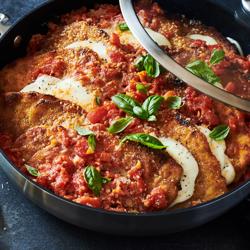
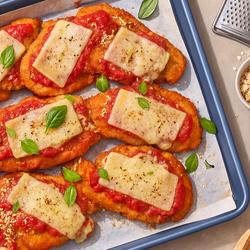
Cooking Class Description: Step into Little Italy for an evening of Italian comfort and connection. You’ll bread and pan-fry perfect Chicken Parmesan, then spin fresh pasta for a creamy, peppery Cacio e Pepe—a Roman favorite whose name translate to simply...
-
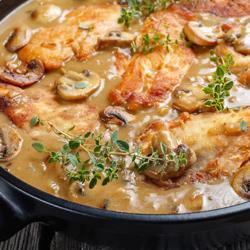
Cooking Class Description: Join us for an unforgettable Date Night class full of timeless Italian dishes. You and your partner will work alongside other couples searing chicken, creating a marsala sauce, whisking together a cheesy polenta and much more....
-
Cooking Class Description: For more information on Private Events, or to schedule your own, please contact your local Sur La Table store, or visit our Private Events page.
What To Expect: In our classes you'll work together with other students (in groups...
Italian Baking Classes
Italian baking classes offer a hands-on way to explore the rich traditions and comforting flavors of Italy’s most beloved baked goods. Whether you’re drawn to rustic breads, delicate pastries, or classic desserts, these classes provide step-by-step instruction in a relaxed, engaging setting. Perfect for all skill levels, italian baking classes invite you to roll up your sleeves and discover new techniques while sharing the joy of baking with others who appreciate good food.
Italian Baking Classes
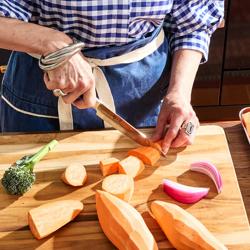
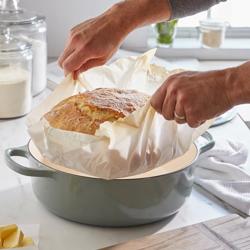
Italian baking classes bring the bread basket, pastry counter, and dessert table into the kitchen, with opportunities to explore the techniques behind familiar favorites and regional specialties. Italy’s baking traditions span olive oil–rich breads, crisp cookies, tender cakes, and pastries whose character depends as much on method as on ingredients. A savory menu might focus on focaccia, with its airy interior and dimpled surface, while a sweet-focused class might explore biscotti or a crostata filled with jam. Each offers a different way to understand dough, texture, and flavor. Depending on the menu, instruction can cover mixing, kneading, resting, shaping, and recognizing when a bake is ready for the oven. For someone who has struggled with a sticky dough or wondered why a loaf turned out dense, seeing the process demonstrated can make written recipe directions much clearer. An instructor can explain what properly developed dough feels like, why fermentation affects both structure and flavor, and how handling changes the finished crumb. Those details matter: a dough that seems too soft at first may need time rather than more flour, and a gently shaped loaf can bake differently from one that has been tightly worked. The value of an Italian baking class is not simply learning a single recipe, but connecting these decisions to results that can be seen, touched, and tasted. Classes centered on bread may also explore how olive oil, flour, yeast, and salt work together, along with the role of resting time and oven heat. That foundation gives beginners a more comfortable starting point and experienced home bakers a chance to revisit habits that have become automatic. Whether the goal is a golden focaccia to serve alongside dinner or a better understanding of yeasted dough, the class setting makes room for observation and questions. Watching how dough stretches without tearing, or noticing the difference between a pale crust and a well-browned one, adds useful context that a photograph alone cannot provide.
The sweeter side of Italian baking offers just as much variety, from cookies meant to accompany coffee to pastries suited to a shared dessert course. A class featuring biscotti can highlight how shaping, slicing, and a second bake create their distinctive crunch, while a tart-focused menu can introduce the balance between a tender crust and a flavorful filling. Other menus may explore enriched doughs, delicate pastry, or the use of ricotta, citrus zest, almonds, and chocolate. These ingredients are familiar, but their proportions and handling can lead to very different textures. A ricotta filling should not be approached like bread dough, and a crisp cookie calls for different doneness cues than a soft-centered cake. Italian baking instruction can help make those distinctions understandable without turning the experience into a technical lecture. Instead of treating every recipe as an unrelated set of directions, participants can begin to recognize patterns: how fat contributes tenderness, how mixing affects structure, and why cooling can be part of achieving the intended finish. For a home baker whose cookies spread unpredictably or whose tart crust turns tough, those connections can be especially useful. There is also a cultural pleasure in discovering that Italian baking is not a single style. Regional traditions reflect different ingredients, local customs, and ways of serving bread and sweets, giving each menu its own character. When comparing Italian baking classes, the menu is a helpful place to start because it reveals whether the emphasis is savory, sweet, or a combination of both. A bread enthusiast may enjoy time spent learning about fermentation and shaping, while someone who loves preparing dessert for friends may gravitate toward pastry or cookies. Choosing a class around a genuine interest makes the instruction easier to connect to everyday cooking, whether that means setting out something homemade with an afternoon espresso or bringing a carefully baked dessert to a dinner gathering.
Italian baking classes can suit a range of people and occasions, including a beginner looking for a first baking experience, a confident cook who rarely makes bread, or two friends who want to spend time doing something together. A baking class can also make a thoughtful experience gift for someone who enjoys learning new kitchen skills, particularly when the menu reflects a favorite food or a technique they have wanted to try. For a birthday outing, a date, or a shared celebration, preparing something together gives the occasion a focus beyond sitting down to a meal. The small moments can be part of the appeal: comparing the shapes of hand-formed dough, noticing the aroma of citrus as zest is added, or seeing a pale pastry develop a golden finish. Families interested in a shared kitchen experience can explore Family Italian Baking Classes and review the class details for the intended ages, menu, and participation requirements. Matching the experience to the people attending matters, especially when younger bakers are involved or participants have different comfort levels in the kitchen. Class descriptions can also help clarify the format and techniques covered, so expectations fit the session. Anyone with a food allergy or dietary restriction should review ingredient information and confirm suitability before choosing a class, since Italian baking often involves wheat, dairy, eggs, or nuts. Beyond the occasion itself, the lasting appeal is a more practiced eye and a better sense of what to notice while baking at home. A familiar recipe can feel more manageable after watching a technique up close, and a new one can feel less intimidating when its underlying methods are recognizable. From a simple bread served at a family meal to cookies shared with friends, Italian baking offers plenty of reasons to keep practicing. A class provides a focused place to begin, build on existing skills, and enjoy the process as much as the finished bake.
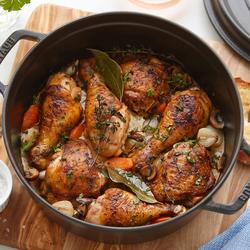
The sweeter side of Italian baking offers just as much variety, from cookies meant to accompany coffee to pastries suited to a shared dessert course. A class featuring biscotti can highlight how shaping, slicing, and a second bake create their distinctive crunch, while a tart-focused menu can introduce the balance between a tender crust and a flavorful filling. Other menus may explore enriched doughs, delicate pastry, or the use of ricotta, citrus zest, almonds, and chocolate. These ingredients are familiar, but their proportions and handling can lead to very different textures. A ricotta filling should not be approached like bread dough, and a crisp cookie calls for different doneness cues than a soft-centered cake. Italian baking instruction can help make those distinctions understandable without turning the experience into a technical lecture. Instead of treating every recipe as an unrelated set of directions, participants can begin to recognize patterns: how fat contributes tenderness, how mixing affects structure, and why cooling can be part of achieving the intended finish. For a home baker whose cookies spread unpredictably or whose tart crust turns tough, those connections can be especially useful. There is also a cultural pleasure in discovering that Italian baking is not a single style. Regional traditions reflect different ingredients, local customs, and ways of serving bread and sweets, giving each menu its own character. When comparing Italian baking classes, the menu is a helpful place to start because it reveals whether the emphasis is savory, sweet, or a combination of both. A bread enthusiast may enjoy time spent learning about fermentation and shaping, while someone who loves preparing dessert for friends may gravitate toward pastry or cookies. Choosing a class around a genuine interest makes the instruction easier to connect to everyday cooking, whether that means setting out something homemade with an afternoon espresso or bringing a carefully baked dessert to a dinner gathering.
Italian baking classes can suit a range of people and occasions, including a beginner looking for a first baking experience, a confident cook who rarely makes bread, or two friends who want to spend time doing something together. A baking class can also make a thoughtful experience gift for someone who enjoys learning new kitchen skills, particularly when the menu reflects a favorite food or a technique they have wanted to try. For a birthday outing, a date, or a shared celebration, preparing something together gives the occasion a focus beyond sitting down to a meal. The small moments can be part of the appeal: comparing the shapes of hand-formed dough, noticing the aroma of citrus as zest is added, or seeing a pale pastry develop a golden finish. Families interested in a shared kitchen experience can explore Family Italian Baking Classes and review the class details for the intended ages, menu, and participation requirements. Matching the experience to the people attending matters, especially when younger bakers are involved or participants have different comfort levels in the kitchen. Class descriptions can also help clarify the format and techniques covered, so expectations fit the session. Anyone with a food allergy or dietary restriction should review ingredient information and confirm suitability before choosing a class, since Italian baking often involves wheat, dairy, eggs, or nuts. Beyond the occasion itself, the lasting appeal is a more practiced eye and a better sense of what to notice while baking at home. A familiar recipe can feel more manageable after watching a technique up close, and a new one can feel less intimidating when its underlying methods are recognizable. From a simple bread served at a family meal to cookies shared with friends, Italian baking offers plenty of reasons to keep practicing. A class provides a focused place to begin, build on existing skills, and enjoy the process as much as the finished bake.

Related Pages
-
"This was a great class, and loved having pie at my Thanksgiving dinner"
-
"ve now made three of them for various Christmas parties and people love it"
-
"Didn't love being in a group of four working on one meal"
-
"Great food! Great chef"
-
"Great food! Great chef"