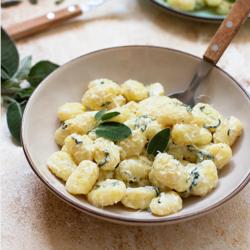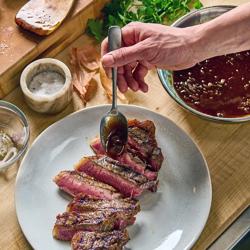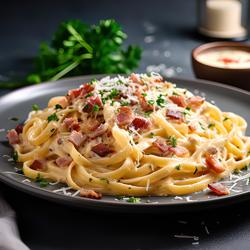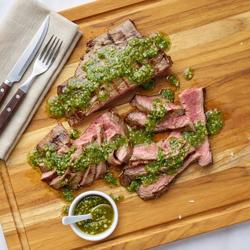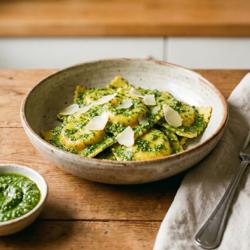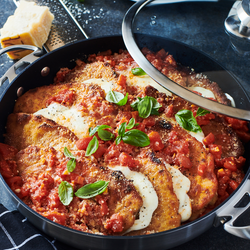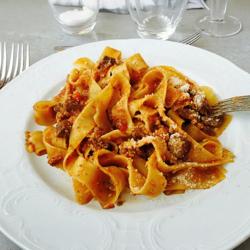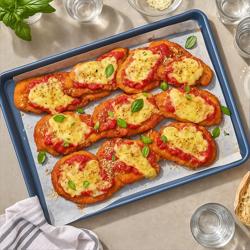
Italian cooking classes with interactive lessons bring the energy of a shared kitchen into the learning experience. Instead of simply watching a demonstration, participants follow along with a chef, prepare each dish step by step, and get guidance as they work. A live format makes a noticeable difference when the dough feels too dry, the sauce needs more seasoning, or a recipe moves faster than expected. Questions can be answered in real time, and small adjustments can be made before a minor mistake changes the finished dish. Depending on the class, the experience may take place in a hands-on studio or online from a home kitchen, making it easy to choose a format that fits a schedule, comfort level, and preferred style of learning. An in-person class can offer the pleasure of cooking beside other food lovers and sitting down together for a full meal, while a virtual lesson allows participants to learn from a familiar space with their own cookware and ingredients close at hand. For anyone comparing options, look for clear information about the skill level, class length, preparation requirements, ingredient list, and whether the lesson includes time for questions. It is also helpful to consider whether the class focuses on one signature dish or offers a broader look at Italian cooking, from handmade pasta and regional sauces to filled pasta, risotto, seafood, vegetables, and dessert. A well-structured class should make the process feel approachable without losing the details that give Italian food its character: proper seasoning, careful timing, quality ingredients, and respect for simple techniques. Browse
Italian Cooking Classes to find interactive lessons suited to different interests and levels of experience.
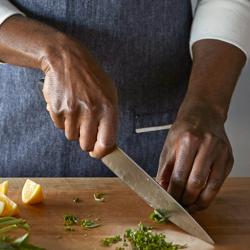
Fresh pasta is often the memorable starting point for an Italian cooking lesson because the ingredients are modest, yet the technique is wonderfully hands-on. Working flour and eggs into a dough, kneading until it becomes smooth, and rolling it thin enough to catch the light can turn an ordinary afternoon into a lasting kitchen memory. A chef can show how the dough should feel beneath the fingertips, when it needs a little more moisture, and how to shape it without rushing. The same practical guidance applies to other classic preparations. Participants may learn how olive oil and aromatics form the foundation of a sauce, how to build flavor gradually, how to season pasta water, or how to finish a dish so the sauce clings rather than pools at the bottom of the bowl. Interactive lessons are especially useful for these details because they are difficult to understand from written directions alone. Seeing the movement of a knife, the texture of a properly kneaded dough, or the gentle simmer of a sauce gives home cooks a reference point they can return to later. When choosing among classes, consider the kind of cooking you enjoy most and the experience you want to bring home. A beginner may appreciate a slower lesson centered on essential skills, while a more experienced cook may prefer regional recipes, advanced pasta shapes, or a menu that requires thoughtful coordination. Classes that provide recipes or preparation notes afterward can also help participants repeat the dishes during the cooler months, when a bowl of silky pasta, a bubbling baked dish, or a long-simmered sauce feels especially welcome. These lessons are not limited to aspiring chefs; they are well suited to couples, families with older children, groups of friends, and solo cooks who enjoy learning in good company.
An interactive Italian cooking class can also make a thoughtful gift for someone who values experiences as much as things. It suits the friend who keeps a jar of homemade sauce in the refrigerator, the relative who dreams of traveling through Italy by way of its regional dishes, or the host who turns every gathering into a generous meal. For a gift recipient, consider whether an online format would provide welcome flexibility or whether an in-person workshop would make the occasion feel more special. Some people enjoy gathering ingredients in advance and setting the table before a scheduled virtual lesson; others prefer arriving at a studio with everything prepared and meeting fellow cooks face to face. Either way, the best experience leaves room for participation rather than passive viewing. A comfortable workspace, a reliable way to follow the chef’s instructions, and enough time to finish without feeling hurried can make the lesson more enjoyable. If cooking along at home, read the preparation notes carefully, measure ingredients before the class begins, and keep a clean towel, a sharp knife, and a little extra flour nearby. During the warmer part of the year, lighter pasta dishes, seasonal vegetables, and herb-forward sauces can make an appealing menu; as the weather cools, richer ragùs, filled pasta, and baked favorites invite a slower pace around the table. The lasting value of these classes is practical as well as social: participants gain techniques they can use again, confidence to adjust recipes thoughtfully, and the pleasure of sharing food made by their own hands. For cooks at any level, Italian cooking classes with interactive lessons offer a welcoming way to learn, connect, and bring the warmth of an Italian kitchen into everyday meals.