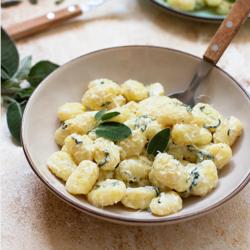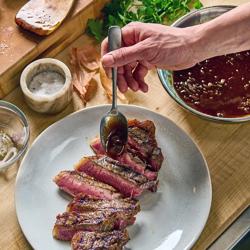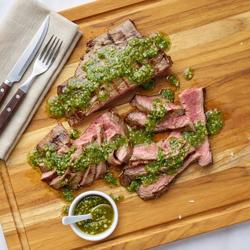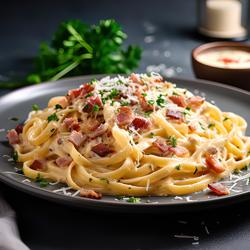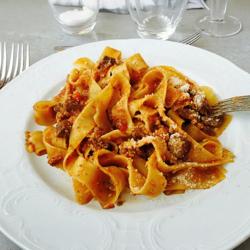
Italian cooking technique classes are a practical way to build confidence with the methods that give Italian food its distinctive character: careful preparation, well-timed cooking, and a thoughtful balance of simple ingredients. Rather than focusing only on completing a recipe, these classes help cooks understand what to look for at each stage, from the feel of a properly kneaded dough to the glossy texture of a sauce finished with pasta water. Many classes begin with fresh pasta, where flour and eggs are mixed, kneaded, rested, rolled, and shaped by hand. Students may practice creating thin sheets for tagliatelle, filled pasta, or other traditional forms while learning how dough changes with humidity, pressure, and rest time. Sauce instruction often covers the fundamentals of roasting tomatoes, building a slow-simmered ragù, and using pan juices, butter, olive oil, cheese, or starchy cooking water to create a cohesive finish. These are useful skills for beginners who want a clear starting point and for experienced home cooks who are ready to refine their timing. When comparing class offerings, consider the technique you most want to learn, the amount of hands-on practice included, the level of instructor feedback, and whether ingredients and equipment are provided. A class devoted to one core skill can be especially rewarding because it leaves room to repeat each movement until it feels natural, while a broader Italian cooking class can offer a helpful tour of pasta, sauces, vegetables, seafood, meat, and dessert techniques.
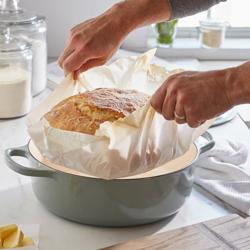
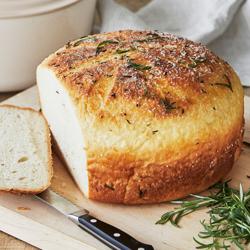
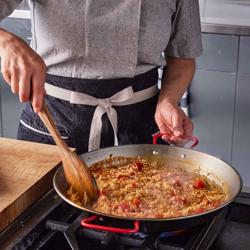
Risotto and dough-based cooking offer another window into the rhythm of Italian cuisine. A risotto class typically emphasizes the small decisions that shape the final dish: warming the cooking liquid, toasting the rice before adding broth, maintaining steady heat, and adding liquid gradually while stirring often enough to release starch without making the grains heavy. The finished rice should be creamy and flowing, with grains that remain pleasantly distinct. These lessons can be useful well beyond one recipe because they teach cooks to read texture, adjust heat, and trust timing rather than rely on a fixed number of minutes. Baking classes may focus on focaccia, pizza, or regional breads, introducing fermentation, hydration, shaping, proofing, and the effect of oven temperature on crust and crumb. A strong class explains not only what to do, but why a dough needs more time, why a surface may require additional flour or oil, and how to recognize when the dough is ready to bake. In-person workshops offer the advantage of direct guidance: an instructor can demonstrate pressure for kneading, correct a shaping technique, or point out the sound and appearance of properly toasted rice. Online formats can be a convenient choice for cooks who prefer to learn in their own kitchen, pause a lesson during preparation, and revisit foundational techniques at their own pace. For cooks interested in a contemporary approach while still practicing the essentials of Italian food,
Modern Italian Cooking Classes can provide an engaging place to continue developing those skills.
Italian cooking technique classes can suit a wide range of learners and make a thoughtful gift for someone who enjoys gathering people around the table. They are a natural fit for a first-time cook who wants more confidence, a pasta enthusiast ready to work with fresh dough, a busy home chef looking for better weeknight sauces, or a couple who would enjoy learning side by side. They can also be a meaningful choice for a host, newlywed, recent graduate, or family member who appreciates an experience that continues long after the class ends. During the cooler months, lessons in handmade pasta, hearty sauces, risotto, and warm breads have an especially inviting feel, turning an ordinary evening into time spent around a work surface dusted with flour and a pot gently simmering on the stove. When selecting a class as a gift or for personal use, think about the recipient’s cooking experience, preferred format, schedule, and kitchen interests. A beginner may benefit from a structured introduction to essential techniques, while a more practiced cook may enjoy regional specialties, filled pasta, naturally leavened dough, or the finer points of sauce emulsification. It is also worth checking whether the class is designed for solo participation, pairs, or groups, and whether any preparation is expected beforehand. The best Italian cooking technique classes leave students with more than a finished meal: they offer repeatable methods, a better sense of timing, and the confidence to improvise with seasonal ingredients. With practice, a handful of reliable techniques can become the foundation for relaxed dinners, generous weekend cooking, and meals that bring the warmth and hospitality of Italian cuisine into any home.