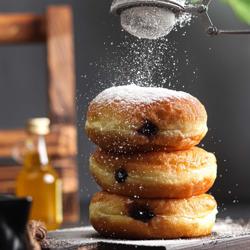
Italian festive dessert classes bring the warmth of an Italian bakery into the home, combining time-honored recipes with practical baking skills you can use long after the class ends. The recommended tools and kitchen essentials on this page are designed for cooks who want to take part in that experience, whether they are preparing for a holiday gathering, building confidence with yeasted dough, or looking for a thoughtful gift for someone who enjoys baking. Italian sweets often reward patience and attention to texture: panettone depends on a lofty, tender crumb and careful proofing, while panforte has a wonderfully dense bite built from dried fruit, nuts, spices and honey. Delicate cookies such as ricciarelli, befanini and layered rainbow cookies bring their own techniques, from working with almond-based dough to creating even layers and clean slices. When choosing items to use alongside an Italian festive dessert class, consider the kind of baking involved. A sturdy mixing bowl, accurate measuring tools, a reliable whisk, flexible spatulas and a well-prepared baking surface are useful for nearly every lesson. Bakers working with enriched dough may also appreciate equipment that makes kneading, mixing and proofing easier, while those exploring pastries and creams will benefit from tools that support precise piping, folding and portioning. The best choices are not necessarily the most complicated; dependable, easy-to-clean essentials often make the difference between a relaxed afternoon of baking and a cluttered, frustrating one.
These classes can take several forms, making it easier to find an experience that suits the baker, schedule and kitchen. Hands-on local workshops offer the energy of a shared table, where instructors can demonstrate shaping, mixing and finishing techniques while students practice them with guidance close at hand. Virtual Italian dessert classes let home cooks work at their own pace and use the equipment already in their kitchen, which can be especially helpful for anyone who prefers a quieter setting or wants to invite friends and family to bake together from different homes. More immersive culinary programs may focus on the regional traditions behind the recipes, connecting desserts with the landscapes, ingredients and celebrations that shaped them. A well-rounded Italian festive dessert class may cover holiday breads and cakes, classic pastries and creams, or traditional cookies, and each category calls for a slightly different approach. Panettone and other festive breads require planning around rising times, dough temperature and gentle handling. Panforte is more forgiving in shape but calls for careful balancing of sweetness, spice and texture. Choux pastry teaches cooks to recognize when dough is properly cooked before eggs are added, while zabaione and mascarpone fillings develop an understanding of temperature, whisking and consistency. Cookie-focused sessions are often a welcoming place for newer bakers, yet they still offer plenty of detail for experienced cooks who want to refine rolling, piping, layering or decorating. Before selecting accompanying items, think about storage space, the number of people who will bake and whether the class calls for everyday tools or more specialized equipment. A baker in a small apartment may value compact, multipurpose pieces, while a frequent host may prefer larger-capacity essentials that can handle several batches for a festive table.
Italian festive dessert classes also make memorable gifts because they offer more than a finished sweet: they create an experience, a new skill and an excuse to gather. A class paired with practical baking essentials can suit a first-time baker, a seasoned home cook, a newlywed couple, a family preparing traditional recipes together or a friend who loves exploring regional foodways. For a host, tools that simplify mixing, shaping, decorating and serving can help turn a baking session into an inviting occasion, especially during the cooler months when the kitchen naturally becomes a gathering place. For a student attending a virtual class, consider how the items will support preparation before the lesson and cleanup afterward; easy-to-handle utensils, dependable bakeware and organized storage can make the entire process feel more approachable. Those joining an in-person workshop may prefer a gift that extends the class into their own kitchen, helping them recreate a fragrant, fruit-filled bread, a spiced Tuscan-style cake or a tray of colorful cookies for friends and family. The same considerations apply when planning a group experience. Shared classes work well for birthdays, team celebrations, family get-togethers and seasonal entertaining, and
Group Italian Dessert Classes can give everyone a chance to learn, contribute and enjoy the results together. Look for items that match the baker’s habits, available workspace and preferred level of involvement rather than choosing solely for appearance. With the right foundation, an Italian dessert class becomes less about producing a picture-perfect confection and more about learning the small, satisfying details: the feel of properly mixed dough, the aroma of citrus and spice, the shine of a smooth filling and the pleasure of setting a homemade dessert at the center of the table.