Italian Fettuccine Making Classes
Italian fettuccine-making classes bring the craft of fresh pasta into focus, from the first mound of flour to the final ribbons twirled through sauce. The recommended cooking tools and accessories on this page are selected to support each stage of that process, whether you are preparing for a hands-on class or building a more capable pasta setup at home. Traditional dough begins with flour and eggs, often using finely milled 00 flour for a smooth, tender texture. Many cooks use the fontana, or well, method: flour is arranged on a work surface with a hollow center, eggs are added to the middle, and a fork gradually draws the flour inward until a shaggy dough forms. A bowl can also make the mixing process more contained and approachable, especially for beginners. From there, kneading develops the dough’s elasticity. It should feel supple and cohesive rather than sticky, with enough gluten strength to hold together as it is rolled thin. A sturdy work surface, a dough scraper, and a reliable rolling or cutting setup can make this stage easier to manage while keeping the process tactile and rewarding. Italian fettuccine-making classes typically guide students through mixing, kneading, resting, rolling, and cutting, giving each technique a clear purpose. The dough often needs time to rest under a cover before rolling so the gluten can relax; this helps prevent it from springing back and makes it easier to achieve an even sheet. During a class, cooks learn to judge texture by feel, notice when the dough is too dry or too soft, and adjust gradually with small amounts of flour or moisture. Those practical details are especially useful when choosing kitchen supplies, since the best tools are the ones that feel comfortable in your hands and fit naturally into your available workspace.
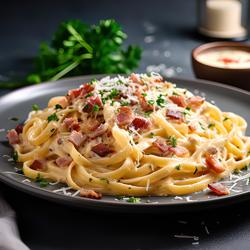
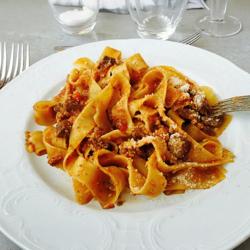
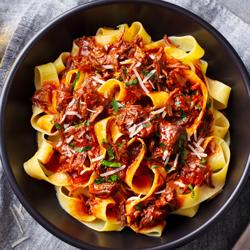
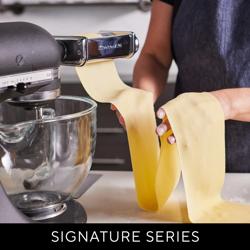
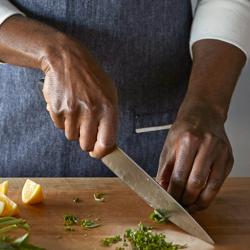
Rolling fresh pasta is a lesson in patience and precision. Dough can be flattened by hand with a rolling pin or passed through a pasta roller in progressively thinner settings, folding and turning it as needed to create an even sheet. The finished thickness depends on personal preference and the sauce, but fettuccine generally works best when it is thin enough to cook quickly while remaining substantial enough to carry a rich coating. Once rolled, the sheet is lightly dusted to prevent sticking, allowed to dry briefly if needed, and cut into broad, even ribbons. A sharp kitchen knife can create a rustic, hand-cut shape, while a dedicated cutting attachment or cutter produces consistent strands from one batch to the next. Classes often include guidance on portioning, loosening the cut pasta, and arranging it so the ribbons do not clump. These details make a meaningful difference when cooking for a group, preparing a meal in advance, or repeating the recipe at home. Fresh fettuccine cooks much faster than dried pasta, so it helps to have a pot of well-salted water ready and a sauce close at hand before the noodles go in. Classic pairings include Alfredo-style sauces, whose creaminess clings to the broad ribbons, and slow-cooked Bolognese, which settles into the folds of the pasta. Simple butter-and-cheese sauces, herb sauces, and seasonal vegetable preparations also let the texture of the fresh noodles take center stage. For cooks who enjoy learning by doing, [Summer Fettuccini Cooking Classes](https://www.surlatable.com/o?c=culinary-classes-summer-fettuccini-cooking-classes) offer another way to explore the same foundational skills in a guided setting. When comparing products connected with Italian fettuccine-making classes, consider how often they will be used, how much counter or storage space is available, and whether the cook prefers hands-on methods or efficient, repeatable results. Easy-to-clean surfaces, comfortable handles, stable bases, and clear measurements are small features that become valuable over time.
Pasta-making supplies can be a thoughtful gift for a new cook, a seasoned host, or anyone who enjoys turning dinner into an experience. They are especially well suited to couples, families, and friends who like to cook together, since mixing, rolling, cutting, and saucing create natural tasks for more than one person. A class paired with useful kitchen essentials can introduce a beginner to fresh pasta without making the process feel intimidating, while an experienced home cook may appreciate tools that help refine consistency and presentation. During the cooler months, a batch of handmade fettuccine can become the centerpiece of a relaxed evening, with flour on the counter, a pot gently simmering nearby, and everyone gathered around the table as the pasta is tossed with sauce. The same supplies can support everyday meals, celebratory dinners, cooking practice, and family traditions that grow with each use. Before purchasing, think about the recipient’s cooking habits: someone who makes pasta occasionally may prefer versatile tools that serve several purposes, while a dedicated pasta enthusiast may value equipment designed for repeated rolling and cutting. It is also worth considering whether the cook has room for larger equipment, prefers manual control, or would benefit from a more streamlined approach. Whatever the setup, successful fettuccine depends less on having a complicated kitchen than on understanding the dough and working with care. Fresh eggs, well-measured flour, steady kneading, a proper rest, even rolling, and a clean cut are the essential steps. Recommended products can make those steps more comfortable and dependable, helping cooks move from an Italian fettuccine-making class to confident homemade meals with ribbons that are tender, springy, and ready to carry the sauce from plate to plate.