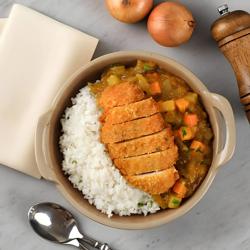
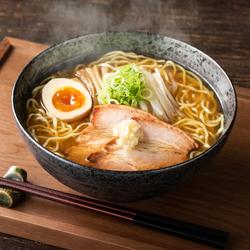
Japanese comfort food cooking classes focus on the dishes people in Japan turn to for familiar, satisfying meals, from a bowl of rice and miso soup to crisp-bottomed gyoza or a generous helping of Japanese curry. What counts as comfort food varies by household and region. It can be as simple as onigiri, rice balls shaped by hand and sometimes tucked around a savory filling, or as hearty as a bowl of ramen with broth, noodles, and toppings that each bring something different to the bowl. A homestyle menu might pair rice and soup with a few small dishes, such as spinach dressed with ground sesame or tamagoyaki, a rolled omelet made by cooking and folding thin layers of egg. The appeal of that kind of meal is easy to see once it’s on the table: a bite of gently seasoned rice gives the toasted sesame in the spinach more room to stand out, while the soup ties everything together. Other menus may center on one main dish, leaving more time to get to know its components. Japanese curry, for instance, has a thick, mellow sauce that settles into the rice and is a familiar example of yōshoku, the Japanese style of cooking that grew out of adaptations of Western dishes. A class built around karaage, Japanese fried chicken, might instead focus on getting a light, crisp coating while keeping the chicken juicy. These are different approaches to a comforting meal, and the menu is the best clue to the experience: making several dishes gives you a feel for how a Japanese home meal comes together, while a class centered on a single dish gives you more time to practice the steps that make it work. Both approaches can help you recognize the flavors and textures you enjoy and give you a dish to come back to when you’re deciding what to cook at home.
In a hands-on Japanese cooking class, some of the most useful lessons are the small details that are hard to pick up from a recipe alone. At a gyoza station, an instructor can show you how much filling fits in a wrapper without getting in the way of the seal. You can try a few pleats, find a fold that feels comfortable, and see how the same pan can give the dumplings tender wrappers and golden undersides. The neatest dumpling in the batch isn’t necessarily the one that teaches you the most. A wrapper that opens in the pan makes it easier to see why leaving a clean edge around the filling matters. In a class centered on ramen, the useful moment might come when you taste a spoonful of plain broth and then taste it again with tare, the concentrated seasoning that gives the bowl much of its character. A rice-and-soup menu may introduce dashi, a stock that can be made with ingredients such as kombu, dried kelp, and bonito flakes. Tasting dashi before adding miso helps you notice the stock’s own savory flavor and understand what the miso adds. An omelet lesson offers a different kind of practice: seeing when the surface of the egg is set enough to roll, but still soft enough for the next layer to join it. Depending on the menu, you may practice knife work, get a feel for managing heat, or learn how to time a few dishes so they’re ready to serve together. That last skill is particularly handy if cooking several things at once tends to leave you standing at the stove while everyone else is ready to eat. Seeing which dish can wait and which needs your attention at the last minute can make the whole meal feel much more manageable the next time you make it.
Japanese comfort food cooking classes can suit beginners who want to try an unfamiliar technique with someone nearby to help, as well as confident home cooks who already make a favorite dish and want to get a better feel for its seasoning or texture. If restaurant ramen is what first drew you to Japanese cooking, a noodle-focused class gives you a closer look at how the bowl is put together. If the goal is to bring something new to the weeknight table, a homestyle menu with rice, soup, and a side dish may give you more ideas you can use separately. For a date night, folding dumplings side by side gives both people a part in making dinner, even if one usually does most of the cooking. A birthday outing with friends can be a chance to learn something together and compare notes as you taste the results. A class can also make a thoughtful experience gift for someone who likes trying new dishes or has talked about learning to make a favorite Japanese meal. When choosing for someone else, start with what they like to eat, then look at what the class asks them to do. A dumpling session may be a good fit for someone who likes working with their hands, while a meal with several components may appeal to someone who enjoys bringing different flavors together at the table. If you’re choosing around a dietary need, read the menu closely and ask about ingredients or substitutions before booking. A dish that looks vegetable-based may rely on a fish-based stock or seasoning. For a broader look at familiar dishes and home cooking traditions across Asia, explore
Cooking Classes For Asian Comfort Food. Whether the draw is a favorite bowl of noodles or a technique you’ve never tried, a good starting point is a menu with at least one dish you’d be happy to make again.