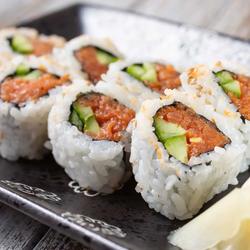
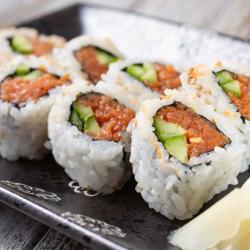
Japanese cooking classes for adults offer hands-on practice with techniques such as seasoning sushi rice, rolling maki, preparing dashi, and making the thin, even cuts that help vegetables cook at the same rate. An adults-only class can be a first cooking lesson, a date night, or a chance for a confident home cook to get better at one particular skill. In a sushi-making class, for example, the work starts well before the rolling mat comes out. An instructor might show how to fold a vinegar seasoning into short-grain rice without mashing the grains, then demonstrate how thinly to spread the rice over a sheet of nori. That last detail is easier to see at the counter than in a recipe. A thick layer of rice or a few too many strips of cucumber can make a roll hard to close, even when the rolling motion is right. Watching a demonstration and then making a roll by hand gives participants a chance to feel how much pressure holds it together without squeezing the filling out the ends. Slicing the roll is another small lesson: a clean, lightly dampened blade can cut through sticky rice with less pulling and leave a tidy cross-section. Some menus may focus on maki, while others may introduce a hand roll or another style of sushi. Fish is only one possibility. A vegetable roll can be just as useful for learning how to balance the tender rice with the snap of cucumber or the creaminess of avocado. For adults who have ordered sushi plenty of times but never made it, that first roll makes it easy to see how the separate steps fit together. For someone who has tried it at home and ended up with rice stuck to everything, a little feedback while rolling can make the next attempt much less frustrating.
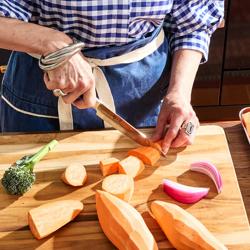
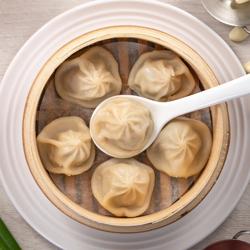
Adult Japanese cooking classes can also explore dishes and techniques beyond sushi. A class centered on dashi might introduce a classic Japanese stock made with kombu, a type of kelp, and katsuobushi, dried bonito flakes. Tasting the stock on its own before it goes into a soup helps explain what it contributes: a savory depth that comes through even in a clear, light broth. Tasting again after miso is stirred in makes it easier to separate the flavor of the stock from the saltiness and aroma of the miso. A menu built around gyoza offers a different kind of practice. The first dumpling may hold a bit too much filling, but folding several in a row helps participants see how much room to leave at the edge to pinch it shut. At the stove, the same batch can show how pan-frying browns the bottoms, a short spell under the lid steams the tops, and a final minute uncovered lets the bottoms crisp again. A tempura-focused lesson might instead show how a light coating lets the shape and flavor of a vegetable come through. Knife practice can tie several dishes together. Cutting scallions for a garnish calls for a lighter touch than slicing a firm carrot, and seeing both cuts demonstrated helps explain why hand position and the motion of the blade matter. The class menu is a useful clue to where that practice will happen. A session built around a single technique leaves room for repetition, while a menu with several dishes can show how to time the work so that the rice, soup, and main dish are all ready to eat together. Both can give a home cook something to use again, whether it’s a better way to fold dumplings or a clearer sense of how to taste and season a broth.
A Japanese cooking class for adults can fit a birthday, an anniversary, a get-together with friends, or an evening out on your own. Friends who usually meet over dinner get a different way to spend time together: there’s something to talk about while slicing vegetables, and something to laugh about when the first few dumplings come out in different shapes. For a date night, a menu with a few separate tasks gives each person a turn at a skill, whether that means seasoning the rice or doing the rolling. Coming solo can be just as comfortable, especially when there’s a technique you’ve wanted to try and would rather learn with someone there to demonstrate it. A class can also make a thoughtful gift for an adult who often cooks for other people and would enjoy an evening at the counter without having to plan the whole meal. When comparing classes, look at what participants will make and which steps they’ll do themselves. A first-timer may enjoy a session that starts with rice and a basic roll, while someone who already makes sushi at home may be more interested in a class that spends time on knife skills or introduces another part of Japanese cooking. If a dietary need matters, check the menu and class details rather than relying on a dish name alone; for example, a soup with tofu and vegetables can still contain fish-based dashi. For a group with wider interests,
Asian Cooking Classes For Adults offers a broader look at classes centered on other cuisines and techniques. A good fit is often the menu that gives everyone something they’re curious enough to try again at home, even if that’s just a bowl of miso soup or a batch of gyoza to share.