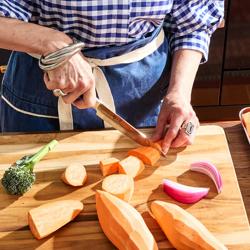
Japanese cooking classes for corporate events give coworkers and clients something to do together from the moment they step into the kitchen. Instead of making conversation across a conference table, guests might stand side by side learning how much pressure to use on a bamboo sushi mat or comparing the broths they’ve just seasoned. A chef instructor can demonstrate a technique, then give participants time to try it at their stations. That rhythm works well for groups with a mix of cooking experience. A beginner can start by shaping rice or arranging fillings, while someone who cooks often can pay closer attention to knife cuts or how a dish is seasoned. In a sushi rolling class, for instance, one person might spread the rice, another line up the fillings, and a third slice the finished roll before everyone trades jobs. The first roll might come out a little loose, but that makes the instructor’s tip about tucking in the filling all the more useful on the second try. A hands-on format gives new hires a reason to talk with coworkers they haven’t met and lets people from different departments work together without a formal team-building exercise. It also makes for a relaxed client event: guests can talk while they prep ingredients, pause to watch a demonstration, and pick up the conversation again as they sit down to taste what they made. For a team that spends most of its time on video calls, even a simple task like getting several dishes ready to serve together can feel like a welcome change of pace. The best part for some guests may be learning something they can do again at home, like using damp hands to keep seasoned rice from sticking or cutting vegetables evenly so they cook at the same rate.
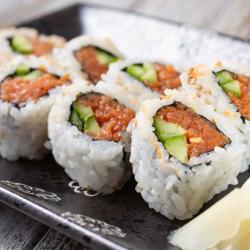
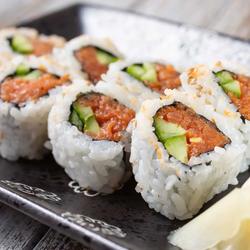
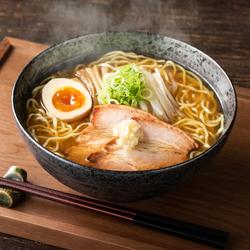
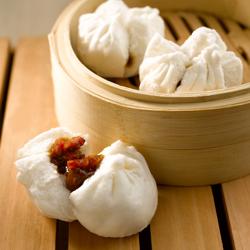
The menu sets the pace for a Japanese cooking class. Sushi is a good fit for groups that want everyone to get several tries at the same technique. It’s easy to see how a thinner layer of rice or a little less filling can make a roll easier to close and slice. Sushi doesn’t have to mean raw fish, either: rolls can be made with ingredients such as cucumber, avocado, or cooked seafood, depending on the menu. A ramen class gives participants a different way to work together. While one pair gets the toppings ready, another might tend the noodles or taste how a concentrated seasoning base changes the broth. Timing matters when the bowls come together: once the noodles are cooked, it helps to have the broth hot and the toppings ready so everyone can eat while the noodles are still springy. A dumpling class offers plenty of room for conversation as people compare pleats and get a feel for how much filling a wrapper can hold. With tempura, the lesson may be in what not to do: stirring the batter too much can make the coating heavier, so a few lumps are often a good sign. These menus can also introduce ingredients and techniques that carry over to everyday cooking. Tasting dashi, a stock used in many Japanese dishes, is one way to understand umami before learning how the stock is used in a soup or sauce. A stock made with kombu and dried bonito flakes tastes different from one made with kombu and dried shiitake mushrooms, and that distinction matters when considering dietary needs. It’s worth sharing allergies and dietary restrictions in advance rather than relying on the name of a dish. A bowl that looks vegetarian can contain fish-based stock, and soy sauce may contain wheat. Guests can spend more time enjoying the class when those details are clear before anyone starts cooking.
A Japanese cooking class can be the main event for a staff appreciation outing, a project milestone, or an office party. It can also anchor the social part of a company retreat, when the group has spent much of the day in meetings and would rather do something together than listen to another presentation. The occasion can help narrow down the format. For a small client gathering, a menu with several shared tasks gives guests time to talk without asking any one person to lead the table. For a department outing, working in smaller groups on the same dish can make it easier for everyone to take a turn instead of watching the most confident cook do the prep. Group size is a useful starting point, but so is the amount of time guests will actually spend cooking. A demonstration with a tasting lets everyone see how a dish comes together; a hands-on class gives people the chance to feel when dough needs more kneading or see how a dumpling browns before it’s ready to steam. It’s also worth looking at how the cooking and dining portions fit together. When the event is meant to include dinner, time to sit and eat matters just as much as time at the stove. For some guests, that’s when the conversation comes most easily: after the bowls are filled, the aprons come off, and someone mentions the trick that finally kept the dumplings from sticking. For gatherings outside work,
Japanese Cooking Classes for Special Occasions bring that same cook-and-share experience to birthdays, anniversaries, and other celebrations. In a workplace setting, the appeal is that no one needs to arrive with much in common beyond an interest in the meal. By the time everyone sits down, there’s already something to talk about: the roll that held together on the first try, the broth that surprised the table, or the technique someone plans to try the next time they cook dinner.