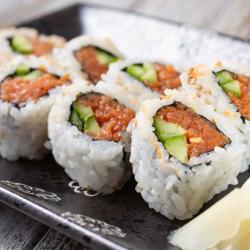
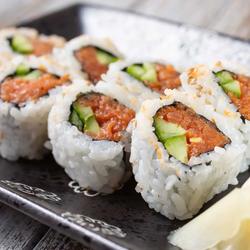
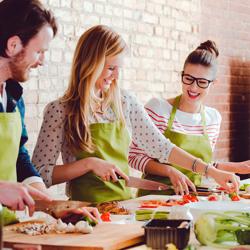
Japanese cooking classes make memorable experiential gifts for people who would rather spend time making something than unwrap another present. A hands-on class gives the recipient a chance to learn from an instructor, work with familiar or new-to-them ingredients, and see how small changes in technique affect the finished dish. That might mean learning to make sushi with a partner, folding dumplings with a friend, or taking a class solo to get more comfortable with Japanese home cooking. In a sushi-making class, for example, much of the work happens before the first roll takes shape. Seasoning the rice evenly and spreading it gently over the nori can make as much difference as getting the roll tight enough to hold together. Someone who’s never used a bamboo mat can see how an instructor positions their hands, then try the motion for themselves. It’s the kind of detail that’s easy to miss in a video: a light touch keeps the rice from packing down, and a narrow line of filling leaves enough room for the edges to meet. There’s room for a lopsided first roll, too. Cutting into it gives the cook a chance to see where the filling shifted and try a small adjustment on the next one. For a couple who orders sushi on date night, making it side by side offers a different way to spend time over a favorite meal. For a friend who usually cooks by feel, it offers a chance to compare textures and figure out what makes a bite work. The part that sticks may be the moment the second roll holds its shape or the first bite where the cook can taste the difference in the rice. Either way, it’s a gift that gives someone a story to tell at dinner and a skill to try again in their own kitchen.
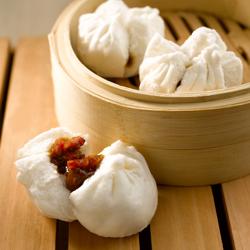
Japanese cooking classes can go well beyond sushi. A class focused on Japanese home cooking might introduce dashi, a savory stock that forms the base of many soups and simmered dishes. Tasting a dashi made with kombu and bonito flakes before adding miso helps explain how a clear, light broth can have such a deep savory flavor. It also gives a cook a point of reference for seasoning at home: the broth already brings something to the bowl, so the miso doesn’t have to do all the work. In a class that includes tamagoyaki, a Japanese rolled omelet, the lesson might be in how thinly each layer of egg is poured and when it’s ready to roll. With gyoza, the focus might shift to portioning the filling so the wrapper closes cleanly, then pan-frying and steaming the dumplings so the bottoms turn crisp and the tops stay tender. Watching an instructor fold a dumpling is helpful, but feeling the difference between a wrapper that’s easy to seal and one that’s overfilled makes the lesson easier to remember. These techniques can appeal to a curious beginner as much as to a confident cook. A beginner might leave with a clearer sense of what to look for as an omelet sets, while someone who already makes dumplings might pick up a neater fold or a more reliable way to cook them. A broader menu can also show how the parts of a Japanese meal complement one another: plain rice alongside a richly seasoned main dish, or crisp vegetables alongside a soft omelet. For someone who loves Japanese food but rarely makes it at home, that context can make a familiar meal feel within reach. The next step doesn’t have to be recreating the entire menu. It might be starting with a pot of broth or folding a batch of dumplings together again.
The best fit often starts with how the recipient likes to spend time in the kitchen. A hands-on sushi class can be a good match for someone who likes to work carefully on one skill, while a class that covers several dishes may suit a cook who enjoys seeing how a whole meal comes together. For a birthday, a shared class can give the celebration a plan of its own, especially if the guest of honor would rather make dinner with friends than sit through a formal meal.
Japanese Cooking Classes for Birthdays bring that same hands-on approach to a celebration built around the recipient’s interests. An anniversary can be a chance to learn something neither partner has tried before, with one person getting the hang of spreading the rice while the other pays attention to how the roll is shaped. A class can also make a thoughtful thank-you for the friend who usually hosts. This time, someone else plans the menu and talks through the steps, and that friend can concentrate on cooking rather than keeping an eye on everything at once. And for someone who enjoys learning independently, a solo class can be a gift in its own right, with space to focus and ask the instructor about a technique that has never quite worked at home. The menu and class description can help match the experience to the person, especially if they’re new to cooking or have a dietary restriction. A vegetable-centered dish, for instance, doesn’t necessarily mean the broth is vegetarian, so ingredients are worth checking before choosing a class. What makes a Japanese cooking class a personal gift is the connection to something the recipient already enjoys or has wanted to try. A friend who always orders gyoza might finally learn how the bottoms get crisp, and a couple who loves sushi might find themselves clearing a spot on the counter to make rolls together again.