Latin American cooking classes offer a way to explore regional cuisines through their ingredients, techniques, and traditions—not just the finished plate. A menu might center on Mexican corn cookery, Caribbean rice dishes, or South American filled pastries, with each focus opening up a different set of skills. For late-fall gatherings, that experience can be especially useful: a shared platter of empanadas or a meal built around beans, rice, and a well-balanced sauce gives home cooks something satisfying to bring to the table. Latin American cooking encompasses many distinct food cultures, shaped by Indigenous traditions, migration, geography, and local ingredients. Corn takes different forms across those traditions; the dough used for Mexican tortillas is not interchangeable with the precooked cornmeal commonly used for Colombian and Venezuelan arepas. Puerto Rican sofrito brings its own aromatic foundation to rice, beans, and stews, while Argentine empanadas reflect regional differences in fillings, dough, and cooking methods. A class focused on one of these traditions offers room to understand those distinctions rather than treating every dish as part of a single, uniform cuisine. That understanding also helps explain why a roasted salsa tastes different from a fresh one, why a particular dough needs time to rest, or why an aromatic base is cooked before other ingredients enter the pan. Chiles may contribute fruitiness, smokiness, or gentle warmth as well as heat, and lime, herbs, and pickled vegetables can bring balance to richer dishes. In a cooking class, those relationships become easier to recognize through tasting and observation. The appeal extends beyond learning a new recipe: it is the chance to connect an ingredient’s character with a technique, then understand how both shape the meal. Menus with a clear regional focus can make the experience particularly memorable, giving familiar ingredients a more specific context and introducing unfamiliar ones through practical kitchen work.
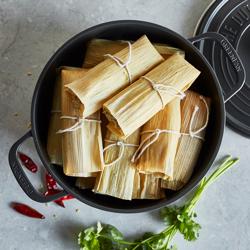
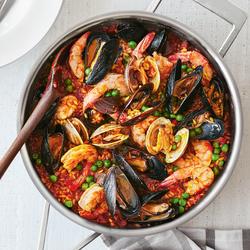
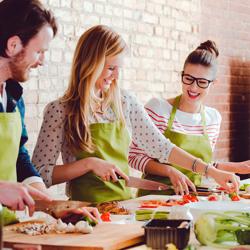
The most useful lessons often happen in small moments: feeling when a dough has enough moisture, noticing the aroma of toasted chiles, or seeing how a sauce changes as it simmers. Depending on the class menu, hands-on work may include shaping masa, folding empanadas, preparing a salsa, or building flavor in a pot of beans. Each task teaches something that reaches beyond a single dish. Working with dough develops an understanding of texture and consistency; making a filling highlights the importance of moisture control; preparing a sauce offers practice in balancing salt, acidity, richness, and heat. A tamale-focused lesson, for example, may explore how the masa, filling, wrapping, and steaming process work together. An empanada menu may put more emphasis on rolling, portioning, sealing, and keeping the filling contained during cooking. These are different techniques, even when both result in a filled food served for sharing. Classes built around rice or braised dishes can provide another kind of experience, showing how preparation, heat, and timing affect the final texture. There is value in learning what to notice rather than relying only on a timer: whether onions have softened, whether a sauce has thickened, or whether a filling needs to cool before assembly. Tasting along the way can also reveal why adding more chile is not always the answer when a dish seems flat; sometimes the missing element is salt, brightness, or a fresh garnish. Instructor guidance can help connect those observations to decisions a home cook can repeat. The experience varies with the format, so the class description matters. Hands-on sessions emphasize participation and practice, while demonstration formats place more attention on watching technique and following the instructor’s explanation. Neither format needs to be treated as a shortcut to mastering an entire cuisine. A focused menu, thoughtfully taught, can give participants a manageable set of techniques and a clearer sense of how the dishes fit together. Those lessons can be just as useful for an ordinary dinner as for a table set for guests.
These experiences suit a range of cooks, from beginners who want support with basic preparation to confident home cooks looking for a closer understanding of an unfamiliar regional dish. Someone comfortable making quick dinners might enjoy slowing down to shape filled pastries, while a cook who often follows recipes closely may appreciate seeing how texture and aroma guide an instructor’s decisions. Couples can share a different kind of date centered on making a meal, friends can spend time together around a common task, and solo attendees can focus on learning without needing to organize a group. For family outings, the age requirements and class format deserve a careful look before making plans. An experience gift can also feel especially personal when the menu connects with a recipient’s interests, a memorable trip, or a dish they have wanted to learn. Choosing by the actual menu is more helpful than choosing by a broad cuisine label alone. Consider whether the main appeal is working with dough, exploring sauces, practicing cooking fundamentals, or understanding the components of a complete meal. Check the description for the level of participation, expected experience, and any stated requirements. Ingredient details matter, too: regional recipes may contain wheat, dairy, eggs, shellfish, nuts, or other allergens, and a class menu should not be assumed to accommodate substitutions. Clear expectations leave more room to enjoy the cooking itself. For another collection centered on related culinary traditions, explore
Cooking Classes for October Latin Flavors. Whether the goal is a shared outing or a new skill for cooking at home, Latin American cooking classes offer an opportunity to pay closer attention to the details that make a dish distinctive. A neatly sealed edge, a tender grain of rice, or a salsa with the right balance can become a small but lasting point of confidence—the kind that makes preparing the dish again feel inviting rather than intimidating.