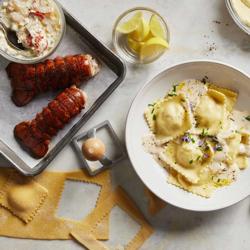
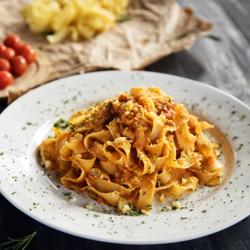
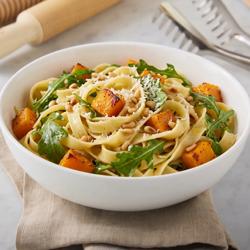
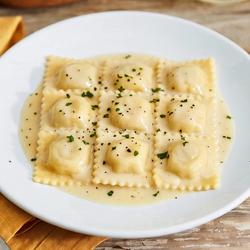
Mother's Day pasta-making gifts turn a familiar favorite into a chance to learn something new, spend time together, and enjoy the satisfaction of making a meal by hand. For a mom who loves to cook, a pasta-making class offers a closer look at techniques that can be difficult to pick up from a recipe alone. For someone who enjoys good food but rarely makes fresh pasta, it creates an approachable place to begin, with instruction along the way. There is something especially inviting about the process: flour gathered on the work surface, dough becoming smoother beneath the hands, and a thin sheet taking shape before it becomes noodles or filled pasta. The appeal is not limited to accomplished home cooks. Beginners can build confidence through practice, while more experienced cooks may notice small adjustments that improve texture, consistency, and ease. A class can also make a thoughtful Mother's Day gift for a grandmother, stepmother, mother-in-law, or another person whose care deserves recognition. Attending together gives the occasion a shared focus beyond a reservation or a wrapped present. There is room for conversation while dough rests, a little concentration while shaping, and the pleasure of seeing separate ingredients come together into something recognizable and delicious. For a recipient who would rather have an experience than another possession, that combination can feel particularly personal. It acknowledges an interest without assuming that every person who cooks wants more equipment or another task to manage at home. The gift is the opportunity to participate, ask questions, and enjoy the process for its own sake. Whether the recipient has memories of making noodles with family or simply loves ordering pasta at a favorite restaurant, a class can connect that enjoyment to a deeper understanding of the food. It makes Mother's Day an occasion for discovery, with skills and shared moments that can remain meaningful long after the celebration.
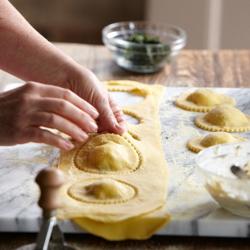
The heart of a pasta-making experience is learning how dough should feel, not just what a set of measurements says. Flour, eggs, water, and other ingredients behave differently depending on the recipe, and hands-on instruction can help make those differences easier to understand. Depending on the class menu, participants might work on mixing and kneading dough, rolling even sheets, cutting noodles, or shaping filled pasta. Each technique brings its own useful lessons. Dough that feels rough at first can become supple with kneading and rest; a sheet that seems thick can gradually become thin enough to fold around a filling. An instructor can help explain why a dough feels sticky, why an edge is cracking, or why a sheet is resisting the roller. Those details matter because fresh pasta relies as much on touch and observation as on timing. Filled shapes introduce another set of satisfying skills, from portioning filling evenly to pressing out trapped air and sealing edges securely. Long noodles offer practice in rolling to a consistent thickness and keeping cut strands from sticking together. Where sauce preparation is part of the lesson, participants may also explore how pasta shape, sauce texture, and cooking technique work together. A delicate noodle calls for a different balance than a generously filled shape, and a little starchy cooking water can help a sauce cling instead of pooling underneath. These are practical connections that make future meals easier to understand. The experience can be engaging even for someone who already cooks often, because watching a technique demonstrated and then trying it provides a different kind of learning than reading about it. For a beginner, having an instructor nearby can make an unfamiliar process feel manageable. Class descriptions should set expectations for the dishes and techniques involved, since not every experience covers the same styles of pasta or includes the same steps. The lasting value lies in becoming more comfortable with the process, from recognizing a workable dough to understanding what makes a finished bite tender and balanced.
A thoughtful Mother's Day cooking experience also reflects how the recipient likes to spend time. Some moms would enjoy learning alongside an adult child or partner, comparing shapes and sharing the small successes of a first attempt. Others might prefer attending with a friend who shares an interest in cooking, or taking a class independently and bringing new ideas back to the family table. For families hoping to attend together, the stated age requirements and class format are important details, especially when younger participants are involved. The level of instruction matters, too: an introductory experience should feel welcoming to someone who has never handled pasta dough, while a class focused on a particular technique may appeal to a cook who already knows the basics. Dietary needs deserve attention before making plans, since pasta lessons may involve wheat, eggs, dairy, or other ingredients that are central to the menu. Any necessary accommodations should be confirmed rather than assumed. These practical considerations help keep the gift centered on the recipient's enjoyment. The
Pasta-Making Experience Gifts collection offers a way to explore classes built around this hands-on approach to cooking. What makes the experience meaningful is not a promise of perfectly uniform noodles on the first try. It is the chance to slow down enough to notice the dough changing, understand a technique, and share the pleasure of making food with care. Back at home, that learning might become a relaxed dinner project, a reason to invite family into the kitchen, or a new tradition of preparing pasta together for special occasions. Even a single useful insight, such as recognizing when dough needs more rest or how firmly to seal a filled shape, can make the next attempt feel less uncertain. For Mother's Day, a pasta-making class brings together appreciation, participation, and a genuine opportunity to learn—an experience chosen around the person receiving it, with enjoyment that can continue at the table and in the kitchen.