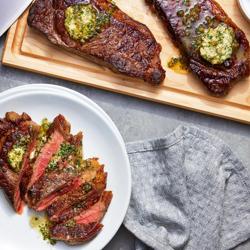
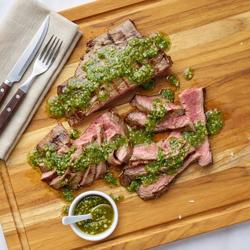
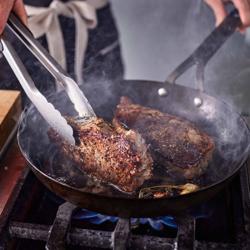
Pan-roasted steak is one of those dishes that rewards a little instruction and quickly becomes part of a home cook’s regular repertoire. A well-designed cooking class can take the mystery out of creating a deeply browned crust, a tender center and a glossy pan sauce, whether the lesson takes place in a professional kitchen or through a live virtual session at home. Classes centered on this technique typically cover the fundamentals that make the biggest difference: choosing a suitable cut, bringing the steak to the right temperature, drying the surface thoroughly, seasoning with intention and selecting cookware that holds steady heat. Students may work with cast iron for its excellent heat retention or stainless steel for its responsiveness and fond-building potential. The cooking itself often moves quickly, so an instructor’s guidance is especially useful. You may learn how to judge when the pan is ready, how to place the steak without overcrowding, when to turn it, and how to baste with butter, garlic and herbs without scorching the flavorful browned bits. Temperature guidance, resting time and carryover cooking are also important parts of the lesson. These details help transform a steak that is merely cooked into one with the characteristic contrast of a crisp, savory exterior and a juicy, properly finished center. For shoppers comparing pan roasted steak cooking classes, consider the class format, length, skill level, location requirements and whether ingredients or equipment are included. Hands-on in-person classes can be ideal for cooks who enjoy immediate feedback and learning alongside others, while virtual classes offer flexibility for a date night, a small gathering or an evening of practice in a familiar kitchen.
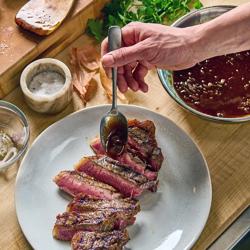
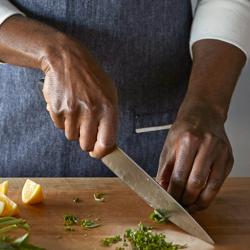
The best classes also show how a pan-roasted steak fits into a complete meal rather than treating it as an isolated centerpiece. A lesson may pair the steak with a simple pan sauce made from wine or stock, along with seasonal vegetables, crisp potatoes or another side that can be prepared while the meat rests. Watching an instructor deglaze the pan is often the moment the technique comes together: the browned fond loosens, the liquid reduces, and a few finishing ingredients create a sauce with far more depth than its short ingredient list suggests. This kind of class is useful for beginners who want a clear starting point, as well as experienced home cooks looking to refine timing, knife skills and temperature control. It can also be a thoughtful gift for someone moving into a first apartment, setting up a kitchen, celebrating an engagement or simply collecting new skills with a partner or friend. A cooking class gift gives the recipient more than a recipe; it provides an experience, a shared meal and a technique they can use long after the class ends. When selecting a class as a gift, look for options that make scheduling straightforward and provide enough detail about what participants will prepare. Some cooks prefer an intimate, technique-focused session, while others enjoy a fuller menu and the energy of a group lesson. For those primarily interested in mastering the crust and pan work,
Steak Searing Technique Cooking Classes can provide a helpful way to explore the foundations of high-heat cooking and build confidence at the stove.
Pan-roasted steak classes are especially appealing during the cooler months, when the kitchen becomes a natural gathering place and a satisfying dinner feels worth a little extra attention. The sound of a steak meeting a hot pan, the aroma of butter and herbs, and the sight of a dark golden crust forming along the edges make the lesson memorable in a way that a written recipe often cannot. Even cooks who are comfortable following recipes may benefit from seeing the visual and sensory cues firsthand: the shimmer of properly heated oil, the way the steak releases from the pan when it has browned, or the subtle change in resistance that signals doneness. Before purchasing, check whether the class is designed for a particular experience level, whether participants cook individually or observe a demonstration, and whether the format suits the intended recipient. Virtual classes may require a reliable connection, basic cookware and advance ingredient preparation, while in-person sessions may provide the workspace and tools. It is also worth considering dietary preferences, portion sizes and the overall menu, particularly when choosing a class for a group. A strong pan-roasted steak lesson leaves participants with practical habits they can repeat: season evenly, manage heat instead of chasing it, avoid constant flipping, rest the meat before slicing and use the pan’s browned bits to build flavor. With those techniques in hand, a simple steak dinner can become a relaxed weekend ritual, an impressive meal for guests or a welcome bit of warmth at the end of a busy day.