Pizza-making classes turn a familiar favorite into a hands-on experience, combining practical cooking skills with the fun of making something together. Instead of simply watching a demonstration, participants in an interactive class get involved in the work: handling dough, shaping a crust, arranging toppings, and seeing how individual choices affect the finished pizza. The exact activities depend on the class menu and format, but the appeal is easy to understand. There is something satisfying about watching a soft round of dough become a bubbling, browned pizza, especially when the process includes a few laughs and helpful guidance along the way. Beginners can get comfortable with dough that feels sticky or stretches unevenly, while home cooks with some experience can develop a better feel for texture, timing, and balance. Depending on the lesson, instruction may cover mixing, kneading, resting, and stretching, with explanations of why each stage matters. Yeast gives dough its rise, kneading helps build the structure that holds that rise, and a proper rest makes shaping less of a tug-of-war. Learning to recognize those changes by touch can make a bigger difference than memorizing a recipe alone. A dough ball that springs back under the fingertips, for example, may need more time to relax rather than more force. An instructor can help participants notice those small signals and respond with confidence. Because fermentation takes time, some classes may use dough prepared ahead so participants can focus on shaping and baking while still learning about the earlier stages. That combination of explanation and practice makes pizza a particularly approachable subject for a cooking class. The goal is not necessarily a perfectly round pie. It is understanding how to work with the dough, preserve the texture of the crust, and enjoy the process enough to want to try it again at home. Even an uneven edge can become part of the pleasure when it comes out crisp and golden.
Beyond the dough, interactive pizza-making classes offer a chance to explore how sauce, cheese, and toppings work together. A favorite combination at a restaurant can behave differently when assembled by hand, and the reasons become easier to understand when the ingredients are right in front of you. Too much sauce can weigh down the center, wet vegetables can release moisture as they bake, and a thick layer of cheese can overwhelm a delicate crust. Classes that address these details help participants think about proportion rather than simply adding more. A light coating of sauce leaves room for the flavor of the dough, while evenly spaced toppings make each slice easier to bake and eat. Depending on the menu, participants might work with a tomato-based sauce, explore a pizza without red sauce, or compare how different cheeses melt and brown. The fun comes from making those decisions with a little more knowledge behind them. A scattering of fresh herbs after baking can bring a different flavor and texture than herbs exposed to the full heat of the oven. Vegetables that need advance cooking can offer a useful lesson in preparation, while a simple cheese pizza makes it easier to notice the crust itself. Baking adds another layer of learning. Where the pizza sits, how heat reaches its base, and when it comes out of the oven all influence whether the result is crisp, tender, lightly colored, or deeply browned. Instruction may include safe handling and transferring techniques, along with visual cues such as a set center, a colored underside, and bubbling cheese. Those observations give participants something practical to carry into their own kitchens, even when their home ovens differ from the classroom setup. Tasting the finished pizza also makes the lesson tangible: the airy edge, the chew beneath the sauce, and the balance of toppings all connect back to choices made earlier. Sharing those observations with a companion can be as enjoyable as sharing the slices.
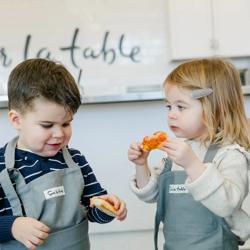
The social side of a pizza-making class is a large part of its appeal. There is a shared task to focus on, plenty to talk about without forcing conversation, and a meal taking shape as the experience unfolds. Friends can trade observations about their dough, couples can work through a new skill together, and solo attendees can enjoy learning alongside other people who like to cook. For a date night, the activity offers something more participatory than sitting across a restaurant table; both people have a chance to contribute, make decisions, and enjoy the results. For a birthday outing or a get-together with friends, pizza provides a familiar starting point without requiring everyone to arrive with the same level of kitchen experience. A class can also make a thoughtful experience gift for someone who enjoys cooking, loves pizza, or prefers making memories to receiving another object. Families interested in cooking together can explore
Pizza Making Classes for Couples and Families and look for a format suited to the ages and experience levels of their group. Age requirements matter, particularly when a lesson involves hot ovens, sharp tools, or techniques intended for adults. Class descriptions can also clarify the menu, session length, participation format, and whether attendees work individually or share tasks at a station. For anyone with a food allergy or dietary restriction, checking ingredient details and kitchen accommodations before booking is important; a pizza-focused menu does not automatically mean substitutions or separate preparation areas are possible. These practical details help match the experience to the occasion, whether the priority is learning dough fundamentals, spending time with someone, or trying an unfamiliar activity. The lasting value often shows up later, when homemade pizza feels less intimidating and cooking together becomes easier to organize. Stretching the dough, keeping toppings balanced, and recognizing a well-baked crust are useful skills, but so is discovering that a shared kitchen project can be relaxed, engaging, and worth repeating.