Romantic Thai cuisine classes turn a date night into a shared experience, bringing couples into the kitchen to explore fragrant herbs, lively sauces, and the pleasure of making a meal together. These cooking classes combine an introduction to Thai flavors with opportunities to practice useful skills, making them an appealing choice for anniversaries, relationship milestones, or an evening that feels different from the usual dinner reservation. The connection comes through the cooking itself: dividing the prep, comparing tastes, and watching separate ingredients become something worth sitting down to enjoy. For couples who love ordering Thai food, the experience can add a deeper appreciation for familiar dishes. For those discovering the cuisine together, it offers a welcoming setting for exploring ingredients and preparations beyond a regular takeout order. Thai cooking draws on a rich range of regional traditions, with dishes that can be bright and herbaceous, deeply savory, gently sweet, sharply sour, or boldly spicy. Those qualities do not appear in equal measure in every dish; learning how they work together is part of the appeal. Lime, tamarind, fish sauce, coconut milk, chiles, and fresh herbs can each play a distinct role, depending on the recipe. A thoughtfully composed menu gives couples a chance to notice those differences rather than treating Thai food as simply hot or sweet. Neither person needs to be the designated cook for the evening to feel rewarding. A beginner might enjoy learning how to prepare an unfamiliar aromatic, while a more experienced home cook may be drawn to sauce balance or noodle texture. Working toward the same meal creates natural moments for conversation without putting either person under pressure to entertain. The result is a date centered on attention and participation, with the added satisfaction of learning something that can become part of everyday cooking together. Even a small discovery, such as recognizing the citrus fragrance of lemongrass, can make the evening feel memorable.
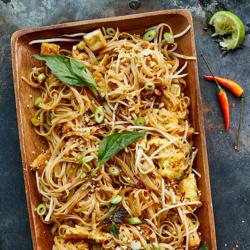
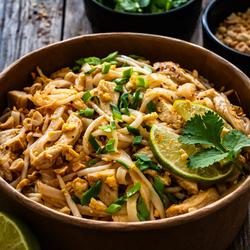
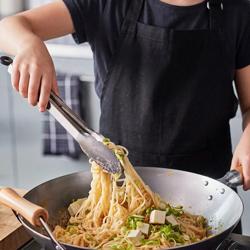
The learning in a Thai cooking class can extend well beyond following a recipe. Depending on the menu, couples might explore the preparation of a curry, a stir-fried noodle dish, a fresh salad, a fragrant soup, or a rice-based dessert. Each offers a different window into technique. A curry can reveal how aromatics, seasoning, and a cooking liquid develop into a cohesive sauce, while a noodle dish brings attention to preparation, heat, and timing. A salad may show how a dressing changes once it meets crisp vegetables and herbs, and a soup can demonstrate the difference between building an aromatic broth and adding a final bright note. These are useful distinctions for anyone who has wondered why a homemade dish tastes different from a favorite restaurant version. Ingredients such as lemongrass and galangal also introduce textures and aromas that deserve more than a quick substitution. Galangal has a character distinct from ginger, and Thai basil brings a different flavor from the sweet basil often used in Italian cooking. Understanding those differences helps make recipes more approachable without suggesting that every ingredient is interchangeable. Instruction may also address how to prepare ingredients before cooking begins, organize a station, and recognize when a component is ready for the next step. For two people sharing the work, that preparation makes space for collaboration: one can tend to a sauce while the other finishes herbs or vegetables, with both contributing to the finished dish. Tasting becomes especially engaging when each person notices something different. One may pick up the tartness first, while the other recognizes that a little more savory depth would bring the flavors together. The value is not in chasing a single universal formula, but in developing a better sense of what the particular recipe needs. When dessert is included, it can provide another perspective on Thai cooking through contrasting textures and ingredients such as coconut and sticky rice. Across the menu, the most lasting lessons are often sensory ones: how an aromatic smells as it cooks, how noodles feel when properly prepared, and how a finishing ingredient changes a bite.
Choosing a romantic Thai cooking class is also about finding an experience that suits both people. The menu is a useful starting point, especially when one partner loves assertive chile heat and the other prefers milder food, or when both are eager to understand a particular dish. A clearly described class helps set expectations about what participants will prepare, how much of the session involves hands-on cooking, and whether the experience includes time to enjoy the finished meal. Hands-on participation and demonstrations offer different benefits, so the format matters as much as the dish names. Couples hoping to cook together may especially appreciate opportunities to share preparation rather than simply watch. Dietary needs deserve equal attention. Thai recipes may contain fish sauce, shrimp paste, peanuts, eggs, soy, or wheat-containing sauces, and a vegetable-focused dish is not necessarily vegetarian. Ingredient changes can also affect a recipe’s flavor and structure, so any required accommodations should be confirmed with the class provider rather than assumed. Comfort in the kitchen matters, too, particularly when the two participants have different levels of experience. An introductory menu can give a newer cook room to build confidence while still offering an experienced partner fresh ideas about seasoning and technique. For couples whose interest starts with familiar takeout dishes,
Thai Restaurant Favorites Cooking Classes offer a related way to explore the flavors that already bring them to the table. A cooking experience can also make a thoughtful gift for a partner or a couple who enjoys spending time together over food. Its appeal lies in the shared activity as much as the meal: a chance to put everyday distractions aside, work side by side, and leave with something more personal than a restaurant receipt. The techniques may find their way into a later dinner at home, but the occasion stands on its own—a welcoming setting for discovery, a meal made through a joint effort, and time spent enjoying both.