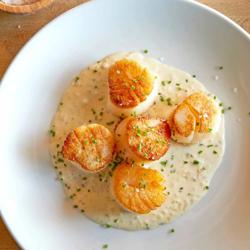
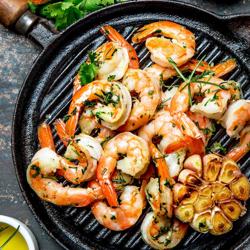
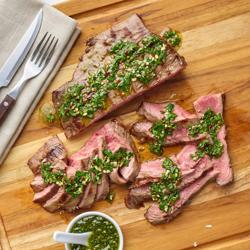
Spanish cooking classes for autumn celebrations bring people together around the shared work of making a meal, from stirring a fragrant sofrito to carrying a pan of rice to the table. They offer a way to mark a birthday, plan a date, or gather friends for a Halloween get-together without making one person responsible for all the cooking. Spanish cuisine is especially well suited to this kind of occasion: small plates encourage conversation, generous rice dishes invite sharing, and familiar ingredients take on distinctive character through careful technique. Depending on the class menu, the experience might center on seafood paella, crisp croquetas, a golden potato tortilla, or a collection of tapas. Each offers a different introduction to the cooking traditions of Spain, where regional ingredients and customs shape the meal. Valencian rice traditions differ from the seafood cooking of Galicia or the small bites associated with the Basque Country, so Spanish cooking is better understood as a varied culinary landscape than a single fixed menu. A class can make those distinctions approachable while keeping the focus on preparing something delicious. Beginners can build confidence with knife work, timing, and recognizing when food is ready, while experienced home cooks can refine the details that make familiar dishes more consistent. For couples, friends, and family members, there is also the pleasure of having something to do together beyond sitting across a restaurant table. One person might prepare vegetables while another measures rice or shapes a croqueta, with each task contributing to the finished meal. An instructor-led setting gives those moments direction and helps connect individual tasks to the larger cooking process. The result is a celebration built around participation, with aromas, textures, and techniques that give everyone something to talk about long after the meal. That balance of learning and sharing makes the experience appealing even when guests arrive with different levels of confidence in the kitchen.
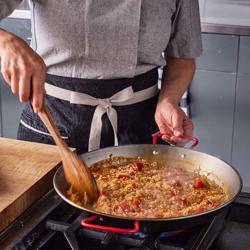
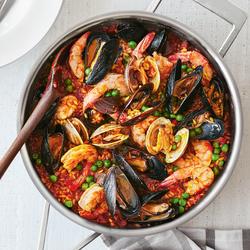
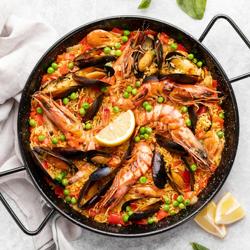
The most useful Spanish cooking classes explain not only what goes into a dish, but how each stage affects the result. In a paella-focused class, that may mean understanding the role of a wide, shallow pan, the way short-grain rice absorbs cooking liquid, and why steady heat matters once the rice is spread into an even layer. A tomato-based sofrito provides a chance to notice how vegetables change as moisture cooks away and their flavor becomes more concentrated. Saffron, when included, introduces another lesson in using a small amount of a distinctive ingredient thoughtfully. The prized toasted rice layer known as socarrat also offers a useful distinction between deliberate browning and scorching, something that is easier to understand when an instructor can point out the sounds and aromas involved. A tapas menu develops a different set of skills. Croquetas can demonstrate how a thick béchamel becomes a filling that holds its shape, why chilling matters, and how a crisp coating contrasts with the creamy center. Tortilla española turns potatoes, eggs, and often onion into a lesson in gentle cooking and doneness, with attention to the texture of the potatoes and the way the eggs set. Dishes such as garlic shrimp or patatas bravas can highlight timing, sauce consistency, and the difference between bold seasoning and overwhelming the main ingredient. These examples represent possibilities within Spanish cooking rather than a menu shared by every class; the individual class description establishes what participants will prepare. For an autumn gathering, the appeal lies in that combination of satisfying food and practical learning. A pan coming to the table, a spoon breaking through a crisp crust, or a sauce passed between friends creates a natural sense of occasion without elaborate decorating. The techniques also extend beyond the celebration itself. Learning to manage heat, taste for balance, organize ingredients, and coordinate several components can make everyday cooking feel less rushed and more intentional. Those are useful takeaways whether the next meal is another Spanish spread or a simple dinner made from ingredients already in the kitchen.
Choosing a Spanish cooking class for a celebration starts with the kind of experience the group will enjoy. A focused rice menu suits someone who wants to spend time understanding one centerpiece dish, while a tapas-centered class can appeal to guests who enjoy variety and several smaller preparations. For a date, shared tasks create an easy rhythm and give both people a role in the meal. For a group of friends, the interest may be discovering a dish that nobody has attempted at home. A birthday gathering can put the emphasis on learning something together rather than exchanging another wrapped gift;
Spanish Cooking Classes for Celebrating Birthdays offers another way to explore that occasion. When comparing class descriptions, useful details include the menu, length of the session, level of participation, and any age requirements. These help set expectations, particularly when a group includes both enthusiastic home cooks and people who rarely cook. Dietary considerations deserve attention, too. Spanish menus may include shellfish, dairy, eggs, wheat, meat, or nuts, and a dish that looks simple can contain ingredients that are not obvious from its name. Reviewing the stated requirements and asking about dietary needs before booking is more reliable than assuming a recipe can be changed during class. Comfortable clothing and footwear suited to standing can also make a hands-on session more enjoyable. Beyond those practical details, the strongest fit is a class whose food genuinely interests the people attending. Someone who loves the texture of well-cooked rice may appreciate a paella lesson, while a guest who enjoys assembling a table of small dishes may connect more with tapas. For autumn celebrations, Spanish cooking classes offer a gathering with a clear purpose and plenty of room for conversation. Guests leave with more than the memory of a meal: they can carry home a better sense of timing, a new technique, and the confidence to cook for people they care about.