-
(79)
Chef Bre showed us that we can make great food at home with the right ingredients and technique....We always love the date nights. . Loved the company-You get to meet fun people....Chef Bre is the absolute best!
Pros: fun, educational, friendly staff
-
(2)
Cooking Class Description: Enjoy a night of elegant eats in this Date Night class! Great for celebrating an anniversary, birthday or any special occasion, you and your partner will cook a delicious menu of Italian favorites. Our chef instructor will...
Pros: delicious meal, informative, fun instructor
-
Cooking Class Description: Come celebrate alongside us with a menu as special as the milestone. You and your partner will cook a truly luxurious dinner from start to finish, guided by your chef instructor. Sear a petite filet and finish it with a bold...
Steak And Roasted Vegetable Cooking Classes
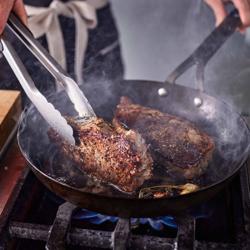
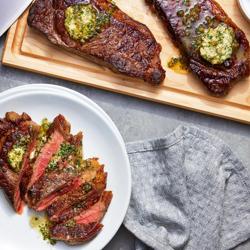
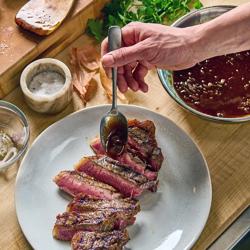
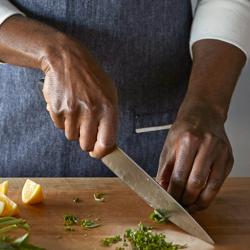
Steak and roasted vegetable cooking classes offer a hands-on way to master the art of preparing a classic, satisfying meal. Whether you’re looking to perfect your sear or bring out the best in seasonal vegetables, these classes are designed for cooks of all skill levels. Discover tips and techniques that will help you build confidence in the kitchen while enjoying the process. With steak and roasted vegetable cooking classes, you’ll learn how to create delicious, balanced dishes that are sure to impress at any table.
Best Of FAQ
In a steak and roasted vegetable cooking class, you'll learn techniques for selecting, seasoning, and perfectly cooking various cuts of steak. You'll also discover how to prepare and roast a variety of vegetables to complement your meal, along with tips on timing, flavor pairing, and presentation.
No prior experience is necessary! Our classes are designed for all skill levels, from beginners to seasoned home cooks. Instructors guide you step-by-step through each process, ensuring everyone can participate and enjoy the experience.
Yes, all necessary ingredients are provided during the class. You'll have access to high-quality meats, fresh vegetables, and all the seasonings needed to create delicious dishes under the guidance of our expert chefs.
Absolutely! At the end of the class, you'll enjoy the meal you've prepared. It's a great opportunity to taste your creations and share them with fellow participants.
Many of our classes can be adapted for certain dietary needs. Please let us know about any preferences or restrictions when booking so we can do our best to accommodate you.



-
"Chef Bre showed us that we can make great food at home with the right ingredients and technique"
-
"Chef Bre showed us that we can make great food at home with the right ingredients and technique"
-
"Chef Bre showed us that we can make great food at home with the right ingredients and technique"
-
"Great experience"
-
"Chef Bre showed us that we can make great food at home with the right ingredients and technique"