
-
(72)
Great...Such a fun class and Chef Dom was a fantastic teacher and so great to learn from!
-
(71)
Great class!...Chef Joy was great and answered all questions the class had....Great Class
-
(48)
Great instructor, great food, the best date night...It was one of the best date nights I have ever had....Great class. Highly recommend!
-
(34)
Cooking Class Description: Learn how to create your favorite Thai dishes in this class. Thai recipes balance strong and delicate flavors, and you’ll learn how to craft that contrast. Join us to practice the art of frying crispy shrimp, simmering pumpkin...
-
(7)
Great flavor, easy to make w practice, quick to steam- great dipping sauces
-
(79)
Cooking Class Description: Join us to explore the five major flavors of Thai cuisine—sweet, salty, bitter, sour and spicy. In this class, you will practice knife skills, stir-frying and building balanced flavors as we put together an elegant feast. Save...
-
Cooking Class Description: Skip the takeout and learn how to make your favorite Thai dishes at home. In this hands-on class, you’ll learn secrets for combining aromatic herbs and spices with authentic ingredients to create the flavors that make Thai...
-
Cooking Class Description: Fire up your appetite with the bold, savory flavors of Korean BBQ. In this class, our chef instructor will walk you through the art of grilling succulent beef bulgogi, crafting crispy scallion pancakes and perfecting stir-fried...
-
(27)
Carla was great, but it was her first time teaching it....
We love Sue La Tale. My one complaint is?...Great chef teacher...The recipes are great and we had a wonderful time cooking. -
Cooking Class Description: For more information on Private Events, or to schedule your own, please contact your local Sur La Table store, or visit our Private Events page.
What To Expect: In our classes you'll work together with other students (in groups... -
Cooking Class Description: Who needs takeout when you can make authentic Thai dishes at home? Bring your young chef and explore vibrant Thai flavors together as you grill tender Chicken Satay and whip up a bold Peanut Sauce for dipping. You'll roll Fresh...
-
Cooking Class Description: For more information on Private Events, or to schedule your own, please contact your local Sur La Table store, or visit our Private Events page.
What To Expect: In our classes you'll work together with other students (in groups...
Summer Asian Cooking Classes For Adults
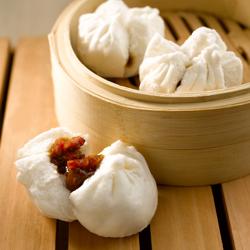
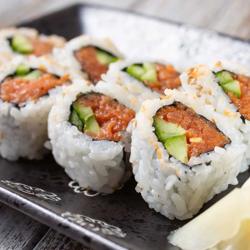
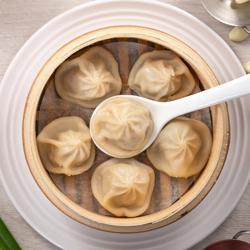
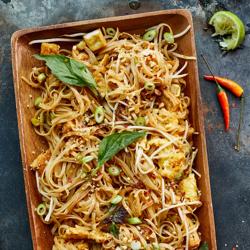
Explore new flavors and techniques with summer Asian cooking classes for adults. Whether you’re looking to expand your culinary skills or simply enjoy a fun night out, these hands-on experiences offer a fresh approach to seasonal cooking. Guided by passionate instructors, you’ll discover the vibrant ingredients and time-honored traditions that make Asian cuisine so memorable. Connect with others who share your enthusiasm for food and leave inspired to bring something new to your own kitchen this summer.
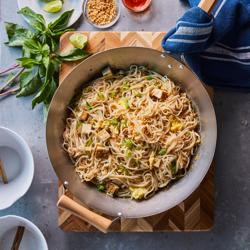
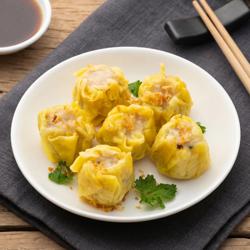
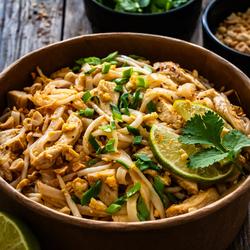
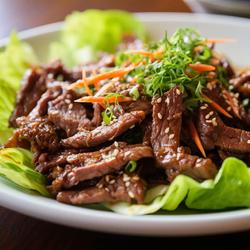
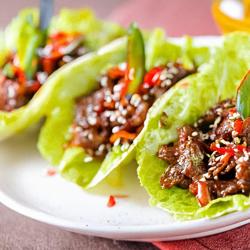
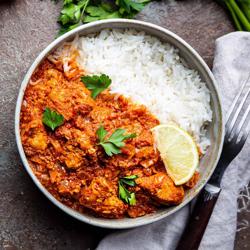

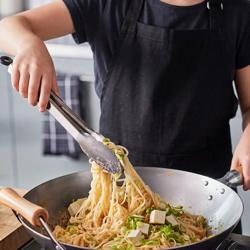
Summer Asian Cooking Classes for Adults
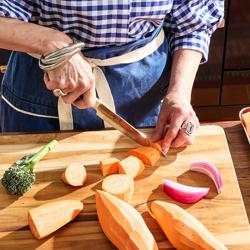
-
"The recipes are great and we had a wonderful time cooking"
-
"Great flavor, easy to make w practice, quick to steam- great dipping sauces"
-
"Such a fun class and Chef Dom was a fantastic teacher and so great to learn from"
-
"Chef Joy was great and answered all questions the class had"
-
"Such a fun class and Chef Dom was a fantastic teacher and so great to learn from"