-
Cooking Class Description: What's more fun than eating sushi? Learning to make it with your special someone! You and your partner will master the art of rolling as you prepare a Shrimp Tempura Roll, Crab Inari Sushi in crispy fried tofu pockets and a...
-
Cooking Class Description: For more information on Private Events, or to schedule your own, please contact your local Sur La Table store, or visit our Private Events page.
What To Expect: In our classes you'll work together with other students (in groups... -
Cooking Class Description: For more information on Private Events, or to schedule your own, please contact your local Sur La Table store, or visit our Private Events page.
What To Expect: In our classes you'll work together with other students (in groups...
Sushi Making Classes For Summer Events
Sushi making classes for summer events are a fun and engaging way to bring people together over fresh flavors and hands-on learning. Whether you’re planning a gathering with friends, a family celebration, or a team-building activity, these classes offer an interactive experience that’s perfect for the season. Discover how easy it can be to roll your own sushi and create memorable moments, all while enjoying the tastes of summer.
Sushi Making Classes for Summer Events
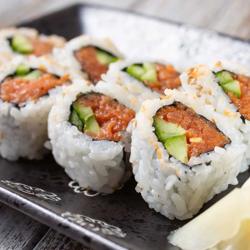
Sushi making classes are a lively way to bring people together for summer events, whether you are organizing a team-building outing, planning a birthday gathering, hosting a date night, or looking for an activity that feels more memorable than a standard dinner. These classes turn the meal into part of the occasion: guests learn how to prepare seasoned sushi rice, practice safe and precise knife work, arrange colorful fillings, and roll their own maki, uramaki, or hand rolls. The hands-on format gives everyone something to do, while the finished food creates an easy, shared meal at the end of the experience. When choosing among class options, consider the group’s size, experience level, preferred setting, and the amount of customization you would like. Public workshops are a good fit for smaller groups or individuals who enjoy meeting other cooking enthusiasts, and they may take place in a culinary studio, restaurant, brewery, or other social venue. Private classes allow the host to choose the guest list and create a more personal atmosphere for a celebration or corporate gathering. Some instructors also offer mobile experiences that bring the ingredients, equipment, mats, and teaching directly to a home, office, patio, or event space. This can be especially convenient when the goal is to keep the group together rather than arrange transportation to another location. As the weather warms, an outdoor sushi-making event can pair naturally with a patio dinner, garden gathering, or casual team celebration, provided there is a clean, shaded work area and reliable access to refrigeration and hand-washing supplies. During the cooler months, an indoor class offers the same sense of occasion in a comfortable, welcoming setting, making sushi instruction a versatile choice across the seasons.
The best class for your event will balance instruction with the kind of atmosphere you want guests to enjoy. Beginners often appreciate a clear introduction to rice preparation, including how to rinse, cook, season, cool, and handle rice without making it overly wet or compact. Rice is the foundation of every roll, and learning to spread it gently over a sheet of nori can make the rest of the process feel much less intimidating. Knife skills are another important part of the experience. A well-led class should explain how to work safely and slice vegetables, cooked seafood, or other fillings into even pieces that are easy to roll and pleasant to eat. For groups with mixed abilities, look for classes that offer a range of filling choices and techniques, so confident cooks can try more advanced rolls while first-time participants have plenty of support. Traditional maki rolls provide a familiar starting point, while inside-out rolls and hand rolls add variety and let guests experiment with shape, texture, and presentation. Ingredient selection may also influence the right class. Some groups look forward to delicate fish and classic accompaniments, while others prefer vegetarian, cooked, or allergy-conscious options. Ask about dietary accommodations, ingredient sourcing, and whether the menu can be adjusted before booking. It is also worth confirming what the class includes, such as food, instruction, equipment, beverages, aprons, printed recipes, or time to sit and enjoy the finished rolls. A beverage pairing can add another layer to the event, with sake, craft beer, tea, sparkling water, or seasonal cocktails complementing the food without taking attention away from the lesson. For hosts planning a larger celebration, details such as seating, table space, cleanup, parking, and the duration of the class can make a meaningful difference in how smoothly the gathering unfolds.
A sushi making class can also make a thoughtful gift for someone who enjoys trying new recipes, entertaining friends, traveling through food, or building confidence in the kitchen. It works well for couples, close friends, family members, and colleagues, particularly when the recipient values an experience they can share rather than another item for the home. Gifting a class for a birthday, anniversary, engagement, graduation, housewarming, or holiday gathering gives the recipient a chance to create a story along with dinner. For someone already comfortable with basic rolls, an advanced or themed session may offer fresh inspiration through new sauces, decorative techniques, seasonal produce, or regional styles. For a newer cook, an introductory class with patient instruction and approachable ingredients can provide an enjoyable first step into Japanese-inspired cooking. Hosts who are comparing options for [Sushi Making Classes for Special Occasions](https://www.surlatable.com/o?c=culinary-classes-sushi-making-classes-for-special-occasions) may also find it helpful to think about the mood they want to create: relaxed and social for a friend gathering, polished and collaborative for a work event, or intimate and celebratory for a date or milestone. The most successful experiences tend to leave room for conversation, creativity, and a little imperfection. Rolls may not all look identical, and that is part of the charm; one guest may carefully line up bright vegetables while another discovers a talent for generous hand rolls. With the right class format, fresh ingredients, clear guidance, and enough time to enjoy the results, sushi making becomes more than a meal. It becomes an engaging event that gives guests practical skills, a colorful table, and a shared memory to carry into the seasons ahead.

The best class for your event will balance instruction with the kind of atmosphere you want guests to enjoy. Beginners often appreciate a clear introduction to rice preparation, including how to rinse, cook, season, cool, and handle rice without making it overly wet or compact. Rice is the foundation of every roll, and learning to spread it gently over a sheet of nori can make the rest of the process feel much less intimidating. Knife skills are another important part of the experience. A well-led class should explain how to work safely and slice vegetables, cooked seafood, or other fillings into even pieces that are easy to roll and pleasant to eat. For groups with mixed abilities, look for classes that offer a range of filling choices and techniques, so confident cooks can try more advanced rolls while first-time participants have plenty of support. Traditional maki rolls provide a familiar starting point, while inside-out rolls and hand rolls add variety and let guests experiment with shape, texture, and presentation. Ingredient selection may also influence the right class. Some groups look forward to delicate fish and classic accompaniments, while others prefer vegetarian, cooked, or allergy-conscious options. Ask about dietary accommodations, ingredient sourcing, and whether the menu can be adjusted before booking. It is also worth confirming what the class includes, such as food, instruction, equipment, beverages, aprons, printed recipes, or time to sit and enjoy the finished rolls. A beverage pairing can add another layer to the event, with sake, craft beer, tea, sparkling water, or seasonal cocktails complementing the food without taking attention away from the lesson. For hosts planning a larger celebration, details such as seating, table space, cleanup, parking, and the duration of the class can make a meaningful difference in how smoothly the gathering unfolds.
A sushi making class can also make a thoughtful gift for someone who enjoys trying new recipes, entertaining friends, traveling through food, or building confidence in the kitchen. It works well for couples, close friends, family members, and colleagues, particularly when the recipient values an experience they can share rather than another item for the home. Gifting a class for a birthday, anniversary, engagement, graduation, housewarming, or holiday gathering gives the recipient a chance to create a story along with dinner. For someone already comfortable with basic rolls, an advanced or themed session may offer fresh inspiration through new sauces, decorative techniques, seasonal produce, or regional styles. For a newer cook, an introductory class with patient instruction and approachable ingredients can provide an enjoyable first step into Japanese-inspired cooking. Hosts who are comparing options for [Sushi Making Classes for Special Occasions](https://www.surlatable.com/o?c=culinary-classes-sushi-making-classes-for-special-occasions) may also find it helpful to think about the mood they want to create: relaxed and social for a friend gathering, polished and collaborative for a work event, or intimate and celebratory for a date or milestone. The most successful experiences tend to leave room for conversation, creativity, and a little imperfection. Rolls may not all look identical, and that is part of the charm; one guest may carefully line up bright vegetables while another discovers a talent for generous hand rolls. With the right class format, fresh ingredients, clear guidance, and enough time to enjoy the results, sushi making becomes more than a meal. It becomes an engaging event that gives guests practical skills, a colorful table, and a shared memory to carry into the seasons ahead.
Related Pages
-
"Chef Vanessa is very organized and has great tips on how to organize the preparation of each dish"
-
"Chef Vanessa is very organized and has great tips on how to organize the preparation of each dish"
-
"Chef Vanessa is very organized and has great tips on how to organize the preparation of each dish"
-
"Chef Vanessa is very organized and has great tips on how to organize the preparation of each dish"
-
"Chef Joy was great and answered all questions the class had"