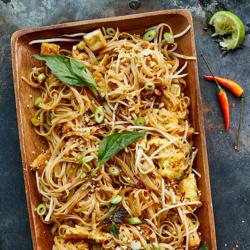
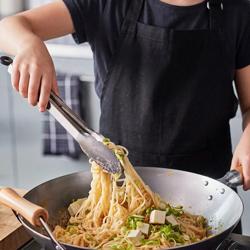
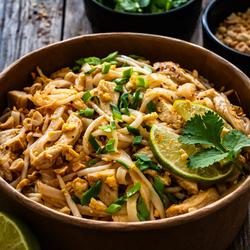
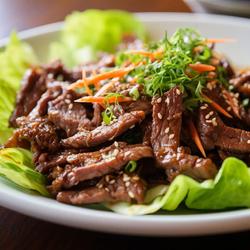
Thai cooking classes for flavor balancing explore how sourness, sweetness, saltiness, and chile heat work together, with savory depth, bitterness, aroma, and texture adding further character. The goal is not to make every flavor equally strong. A bright, tart salad and a rich coconut curry can have very different personalities while each tasting complete. Classes centered on this skill help turn familiar advice to “taste and adjust” into something more useful: recognizing what stands out, what feels missing, and how a small change affects the next bite. Depending on the menu, that practice might involve comparing a dressing before and after an adjustment, tasting a curry as its sauce develops, or noticing how noodles change the intensity of a seasoning mixture. These experiences can help explain why following measurements precisely does not always produce the same result at home. One lime may be sharper than another, chiles vary in heat, and different fish sauces bring different levels of saltiness and savory flavor. Learning to notice those differences builds judgment that goes beyond a single recipe. Thai cuisine also encompasses distinct regional traditions, so a thoughtful approach leaves room for dishes that are deliberately fiery, assertively sour, gently sweet, or pleasantly bitter rather than treating balance as one fixed formula. For someone who enjoys Thai food but finds homemade versions unexpectedly flat, overly sweet, or dominated by heat, a class focused on flavor offers a practical way to understand the difference. Instead of chasing a restaurant dish from memory, participants can develop a clearer sense of how ingredients contribute to the whole. The appeal lies as much in those small discoveries as in the finished meal: the way a little salt brings other flavors into focus, the fragrance released by bruised lemongrass, or the contrast between a deeply seasoned sauce and a bite of plain rice. Tasting those relationships with an instructor’s guidance makes an abstract idea easier to recognize and remember.
Ingredient knowledge is an important part of that experience, especially when several seasonings seem to serve similar purposes. Lime juice and tamarind both contribute acidity, but lime brings a fresh citrus fragrance while tamarind offers a fruitier, rounded tang. Fish sauce contributes salt and savory depth; soy sauce has its own distinct character and is not an identical replacement in every preparation. Palm sugar can add gentle caramel notes while rounding out sharp edges, although sweetness does not simply erase chile heat. In a class setting, tasting these ingredients in context can be more revealing than reading descriptions of them. A dressing might seem assertive by itself yet become less intense once it coats vegetables, herbs, or noodles. A sauce that tastes balanced early in cooking may become too salty as liquid evaporates. Learning to assess the finished bite, rather than just a spoonful of sauce, helps connect seasoning decisions to the way a dish will actually be eaten. Aromatics introduce another layer of understanding. Lemongrass, galangal, garlic, and makrut lime leaves contribute different fragrances, and their preparation and cooking time affect what reaches the plate. Depending on the recipes, instruction may also explore working with curry paste, incorporating coconut milk, preparing fresh herbs, or coordinating quick cooking with ingredients that need more time. These techniques matter because balance is not only about adding a final squeeze of lime or another pinch of sugar. It begins with the foundation of a dish and continues through its preparation. Texture belongs in that conversation, too: crisp vegetables, tender noodles, fresh herbs, and crunchy garnishes can change how richness and intensity are perceived. A useful learning experience connects those details rather than presenting them as isolated tricks. The result is a better understanding of why a particular adjustment makes sense for a particular dish, including when restraint is more helpful than adding another ingredient. Sometimes the most instructive moment is tasting a preparation that already has everything it needs and learning to leave it alone.
These classes can suit newer cooks who want a clearer starting point and experienced home cooks who feel comfortable with technique but less certain about seasoning. Someone who regularly makes stir-fries may want to understand why a sauce tastes harsh; someone who relies on familiar recipes may be ready to make more confident adjustments when ingredients vary. Couples can enjoy the shared concentration of preparing a meal, friends can compare what each person notices while tasting, and solo attendees can focus on developing a skill that carries into everyday cooking. A cooking class can also make a thoughtful birthday, anniversary, or experience gift for someone who enjoys learning through food. When choosing a class, the menu and stated learning goals offer useful clues about its emphasis. A session built around salads and dressings may provide different tasting opportunities from one centered on curries or noodle dishes. Look for descriptions that explain the preparation involved, the techniques being covered, and any experience expectations, rather than relying on dish names alone. For a broader look at related skills,
Thai Food Technique Classes can help connect an interest in seasoning with other aspects of preparing Thai dishes. Dietary needs deserve attention before selecting a session, since fish sauce, shrimp paste, peanuts, soy, and other ingredients may be part of the recipes. Confirming the menu and any accommodation options in advance helps establish whether the experience is a good fit; a substitution can affect flavor as well as suitability. The lasting value of a flavor-focused class is a more attentive approach to cooking. Back at home, that might mean recognizing that a noodle salad needs more brightness rather than more heat, or understanding why a rich sauce tastes different alongside rice. Those are practical, repeatable discoveries that make cooking feel less like guessing and more like paying attention, while preserving the distinctive character that makes each dish worth learning.