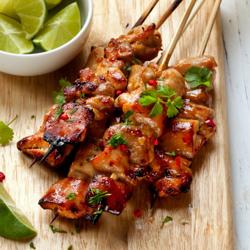
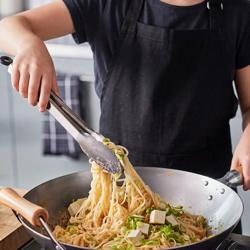
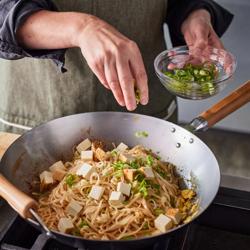
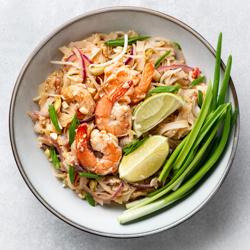
Thai cooking classes are a flavorful way to make a summer holiday feel special, whether you are planning a hands-on activity with visiting family, a relaxed date night, or an afternoon with friends who enjoy trying something new. These classes introduce the techniques and flavor combinations behind some of Thailand’s most beloved dishes, while keeping the experience practical and welcoming for home cooks. Depending on the format, a class may begin with an overview of essential ingredients and cooking methods before moving into recipes such as fragrant curry, pad Thai, tom yum soup, or mango sticky rice. Many workshops are designed to last about two to five hours, giving participants enough time to prepare several dishes, taste as they go, and sit down together for a meal at the end. That shared table is often part of the appeal: after the chopping, stirring, seasoning, and sizzling are finished, everyone can enjoy food they made themselves and compare notes about the flavors. For a more focused introduction to Thai cuisine at home, explore
Thai Summer Cooking Workshops for Home Cooks, where the emphasis is on approachable instruction and skills that can be carried into everyday cooking.
When choosing a Thai cooking class, consider the experience level, class length, menu, teaching style, and the number of people attending. Beginners may appreciate a class that explains how to prepare aromatics, manage heat, and layer seasoning rather than assuming prior knowledge. More experienced cooks might look for instruction on making curry pastes, working with a wok, or balancing a dish until its sweet, sour, salty, spicy, and savory notes feel harmonious. A guided ingredient walk or market-style introduction can add useful context, especially for cooks who want to understand the role of lemongrass, galangal, lime, chilies, fresh herbs, coconut milk, and fish sauce in Thai food. Since some ingredients vary in intensity and availability, clear guidance on substitutions and storage is especially valuable for home kitchens. It is also worth checking whether ingredients and equipment are supplied, whether the class is demonstration-based or fully hands-on, and whether the menu can accommodate dietary needs. Thai cuisine offers plenty of naturally vegetable-forward dishes, but sauces, broths, and curry pastes can contain common allergens or animal-based ingredients, so reviewing the class details in advance helps everyone feel comfortable. During warmer weather, a shorter workshop can fit neatly into a holiday itinerary, while a more leisurely session can be a welcome indoor gathering as the seasons shift and evenings become cooler.
Thai cooking classes also make thoughtful gifts for people who enjoy entertaining, traveling through food, or building confidence in the kitchen. A class can suit a curious beginner, a recent graduate setting up a first kitchen, a couple looking for an experience instead of another object, or a seasoned home cook who wants to expand beyond familiar recipes. For a holiday gift, consider the recipient’s schedule and cooking habits as much as the cuisine itself. Flexible booking options are helpful for busy households, while a class that includes a shared meal may appeal to someone who values time together. Group classes can turn a family celebration into a memorable activity, and a private or small-group format may be better for close friends who want plenty of personal instruction. The most useful classes leave participants with more than a full plate: they build an understanding of how ingredients work together, how to adjust spice and acidity, and how to bring the lively character of Thai cooking into a home meal. A dish that once seemed complicated can become familiar after seeing the process broken into manageable steps—pounding aromatics, warming spices, tasting the broth, and adding herbs at just the right moment. Whether enjoyed during a summer holiday or saved for a gathering during the cooler months, a Thai cooking class offers a hands-on way to celebrate good food, learn practical techniques, and create the kind of shared memories that linger long after the last bite.