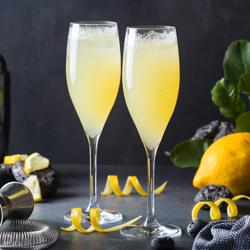
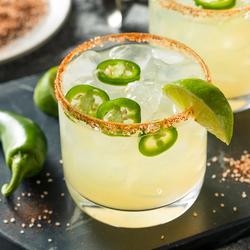
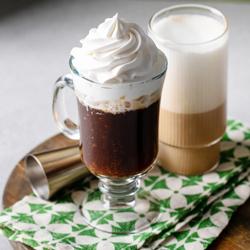
Virtual cocktail making classes with a chef bring the energy of a professional bar into your kitchen, without requiring a fully stocked home bar or years of practice. In a live online session, a chef or experienced mixologist typically walks participants through two or three cocktails, explaining how each ingredient affects the final drink and demonstrating techniques such as shaking, stirring, muddling, straining and balancing sweetness with acidity. Most classes run for roughly 45 to 90 minutes, giving everyone enough time to prepare, taste and adjust their drinks while following along from home. The best sessions feel interactive rather than like a recorded demonstration: participants can ask questions, compare results and learn small details that make a noticeable difference, such as chilling a glass before serving, expressing citrus oils over the surface or adding ice in a way that controls dilution. Some class options focus on classic cocktails, while others explore seasonal flavors, creative garnishes, spirit-free drinks or a particular style of mixology. A chef-led format can be especially helpful for beginners because the instruction goes beyond a recipe. You learn how to recognize balance, substitute ingredients when needed and understand why one technique works better than another. As the weather warms, bright citrus, fresh herbs and sparkling mixers can make an online gathering feel light and celebratory; during the cooler months, deeper flavors, warming spices and spirit-forward drinks create a more relaxed setting. These classes are designed to be enjoyed in a home kitchen, dining room or comfortable living space, making them an approachable way to spend an evening while learning something useful.
When choosing a virtual cocktail class, begin with the group and the kind of experience you want to create. Private online classes work well for birthdays, date nights, family gatherings, wedding celebrations, client events and team-building activities, while an open class can be a simple way to meet other curious home bartenders. For larger groups, look for clear information about the maximum number of participants, the length of the session and whether the chef can answer individual questions during the demonstration. Timing matters, too. A class that includes advance preparation may ask participants to chill ingredients, make a simple syrup or cut garnishes before the event, while a more streamlined option may keep every step within the live session. Ingredient access is another important consideration. Some classes offer kits shipped to participants with measured ingredients, syrups, garnishes and bar tools, which can make planning easier and help everyone work from the same materials. Other classes provide a shopping list so each person can purchase spirits, mixers, fresh citrus, herbs and ice locally. Shopping-list classes can be a flexible choice for guests with dietary preferences, specific spirit selections or an interest in using ingredients already at home. Before purchasing, review the required equipment and substitutions, especially if the class calls for a cocktail shaker, mixing glass, jigger, fine strainer or specialty garnish. A well-planned class should make those requirements easy to understand. It is also worth checking whether the experience is intended for beginners, whether recipes are provided afterward and whether zero-proof alternatives are included. Clear instructions, manageable ingredient lists and the chance to personalize a drink can turn a virtual class from a one-time activity into a skill you return to whenever friends gather.
Virtual cocktail making classes also make thoughtful gifts because they combine an experience with a practical skill. They suit the friend who enjoys hosting, the relative who likes trying new recipes, the couple planning a cozy night in or the colleague who could use a creative break from the usual routine. For a gift, consider the recipient’s preferred flavors and comfort level. Someone new to mixology may appreciate a class centered on recognizable cocktails and straightforward techniques, while an experienced home bartender may enjoy a deeper exploration of flavor pairing, presentation or cocktail history. A zero-proof class can be welcoming for guests who do not drink alcohol, and a flexible shopping-list format can make it easier to accommodate allergies, personal preferences and local availability. For group gifting, a shared class creates an occasion without requiring everyone to be in the same place; participants can join from separate kitchens, raise a glass on camera and compare their finished drinks at the end. The setup is simple but benefits from a little preparation. Choose a stable surface with enough room for a cutting board, glassware and ice, keep a towel nearby for spills and have water available throughout the session. Fresh citrus is best prepared close to class time, and large, solid ice usually gives a more polished result than small, quickly melting pieces. A quiet room, reliable internet connection and a camera positioned toward the work area help participants follow each movement. Whether the goal is a relaxed date night, a lively celebration or a useful team activity,
Interactive Cocktail Classes for Groups offer a guided way to learn, connect and enjoy well-made drinks at home. With a chef leading the process, even a first attempt can feel confident, personal and worth repeating.