Virtual summer salad making classes bring the best parts of a cooking lesson into your own kitchen, pairing the ease of online learning with the color, freshness, and flexibility of seasonal produce. These classes are designed to help home cooks turn familiar ingredients into complete, satisfying meals rather than an afterthought on the side of the plate. Depending on the format, a class may be live and interactive, with an instructor demonstrating techniques while participants cook along, or self-paced, allowing you to pause, revisit, and practice each step on your own schedule. Some sessions focus on foundational skills such as washing and drying tender greens, slicing produce evenly, cooking grains, or preparing ingredients ahead of time. Others explore more creative combinations, global flavor profiles, and restaurant-inspired presentation. A well-designed salad class often covers the details that make a dish memorable: crisp and creamy textures in the same bite, a thoughtful balance of sweet, salty, bitter, sour, and savory flavors, and enough protein or hearty ingredients to make the bowl feel like dinner. As the weather warms, ingredients such as ripe tomatoes, berries, stone fruits, cucumbers, tender greens, sweet corn, peppers, and fresh herbs make natural starting points. During the cooler months, the same techniques can be adapted to roasted vegetables, sturdy greens, grains, beans, and other ingredients that bring substance to a salad without losing its brightness.
When choosing a virtual summer salad making class, consider the pace, format, and level of guidance that will fit your kitchen routine. Live online workshops are a good choice for cooks who enjoy the energy of a shared experience and appreciate being able to follow along with a professional chef in real time. They can also make a thoughtful gift for a friend, relative, or colleague who enjoys cooking, especially when the class becomes an opportunity to spend an evening together from separate homes. Self-paced video classes suit learners who prefer a quieter approach or want to build confidence gradually; they are especially useful for beginners learning how to make a dependable vinaigrette, balance an emulsified dressing, or organize ingredients before cooking begins. Before enrolling, review the class description for the expected skill level, session length, ingredient list, equipment needs, and whether recipes or preparation instructions are provided in advance. A class that calls for everyday kitchen basics may be easier to fit into a busy household, while a more technique-driven lesson can be rewarding for experienced cooks looking to refine knife work, explore homemade sauces, or try methods such as grilling, roasting, marinating, or confiting. It is also helpful to consider dietary preferences and serving style. Classes featuring adaptable dressings, plant-forward proteins, gluten-free grains, or flexible substitutions can support a wider range of home menus. For cooks who enjoy outdoor meals and smoky flavors,
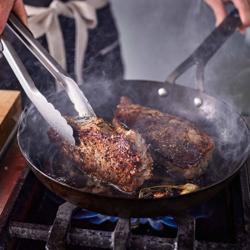
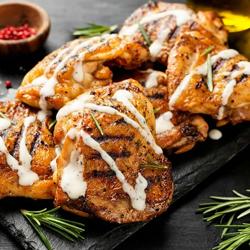
Virtual Summer Grilling Classes can complement salad-making skills by showing how grilled vegetables, seafood, poultry, or other proteins can become the centerpiece of a composed bowl.
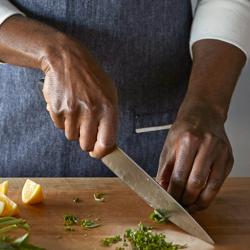
The right supporting kitchen essentials can make virtual learning feel smooth and enjoyable. A sharp knife and a stable cutting surface help with precise slicing, while a roomy mixing bowl leaves enough space to toss greens and additions without bruising them or sending ingredients over the edge. Measuring tools are useful when learning the proportions of oil, vinegar, citrus juice, mustard, yogurt, or other dressing ingredients, particularly because small adjustments can change the flavor and texture of the finished dish. A whisk, shaker, or tightly sealed container makes it easier to create a smooth dressing, and a spinner or clean kitchen towels can help remove excess water so vinaigrettes cling instead of sliding to the bottom of the bowl. If a class includes grains, noodles, roasted vegetables, or warm proteins, cookware and storage containers can support preparation before the lesson and make leftovers easier to enjoy later. Serving pieces also have a practical role: a wide, shallow vessel shows off layers of color and gives ingredients room to remain distinct, while individual bowls are convenient for family dinners, casual entertaining, or packed lunches. These classes can be a welcoming introduction for a new cook, a refreshing change for someone stuck in a dinner rut, or a relaxed gift for a host, graduate, newly moved friend, or anyone building a home kitchen. They are equally useful for experienced cooks who want new inspiration for Mediterranean grain bowls, Asian-inspired noodle slaws, herb-filled salads, or fruit-forward combinations with contrasting savory elements. With a few dependable techniques, a virtual lesson can continue paying off well beyond the class itself, helping turn whatever is fresh at the market—or already waiting in the refrigerator—into colorful, balanced meals during warm days and the cooler seasons that follow.