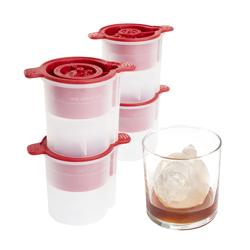
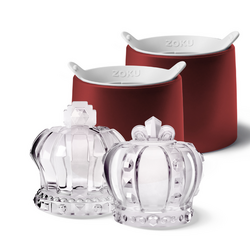
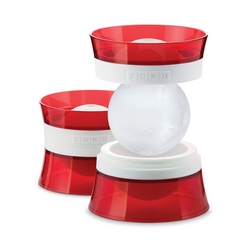
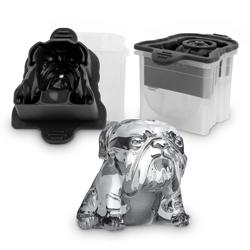
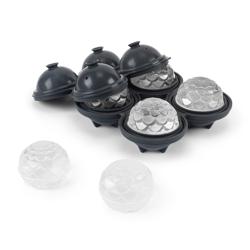
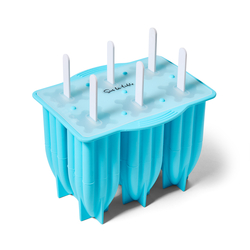
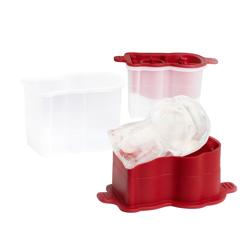
Cute ice molds are reusable trays or enclosed molds that freeze water into playful shapes, such as hearts, flowers, stars and animals, for cocktails, mocktails, iced coffee and other drinks. They add a small decorative touch without requiring an elaborate garnish or a complicated recipe. A recognizable shape can make a simple glass of sparkling water feel more festive, while a sculpted piece of ice gives a carefully mixed drink a distinctive finishing touch. The best fit depends as much on the drink and glass as on the design itself. Small shapes suit short glasses, narrow openings and drinks that benefit from several pieces of ice, while larger shapes need enough room to settle into a glass without becoming wedged against the sides. Shallow designs tend to show their details across a flat surface; deeper, three-dimensional molds create a more sculptural effect that can turn as the ice floats. Both styles can be charming, but their appearance changes once liquid enters the glass. Clear or lightly colored drinks generally make delicate outlines easier to see than opaque beverages. For a drink served with a straw, leave enough space around the ice for comfortable sipping rather than choosing a shape that fills the entire glass. Capacity matters, too: a tray that makes several small shapes can suit shared pitchers or a round of drinks, while individual molds make sense when only a few decorative pieces are needed. For households that enjoy casual entertaining, cute ice cube molds offer an easy way to carry a playful detail from the drink station to the table. They can also make an everyday iced tea or afternoon coffee feel a little more considered. The appeal is in that balance of usefulness and personality: the ice still chills the drink, but its shape adds something to notice before the first sip. A simple silhouette can be just as effective as an intricate design, especially when the goal is a shape that remains recognizable as it melts.
Material and construction influence how pleasant a mold is to fill, move and empty. Food-safe silicone is a common choice because its flexibility helps release curves, narrow points and textured surfaces without the force a rigid tray may require. A flexible mold with a supportive rim or base can be easier to carry to the freezer, particularly when several cavities are filled at once. Rigid plastic designs offer a different feel, with less bending during transport, although detailed shapes may require more care during release. For enclosed molds, the connection between the sections matters: a well-aligned seam helps preserve the intended shape, while a manageable fill opening makes preparation less fussy. Lids can help contain splashes and reduce exposure to freezer odors, but their presence does not necessarily mean a mold is leakproof or suitable for storing on its side. Overall dimensions deserve a look alongside cavity size. A broad tray needs a level patch of freezer space, and a tall mold may not fit beneath a low shelf. Flexible trays are often easier to support on a small, freezer-safe tray while moving them. Ice expands as it freezes, so marked fill lines and the manufacturer’s directions are more useful than filling every cavity to the brim. Durability also involves the design itself. Thin ears, pointed petals and other delicate details are more likely to break during release than rounded, substantial shapes. Silicone should flex without needing to be stretched aggressively, and sharp tools are best kept away from its surface. Care requirements vary, so dishwasher safety should be confirmed rather than assumed. Detailed cavities benefit from attention around seams and recesses, particularly after freezing anything other than water. Thorough drying before storage helps keep the mold ready for its next use. For someone who plans to make shaped ice frequently, straightforward cleaning and easy release may matter more than the most elaborate silhouette.
Intended use helps narrow the choice beyond appearance. Larger, more compact pieces generally melt more slowly than smaller pieces under similar conditions, though shape, total ice volume and the drink itself all affect dilution. Decorative ice is not automatically slow-melting simply because it is large or detailed; a shape with thin extensions can lose those details quickly. That makes sturdy silhouettes especially useful when the appearance needs to last through conversation. Smaller shapes have their own advantages, settling easily into everyday glasses and distributing ice throughout a drink. Plain water keeps flavors neutral, while coffee ice can complement iced coffee without adding more water as it melts. Juice-based ice adds color and flavor to sparkling water, though sweetness and acidity will change the drink as the ice dissolves, and mixtures with more sugar may freeze softer. Molds used for flavored ice need cleaning according to their care instructions, and strong flavors may be a reason to keep a separate mold for plain water. Clear ice is a separate consideration from a cute shape: an intricate cavity alone does not guarantee a transparent result, and ordinary home freezing often produces cloudy centers. For a more polished presentation alongside playful designs,
Fancy Ice Cube Molds offer another way to make the ice part of the drink’s presentation. As gifts, cute molds suit people who enjoy mixing drinks, setting a welcoming table or adding small personal touches to everyday routines. They can be a thoughtful housewarming gift or a cheerful addition to a home beverage station, especially when the design reflects the recipient’s interests. Practical details keep that gesture useful: consider the glasses they use, their freezer space and whether they prefer making one special drink or several at a time. A mold that fits those habits is more likely to become part of a regular routine, bringing a bit of character to everything from a celebratory mocktail to a familiar glass of iced coffee.