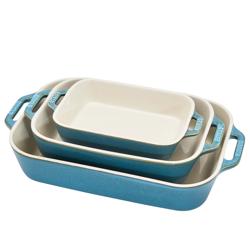
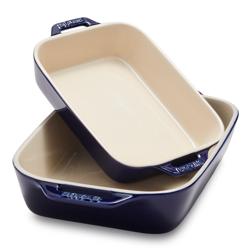
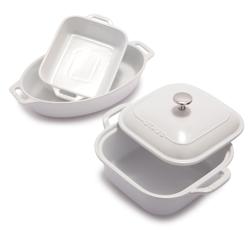
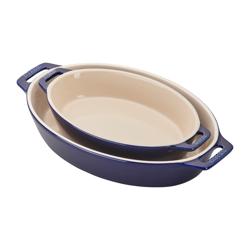
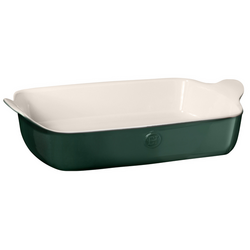
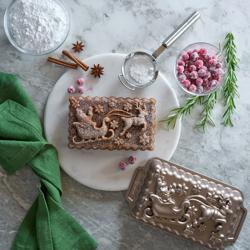
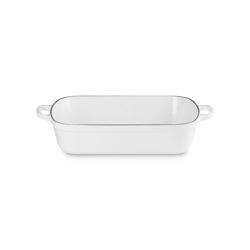
Baker sets bring complementary baking dishes together for everything from bubbling fruit crisps to roasted vegetables and family-size casseroles. A thoughtfully chosen set gives you room to cook for different appetites without relying on one dish for every recipe. A smaller baker suits a side of baked spinach or a crumble for two, while a larger dish holds layered pasta with enough room for sauce to simmer around the edges. For Cyber Monday browsing, the most useful starting point is how a set fits the meals you already enjoy making. Think about the recipes that earn a regular place at your table, whether that means baked oatmeal before a busy day, enchiladas for a casual gathering or a pear cobbler shared after dinner. Coordinated dishes can move from kitchen to table with a consistent look, but their everyday value comes from differences in shape, depth and capacity. Shallow bakers expose more of the food’s surface to oven heat, encouraging browned toppings and crisp edges. Deeper dishes leave space for generous layers and recipes that bubble as they cook. Rectangular shapes work well for neatly portioned servings, while round and oval shapes lend themselves to spooning and sharing. During the cooler months, those practical differences become especially welcome when the oven is handling several parts of a meal. One dish might hold a creamy gratin while another carries a baked dessert, each sized to suit the recipe rather than leaving too much empty space. Baker sets also make thoughtful gifts for someone establishing a kitchen, moving into a new home or taking on more family cooking. For an experienced home cook, useful sizes and comfortable handles may matter more than a large piece count. The best fit is a set whose components each have a clear purpose, with shapes that feel just as useful for an ordinary supper as they do for a table full of guests.
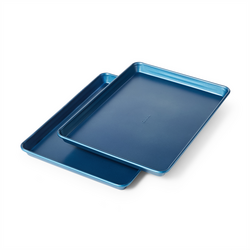
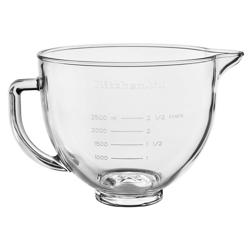
Material influences how a baker heats, how it feels in your hands and how you care for it between meals. Ceramic and stoneware baking dishes generally warm more gradually than metal and retain heat well, making them useful for casseroles, baked pasta and desserts served directly from the dish. Their weight can feel reassuring on the table, though a full baker may be substantial to lift. Glazed surfaces can help food release and simplify cleaning, but performance varies with the finish and the recipe; buttering or oiling the dish may still be necessary. Glass offers a clear view of browning along the sides and bottom, which can be helpful with layered dishes and baked desserts. Like ceramic, it requires attention to temperature changes and the manufacturer’s instructions. Metal bakeware generally responds more quickly to oven heat and is often well suited to recipes where structure and browning matter, such as cakes and bars. The type of metal, thickness and surface color all affect results, so a familiar recipe may need closer attention when it moves into a different pan. Darker finishes tend to encourage faster browning, while nonstick coatings can make delicate baked goods easier to release when used and cared for as directed. No single material is the answer for every recipe. A dish chosen for a bubbling casserole may behave differently from the pan used to bake a tender cake, even when their dimensions seem similar. Recipe compatibility matters as much as appearance: changing the depth or surface area changes how quickly the center cooks and how much moisture escapes. Capacity is especially important for saucy dishes, where leaving headroom helps prevent spills. Oven-safe temperature limits, broiler suitability, microwave compatibility and freezer use should all be checked separately rather than assumed from the material. A durable set combines construction suited to its intended use with care habits that protect its surface, edges and handles over time.
Fit extends beyond what goes into the dish. A baker needs to sit comfortably on an oven rack, leave room for heat to circulate and pass through the oven opening without an awkward tilt. Overall dimensions, including handles, matter when space is tight or several dishes need to cook together. Handles should offer a secure grip with oven mitts, especially when carrying a hot dish filled with sauce. Storage deserves the same consideration. Nesting shapes can save cabinet space, but a soft protector between pieces helps keep glazed surfaces and coated interiors from rubbing against one another. Lids, when included, may make it easier to cover leftovers, though their heat limits and storage requirements can differ from those of the baking dishes. For cleanup, let bakeware cool as directed before washing and soften stubborn baked-on food with a suitable soak rather than aggressive scraping. Avoid exposing hot glass or ceramic to cold water or placing it on a cold or wet surface, since sudden temperature changes can cause breakage. Nonabrasive cleaning tools are a sensible choice for many finishes, and nonstick surfaces generally benefit from utensils that will not scratch the coating. Dishwasher safety varies, so follow the care directions even when two dishes look alike. These small habits help preserve a set that may be used several times a week, from reheating a portion of baked pasta to preparing a full meal for company. Appearance has a practical role, too: a finish that works with your everyday dinnerware makes serving directly from the baker feel easy and leaves one less dish to wash. Set hot bakeware on a suitable trivet, provide enough room for guests to serve themselves and choose utensils that reach into the corners without damaging the surface. For pieces that complement an oven-to-table meal, the
Cyber Monday Serveware Sale page brings the focus to serving. Whether chosen for your own kitchen or as a gift, a baker set earns its place through manageable proportions, dependable performance and the simple pleasure of bringing something warm to the table.