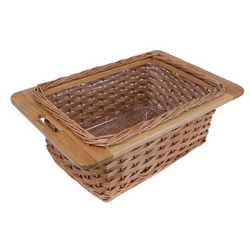
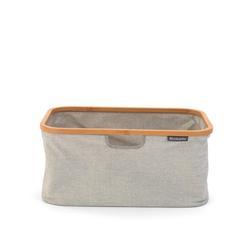
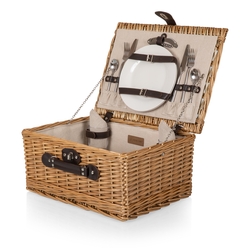
Decorative storage baskets give everyday essentials a place to land without making a kitchen, dining room or living space feel like a storage closet. A woven basket holding folded napkins can look right at home on a sideboard, while a low basket can gather packaged snacks that otherwise drift across a pantry shelf. Their appeal comes from that balance: useful storage with enough texture, color and shape to feel like part of the room. Natural fibers such as rattan, willow and seagrass often have subtle variations in tone and weave that add warmth beside smooth countertops, painted cabinetry and ceramic dinnerware. Wicker describes a weaving technique rather than a single material, so the feel and performance of a wicker basket depend on what it is made from and how it is constructed. Some woven baskets have a firm structure that holds its shape; others have more give, making them suitable for lightweight linens or soft accessories. Fabric and rope baskets offer another look, with softer sides that can feel at ease on an open shelf or beneath a console. Wire designs have a more open appearance and make contents easier to see, though the spacing between wires matters when storing small objects. A close weave helps conceal visual clutter, while an open weave allows a glimpse of what is inside. Neutral shades can sit comfortably alongside wood cutting boards and stoneware, and a darker basket can create a clear contrast against pale shelves. Shape contributes just as much as color: straight-sided baskets make practical use of shelf space, while rounded forms soften the lines of a cabinet or countertop. Small differences in construction, from a reinforced rim to a smooth interior, influence how a basket feels in daily use. The most useful decorative baskets look intentional even when they are simply holding the things that need to stay within reach. A repeated material can connect separate areas of a room without requiring every basket to match exactly.
Size and fit make the difference between a basket that earns its place and one that becomes another object to work around. For shelving, the outside dimensions matter most, including handles, a flared rim or a lid that extends beyond the base. A basket needs enough clearance to slide out comfortably, and a lidded design needs room to open without scraping the shelf above. Interior space can be smaller than the footprint suggests, especially with thick walls, tapered sides or a removable liner. Rectangular baskets often suit pantry shelves and cabinets because they sit neatly beside one another, while a shallow oval or round basket can work well as a catchall on a dining room console. Depth deserves attention, too. A low profile keeps tea packets, folded cloth napkins or small packaged foods visible; a deeper basket can contain bulkier linens but may hide smaller contents at the bottom. Open baskets are convenient for things reached for repeatedly, while lids can give less frequently used supplies a quieter presence on an exposed shelf. Handles are helpful when a basket moves between a pantry and a work surface, but their attachment and any stated weight limit should suit the intended load. A collection of lightweight snack bags places different demands on a basket than bottles or jars. Smooth edges and a snag-free interior are especially important around cloth napkins, dish towels and other textiles. For bread or other unpackaged foods, use a basket specifically intended for direct food contact and follow any requirements for liners. Storage baskets also work well alongside
decorative wall storage, giving frequently used essentials a place without putting everything on the countertop. In a smaller kitchen, that division can leave more room for chopping and mixing. In a shared household, a few clearly assigned baskets can make lunch supplies, coffee accessories or table linens easier for everyone to find and put away. Keeping each basket dedicated to a recognizable purpose helps the arrangement stay useful after the initial organizing is done.
Care and durability depend on the material, construction and setting, so decorative storage baskets benefit from a little attention to where they will live. Natural woven fibers generally do best in dry spaces with good airflow, away from splashes, persistent dampness and direct heat. A basket beside a sink may collect more moisture than expected, and one near a cooking surface can pick up grease that settles into the weave. Regular dusting with a soft brush or a vacuum’s brush attachment can help remove crumbs and loose debris before they work deeper into textured surfaces. Cleaning directions vary, so soaking, machine washing or using a wet cloth should never be assumed safe for every basket. Removable fabric liners can make cleanup more manageable when their care instructions allow washing, but the basket itself may need a different approach. Any damp-cleaned surface should dry fully before contents go back inside. Metal baskets also need care suited to their finish, particularly where joints or damaged coatings could be exposed to moisture. For frequent handling, a stable base, secure handles and an even rim are details worth noticing. Overfilling can strain a weave or distort softer sides, while dragging a rough base across furniture can leave marks; a suitable protective layer may help on delicate surfaces. These practical considerations matter just as much when choosing a basket as a gift. For a housewarming, a versatile shape and understated color can be easier to place than a large basket chosen for a very specific spot. A basket paired with table linens or other useful household essentials can feel personal without requiring a close match to someone’s décor. For a cook who likes a clear workspace, a place to gather towels or pantry supplies may be especially welcome. Decorative baskets are at their best when their appearance and purpose support each other: comfortable to handle, easy to place and well suited to the everyday objects they hold.