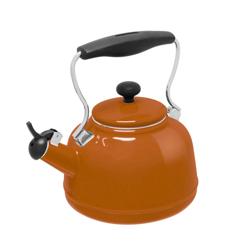
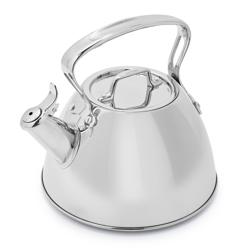
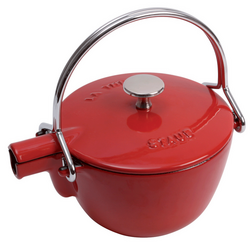
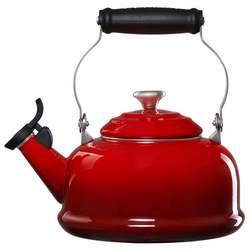
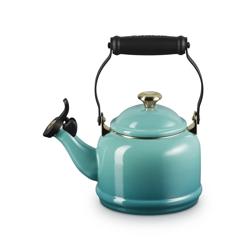
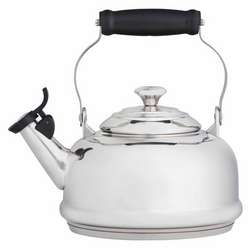
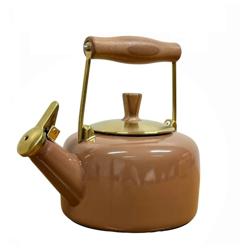
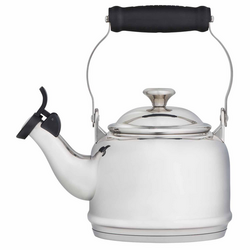
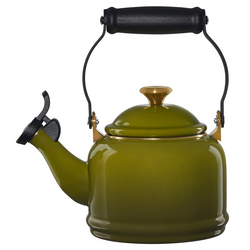
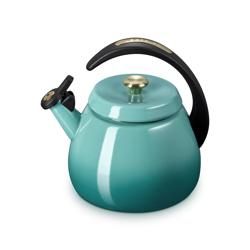
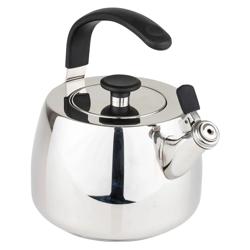
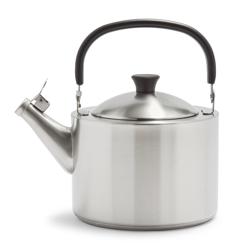
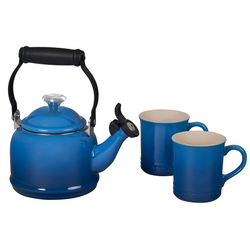
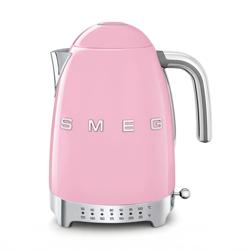
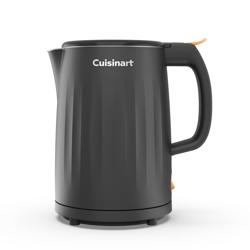
Decorative stovetop tea kettles combine water-boiling function with colors, patterns and shapes that make them a visible part of the kitchen. Unlike a teapot, which holds tea while it steeps, a stovetop kettle is designed to heat water directly on a compatible burner. That distinction makes a decorative kettle both a working kitchen tool and a finishing touch: something to reach for before breakfast, leave within sight between uses and bring into the daily rhythm of making tea or pour-over coffee. A rounded body and arched handle can lend a familiar, traditional feel, while a streamlined silhouette looks at home beside simple cabinetry and uncluttered countertops. Solid colors offer an easy connection to dish towels, dinnerware or a favorite utensil crock. Patterned finishes introduce more detail, especially in kitchens where the surrounding surfaces are understated. A glossy exterior reflects light differently from brushed metal, and even small choices, such as the shape of a lid knob or the curve of a spout, influence the overall look. The most satisfying choice feels connected to the room without needing to match every appliance. A kettle can echo one accent color, complement the finish of nearby hardware or stand apart as a deliberate focal point. Scale matters just as much as color. A generous, rounded kettle may suit a broad cooking surface, while a more compact shape leaves breathing room on a smaller range. For another perspective on form and finish,
Designer Stovetop Tea Kettles offers a related category to explore. Whether the preference is quiet and simple or bright and expressive, appearance works best alongside everyday usefulness. A decorative tea kettle should feel as natural in the hand when filling a mug as it looks resting on the stovetop.
Materials help determine a kettle’s appearance, weight and care needs, so the finish deserves a closer look beyond its color. Stainless steel is valued for corrosion resistance and everyday durability, with polished and brushed surfaces offering different visual effects. Polished metal can show fingerprints and water spots more readily, while brushed finishes tend to make those marks less noticeable. Enamel over a metal body creates a smooth surface that lends itself to rich colors and decorative patterns. Although durable with appropriate care, enamel can chip if struck or dropped, making gentle handling important around a hard sink or faucet. The metal beneath the finish and the construction of the base also matter for stovetop compatibility. Induction cooking requires a suitable magnetic base; a decorative coating alone does not establish whether a kettle will work. For gas, electric and smooth-top ranges, the manufacturer’s compatibility and heat recommendations remain the best reference. A flat, clean base is especially important on glass cooking surfaces, and lifting rather than sliding the kettle helps protect both surfaces. On a gas burner, the flame should stay beneath the base rather than rise around the sides toward the finish or handle. Moderate heat, when recommended by the manufacturer, can also help preserve decorative surfaces and handle components. Capacity is another practical detail that becomes noticeable with daily use. A smaller kettle may be comfortable for someone making a cup or two, while a larger one can support several mugs or a full teapot. Usable capacity depends on the marked maximum fill level, which leaves necessary room for boiling water and steam. The kettle’s empty weight is only part of the picture, since water makes a substantial difference when lifting and pouring. Balance, handle clearance and access to the filling opening all contribute to comfort. A secure grip and a lid that fits properly matter more over time than an ornamental detail that makes filling or pouring awkward.
The details that support a good pour are often the ones that make a decorative kettle a lasting favorite. A well-positioned handle provides room for a comfortable grip, while the spout’s shape influences how easily water reaches a mug or teapot without splashing. A narrow spout may offer more control for pour-over coffee, although a decorative profile alone does not guarantee the precision of a kettle designed specifically for that purpose. Whistling stovetop tea kettles add an audible signal when water boils, a useful feature during breakfast preparation or an afternoon tea break. Nonwhistling designs require close attention, and no stovetop kettle should be left heating unattended. Handle materials and construction can reduce heat transfer, but no handle should be assumed cool to the touch; follow the manufacturer’s directions and use a dry potholder when needed. Steam also calls for care around the spout and lid, particularly just after boiling. Day-to-day maintenance is usually straightforward when it becomes part of the routine. Let the kettle cool before cleaning, avoid sudden temperature changes and use gentle cleaning tools appropriate for the finish. Hand-washing is often recommended for decorative exteriors and mixed-material handles, though the specific care instructions should determine the method. Emptying leftover water and allowing the interior to dry helps limit standing moisture. Mineral deposits can develop inside kettles, especially in hard-water areas, so occasional descaling with a manufacturer-approved method helps keep the interior clean. Abrasive pads and harsh cleaners can damage glossy finishes or decorative details. These considerations are worth keeping in mind when choosing a kettle as a gift, too. For a housewarming or wedding, a stovetop tea kettle can be both personal and practical when its style suits the recipient’s kitchen and its base suits the cooktop. Frequent tea drinkers may appreciate an easy-to-fill opening and a clear whistle, while someone furnishing a compact kitchen may value a smaller footprint. A thoughtfully chosen kettle brings visual character to a familiar task without making that task more complicated.