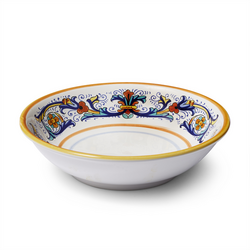
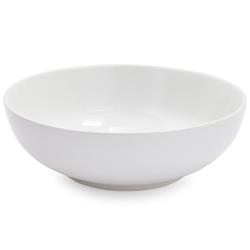
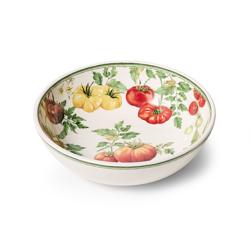
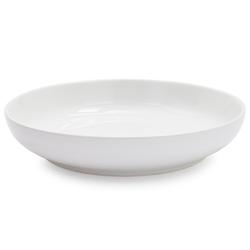
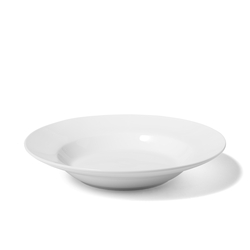
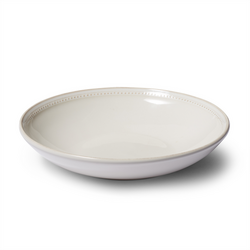
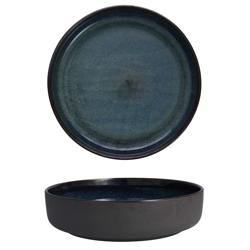
Deep pasta bowls are wide bowls with a generous eating surface and raised, curved sides that help contain pasta, sauce and toppings. They offer room to spread out a serving without letting a spoonful of ragù or a splash of broth slip over the edge. That balance makes them useful for everything from spaghetti with tomato sauce to stuffed ravioli, creamy risotto and hearty stews. Compared with a flat dinner plate, a deeper bowl keeps loose ingredients gathered where a fork or spoon can reach them. Compared with a narrow soup bowl, its broader opening gives noodles space to settle without becoming a dense pile. Long strands are easier to twirl when there is an open area for the fork, while short shapes such as rigatoni and orecchiette leave room for vegetables, beans or pieces of sausage. A gently sloped interior also makes it easier to gather the last bite of sauce with a piece of bread. Shape matters as much as overall size: a bowl with a broad rim can look substantial on the table while offering less room inside than its outside diameter suggests. A rimless shape brings more of that width into the eating area, while a defined rim provides a place to grip when carrying a filled bowl. For individual servings, comfortable proportions leave some space between the food and the edge rather than requiring the bowl to be filled to the top. Deep pasta bowls suit cooks who like generous sauces, households that serve meals in a single dish and hosts who want dinnerware that works beyond pasta night. They can hold grain bowls with roasted vegetables, substantial salads or a serving of braised chicken with its juices. Their appeal is practical as well as visual: the curved sides frame the meal, keeping a scattering of herbs or grated cheese close to the food instead of spread across the table.
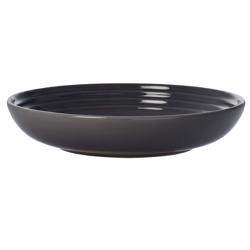
Material, weight and finish influence how deep pasta bowls feel in everyday use. Porcelain generally offers a refined appearance with a relatively smooth surface, making it a versatile choice for both casual meals and a more carefully set table. Stoneware often has a substantial feel, with glazes that can range from smooth and uniform to subtly varied. Earthenware can bring a relaxed, handcrafted character, though its care requirements and resistance to chipping depend on how it is made and finished. These material names alone do not establish whether a bowl is dishwasher safe, microwave safe or suitable for the oven; the maker’s care information is the best reference for those details. A glazed eating surface should feel comfortable beneath a fork and be easy to clean around the curve where the base meets the wall. Weight deserves attention, too. A heavier bowl may feel reassuring on the table, but it can be less comfortable to carry when filled or to lift from an overhead cabinet. A lighter bowl may be easier for frequent use, particularly when setting and clearing several places. Durability depends on construction, glaze and handling rather than thickness alone. Even substantial ceramic dinnerware can chip if its rim knocks against a faucet or another dish. Color helps establish the mood of a place setting without changing the menu. White and cream provide a neutral background for tomato sauce, green pesto and browned mushrooms, while darker finishes create a different kind of contrast. For a dramatic backdrop that pairs easily with simple linens and understated flatware,
black pasta bowls offer another direction. Glossy surfaces reflect light and emphasize the curve of the bowl; matte finishes have a softer appearance but may show utensil marks more readily, depending on the glaze. A consistent finish can bring a coordinated table together, while subtle variation adds interest alongside plain plates and clear glassware.
The best fit for a kitchen also depends on what happens before and after the meal. Deep pasta bowls need enough cabinet space for their height as well as their width, and nesting shapes can make a meaningful difference in a smaller cupboard. A stack that sits evenly is easier to handle than one that rocks or catches at the rims. Dishwasher fit is worth considering alongside storage: deeply curved sides and wide rims may take up more room between rack tines than a standard dinner plate. Where dishwasher use is permitted, leaving space between bowls helps water reach the eating surfaces and reduces contact that can lead to chips. For hand-washing, a soft sponge and mild dish soap are a sensible starting point, with any special glaze-care instructions taking priority. Letting dried sauce soften before washing is gentler than scraping it away with a sharp utensil. Avoid sudden temperature changes unless the manufacturer specifically allows them, and never assume that microwave-safe dinnerware is also oven safe. These small habits help preserve the finish and keep everyday bowls looking cared for. At the table, versatility often matters more than matching every piece exactly. Deep pasta bowls can sit comfortably beside existing dinner plates when their color, rim shape or overall feel shares something in common. A simple bowl can carry a relaxed meal of buttered noodles just as easily as handmade pasta with a carefully finished sauce. For households that serve different portion sizes, an open eating surface gives flexibility without requiring every bowl to be filled equally. A coordinated set also makes a thoughtful wedding or housewarming gift, particularly for someone building a useful dinnerware collection or a cook who enjoys gathering people around the table. The most lasting choice is one that suits those everyday routines: comfortable to carry, easy to store and generous enough to keep the meal neatly contained from the first forkful to the last spoonful of sauce.