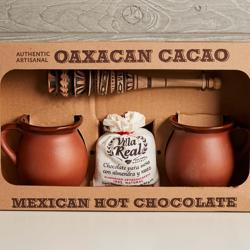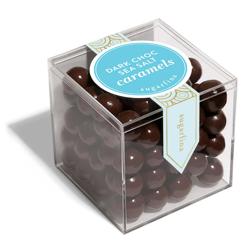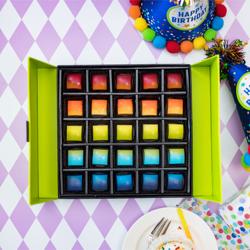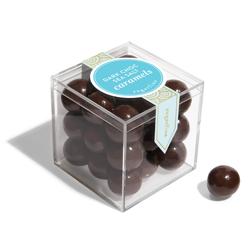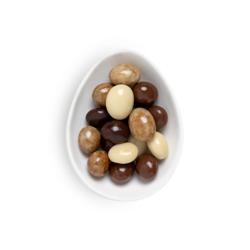
Delicious chocolates balance flavor, aroma and texture, whether the appeal is creamy milk chocolate, richly flavored dark chocolate or a smooth filling beneath a delicate shell. The most satisfying choice depends on personal taste as much as cocoa percentage: some people enjoy gentle sweetness and a mellow finish, while others prefer roasted, fruity or pleasantly bitter notes. Cocoa beans, their origin and the way they are fermented, dried and roasted all help shape those differences. Chocolate made with beans from one region may have a distinctive flavor, while a blend can bring several characteristics together. Neither approach alone guarantees quality. Careful chocolate making also matters, from refining the ingredients for a smooth texture to tempering the finished chocolate so it sets with an appealing sheen and a clean snap. Milk chocolate generally has a softer cocoa profile, with dairy ingredients lending creaminess and sometimes a caramel-like flavor. Dark chocolate puts cocoa more prominently in the foreground, although its sweetness and intensity vary considerably. White chocolate gets its character from cocoa butter rather than cocoa solids, offering a creamy base that works especially well with tart fruit or toasted nuts. Cocoa percentage is useful context, not a score: it indicates the proportion of cocoa-derived ingredients, including cocoa butter, rather than measuring how delicious a chocolate will be. Two chocolates with the same percentage can taste quite different because of their recipes and processing. Texture adds another dimension. A crisp shell followed by soft ganache creates a different experience from the lingering chew of caramel or the crunch of a roasted nut. For someone who enjoys familiar desserts, those contrasts may matter more than an unusual cocoa origin. For an adventurous chocolate lover, subtle changes in aroma and finish can make a simple, unfilled piece especially interesting. A thoughtful selection starts with the flavors and textures the person eating it already enjoys, then leaves a little room for discovery.
Choosing chocolates for everyday enjoyment, sharing or gifting is easier when the occasion helps narrow the possibilities. A small treat alongside an afternoon coffee calls for something satisfying in a bite or two; an after-dinner assortment benefits from a mix of textures and intensities that gives everyone a comfortable starting point. Creamy centers, toasted nuts, buttery caramel and fruit flavors each bring something different to the table. A touch of salt can balance sweetness, while a tart filling can provide contrast to a rich chocolate shell. When the appeal is a deeper cocoa flavor,
Luxury Dark Chocolates are a natural direction to explore, with cocoa percentage and tasting descriptions helping distinguish mellow profiles from more intense ones. For gifts, fit means matching the recipient’s preferences rather than assuming that darker, more unusual or more elaborately presented chocolate is always better. Someone who consistently chooses milk chocolate may appreciate a beautifully balanced, creamy confection more than a strongly bitter alternative. A varied assortment can suit a household with different tastes, while a more focused selection makes sense when a favorite flavor is well known. Presentation matters, too: a sturdy box with separate compartments helps protect delicate shells and keeps distinct flavors easy to identify. Individually wrapped pieces can be convenient for a shared treat bowl or for enjoying a little at a time. During the cooler months, chocolates feel at home beside warm drinks, on a dessert plate or tucked into a host gift that can be opened after dinner. Consider the recipient’s dietary needs with equal care. Dark chocolate is not automatically dairy-free, and chocolates may contain milk, peanuts, tree nuts, wheat or other allergens in their fillings or added ingredients. Ingredient lists and allergen statements are more dependable than appearances or broad flavor descriptions. For recipients with dietary restrictions, look for clear labeling and suitable certifications rather than making assumptions. Likewise, when cocoa sourcing is important to the gift, specific sourcing information and recognized certifications offer more useful context than words such as “premium” or “artisan” alone.
Good care helps preserve the qualities that make chocolate worth savoring. Unlike a durable kitchen tool, chocolate is sensitive to its surroundings, and freshness matters more than keeping it indefinitely. Store it in a cool, dry place away from sunlight, heat and strong odors, keeping the original wrapping or a well-sealed container in place. A cupboard away from the oven is usually a better choice than a bright countertop or a shelf beside the stovetop. Filled chocolates often have a shorter shelf life than solid chocolate, particularly when their centers contain moisture-rich ingredients, so follow the package’s storage directions and best-by information. Refrigeration is not the default solution because moisture and nearby food odors can affect chocolate’s surface and flavor. If the maker recommends refrigeration or a warm room makes it necessary, seal the chocolate well and let it return to room temperature before opening the container to help limit condensation. Pale streaks or a whitish surface can be bloom, caused by changes in cocoa butter crystals or by moisture affecting surface sugar. Bloom is generally a quality issue rather than a safety concern on otherwise properly stored chocolate, but it should not be confused with spoilage in a perishable filling. Protect chocolates from crushing when carrying them to a gathering, and avoid leaving them in a warm car even when the weather outside feels cool. At serving time, let chilled chocolate lose its refrigerator chill so its aroma and texture can develop more fully. Offer modest portions after a rich meal, or arrange a few contrasting flavors where guests can see the filling descriptions. Plain water between pieces helps keep flavors distinct, and unsweetened coffee or tea can provide a welcome counterpoint to sweeter chocolates. Ready-to-eat confections are designed for snacking and sharing; filled pieces are not interchangeable with plain baking chocolate in recipes, where added sugar, fats and fillings can change the result. Their easiest use is often their best: a finishing touch beside a pear dessert, a small plate passed around the table or a quiet treat enjoyed slowly enough to notice the cocoa, the filling and the finish.