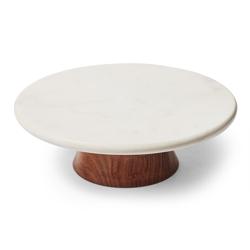
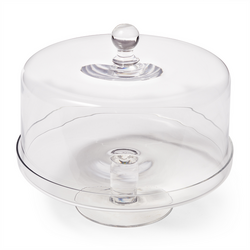
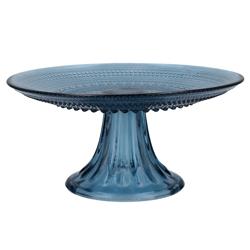
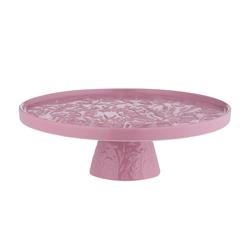
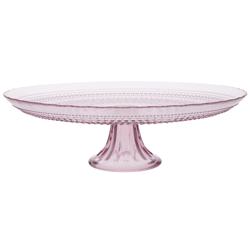
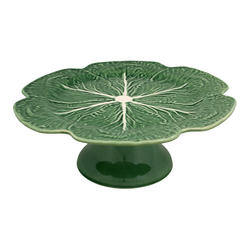
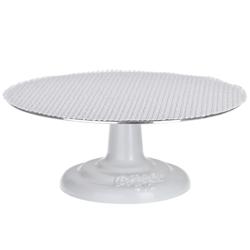
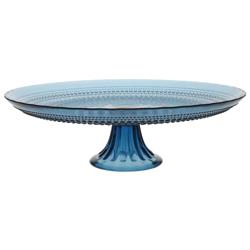
Dinner hosting cake stands do more than lift a dessert above the table. They give the final course a sense of occasion, create a visual centerpiece and make it easier for guests to serve themselves without crowding the rest of the meal. A frosted layer cake, fruit tart or batch of cupcakes feels more thoughtfully presented on a raised surface, where its shape and decoration can be seen from every seat. During the warmer part of the year, a cake stand can hold a berry-topped pavlova or a chilled cheesecake for a relaxed outdoor dinner. As the weather cools, it can display a spiced bundt cake, a pear tart or small pastries beside coffee and tea. The right style can also help establish the mood of the table: clear glass feels light and classic, white porcelain suits a more polished setting, natural wood brings warmth to a casual gathering and metal or geometric designs add height and modern character. For an especially refined presentation, explore
Elegant Cake Stands. A pedestal is useful when the dessert is meant to be the focal point, while a low, broad server may be more practical for a buffet where guests need an unobstructed view of the food. Tiered stands make good use of vertical space, arranging cookies, petit fours, macarons or fruit on separate levels rather than spreading everything across the table. They are particularly helpful when dinner already includes serving bowls, wine glasses and place settings, since a little height can make a crowded surface feel more organized. Riser-style designs can be grouped with other serving pieces to create a layered tablescape, and some can be separated or nested for simpler storage between gatherings.
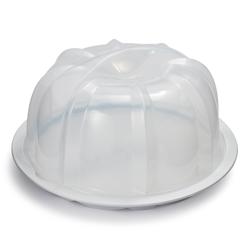
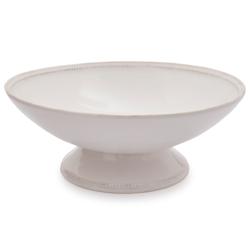
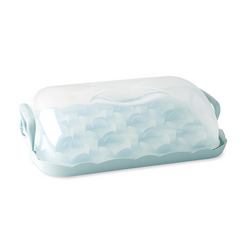
When choosing a cake stand for dinner hosting, begin with the size and weight of the desserts you serve most often. For a standard cake or tart, look for a flat surface at least 11 to 12 inches across so the dessert sits securely without its frosting or crust extending over the edge. A wide rim can frame the cake attractively, but too much decorative detail around the plate may make slicing awkward. Consider the height as well. A tall pedestal creates drama and keeps the dessert visible behind plates and serving dishes, while a shorter stand is easier to reach across a dining table and may be more stable for heavy cakes. The base should feel balanced, with enough weight and width to prevent tipping when someone cuts a slice. If you often serve layered cakes, cheesecakes or desserts with delicate toppings, a smooth, level plate and sturdy stem are especially important. A covered cake stand or one with a dome is a practical choice for hosts who like to finish dessert before guests arrive. The cover helps protect food from dust, curious fingers and kitchen traffic while keeping the cake visible and ready to serve. It also lets you move the dessert from the kitchen to the dining room in one piece. Glass domes offer an appealing view from all angles, while opaque covers provide a little more protection from light. Before buying, check the clearance inside the cover if you tend to decorate cakes generously with tall frosting swirls, fruit or candles. Some covered designs may also be used in reverse as a serving bowl, although the shape, stability and care instructions should be checked before using one that way. Material matters for both appearance and everyday upkeep. Glass and porcelain pair easily with formal dinnerware and make colorful desserts stand out. Wood adds an inviting, natural note and may work equally well as a cake server or a board for cheese, crackers and fruit when the design is reversible. Metal stands are often light enough to move easily and can bring a sculptural accent to the table. Whatever the material, look for a surface that is simple to wipe clean and a construction that does not wobble under pressure.
Cake stands are useful well beyond a single celebration, which makes them a thoughtful gift for a new homeowner, an enthusiastic baker or anyone who enjoys welcoming friends around the table. A host who has plenty of cookware may still appreciate a serving piece that improves the presentation of food without taking up much preparation time. It can become the dependable piece brought out for birthdays, dinner parties, holiday meals, afternoon coffee or an impromptu dessert shared after a weeknight supper. For someone building a collection of entertaining essentials, a versatile stand may be more useful than a highly specialized piece. A reversible server, a design with a removable cover or a tiered stand that separates for storage can adapt as hosting habits change. Think about the recipient’s home and entertaining style: a compact design suits a small kitchen or apartment, while a substantial pedestal makes sense for someone who regularly hosts larger groups. Neutral materials and straightforward shapes blend with changing table linens and dinnerware, allowing the stand to move from a late-summer supper outdoors to a cozy fall gathering indoors. Storage is another practical consideration. Measure the available cabinet or shelf space, especially for stands with tall domes or fixed tiers, and look for stackable parts when possible. For care, follow the maker’s instructions rather than assuming every stand is dishwasher safe. Hand-wash delicate glass, painted finishes, wood and pieces with attached hardware when recommended, then dry them thoroughly before storing. Use a sharp, steady knife and a cake server when slicing directly on the plate, and place a protective mat beneath heavier pieces if your table is easily scratched. With thoughtful sizing, stable construction and a style that suits the room, a cake stand becomes part of the rhythm of hosting—quietly ready in the background, then suddenly transforming a simple dessert into the moment everyone gathers around.