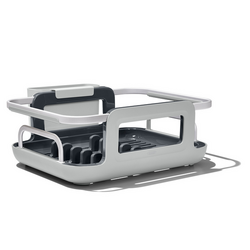
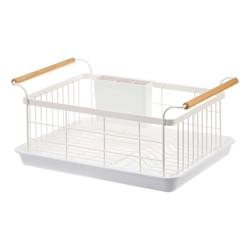
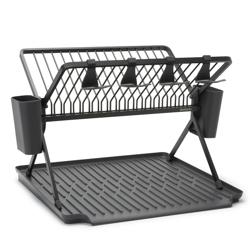
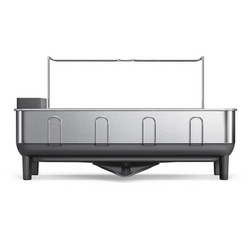
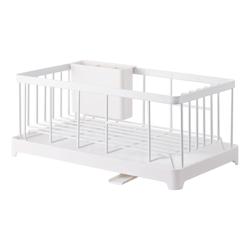
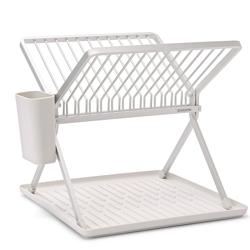
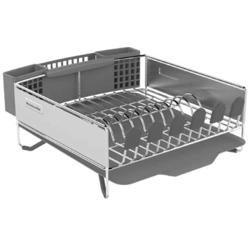
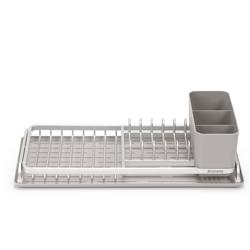
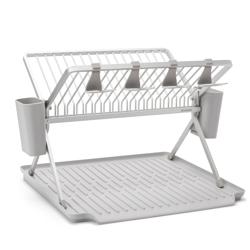
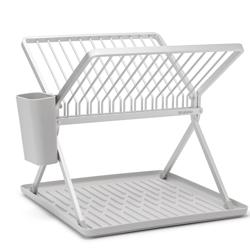
Dish racks for hand washed dishes make the everyday work of washing up feel more orderly while helping plates, glasses and cookware dry with less mess. A well-designed rack gives each item a place to rest, allows air to circulate and directs water away from the counter so you are not left with a damp towel or a puddle beneath the sink. When choosing a
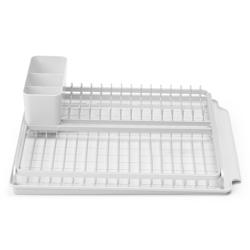
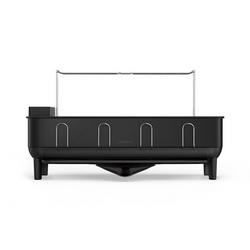
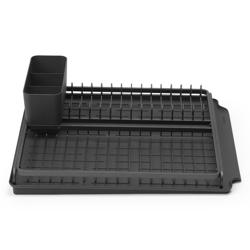
Dish Rack, start with the space around your sink. Measure the available length and depth, including the room needed to open cabinets, turn on the faucet and set down a plate or cutting board. A compact rack can be a smart choice for a small apartment, bar sink or kitchen with limited counter space, while a larger design may be more useful for a busy household that washes cookware, dinnerware and glassware by hand. Consider how you actually clean up after a meal. If you usually wash a few cups and plates as you go, a streamlined rack may be all you need. If a Sunday supper leaves you with a stack of plates, serving bowls and sauté pans, look for a roomy design with separated sections that keeps pieces upright rather than piled together. Plate slots help prevent dishes from leaning against one another, while a raised area or open frame can give pots and pans the clearance they need to dry. A separate utensil holder is helpful for keeping forks, knives and cooking tools contained, especially when small items might otherwise slip through the rack and collect water. For households that hand-wash delicate glassware, choose a layout that provides stable support and enough space between pieces to reduce contact. Thinking through these simple routines makes it easier to find a rack that fits your kitchen instead of one that takes up valuable counter space without keeping up with your dishes.
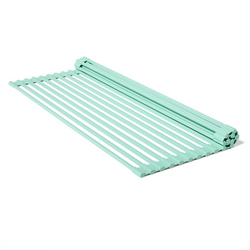
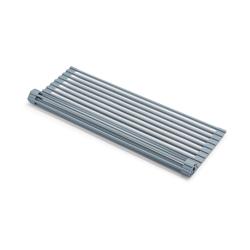
Drainage is one of the most important details in a rack for hand washed dishes. A drainboard with a gentle slope can guide water toward the sink, while an integrated spout can direct runoff into the basin and help prevent standing water from gathering beneath the rack. Some designs offer a movable or rotating drainage outlet, which is useful when the rack can sit on either side of the sink or when the angle of your counter requires a different setup. Over-the-sink styles make use of the space above the basin and let water drip directly into it, making them especially practical in narrow kitchens. They can also provide a convenient place to rinse and dry produce or set down a few washed utensils, provided the size and weight capacity suit the task. Expandable designs can adapt when you are washing a large pot or a full load of dinnerware, then reduce in size when only a few items need drying. Folding racks are convenient for kitchens where the counter needs to serve several purposes, since they can be tucked into a cabinet, pantry or utility drawer after use. A drying mat can offer a softer surface for delicate pieces, but it needs to be spread flat and dried regularly to discourage lingering moisture. Whatever style you choose, look for feet or a raised base that keeps the dish-holding surface above the counter and allows air to move underneath. Stainless steel and other rust-resistant metals offer a durable, open design that dries quickly, while coated metal can add a layer of protection and a clean look. High-quality plastic is lightweight and easy to wipe down, making it useful for renters, dorm rooms and households that prefer a rack they can move easily. The best material depends on how often you wash dishes, how much weight the rack will hold and how simple you want cleanup to be. Smooth surfaces, removable drainboards and detachable utensil cups are all useful features because they make it easier to rinse away food particles and dry the rack itself.
A dish rack can be a thoughtful practical gift for someone settling into a new home, outfitting a first apartment or updating a kitchen after a renovation. It is also a useful choice for students, newlyweds and anyone who prefers hand washing to using a dishwasher. In a guest kitchen or vacation home, a sturdy rack helps visitors keep the sink area neat without having to learn a complicated setup. During the warmer months, an open rack can make quick work of the glasses and serving pieces used for casual meals, outdoor entertaining and fresh produce preparation. As the weather cools and more cooking moves indoors, a larger capacity rack can be especially welcome when soup pots, baking dishes and everyday dinnerware are being washed by hand. Before giving one as a gift, it is helpful to think about the recipient’s kitchen layout and habits. Someone with a deep single-basin sink may appreciate an over-the-sink design, while a cook with generous counter space may prefer a roomy rack with dedicated areas for plates and utensils. A person in a small home may value a folding or expandable option that disappears when the dishes are dry. For a clean, efficient setup, place the rack close enough to the sink that water does not trail across the counter, but leave room to load dishes without bumping the faucet or backsplash. Rinse away crumbs before placing items inside, position plates so their surfaces are exposed to air and avoid nesting bowls or cups together while they are still wet. Empty the rack once everything is dry, wipe the drainboard and wash the frame as needed according to its care instructions. These small habits help reduce odors, protect countertops and keep the dishwashing area ready for the next meal. With the right footprint, drainage system and storage features, a dish rack turns hand washing into a smoother part of the kitchen routine—one that keeps clean dishes visible, organized and ready to put away.