-
(112)
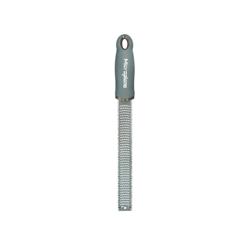
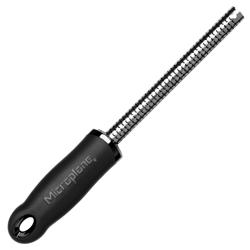
A eucalyptus-colored grater with a soft-touch handle for effortless zesting and grating.
-
(54)
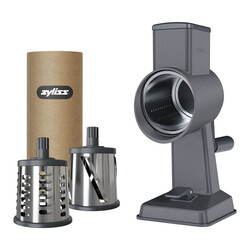
A versatile tabletop grater with three stainless steel drums for efficient slicing and chopping.
-
(17)
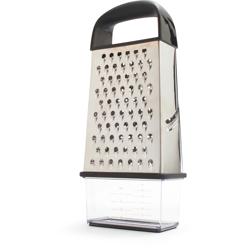
A versatile box grater with five grating surfaces, a removable catch basin, and razor-sharp blades.
-
(16)
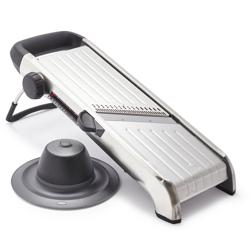
A versatile stainless steel mandoline with multiple blade options for slicing and julienning fruits and vegetables.
-
(14)
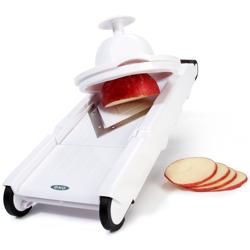
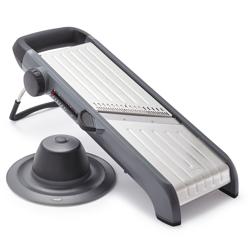
A versatile mandoline slicer with adjustable thickness settings and stainless steel blades for easy slicing and cleaning.
-
(13)
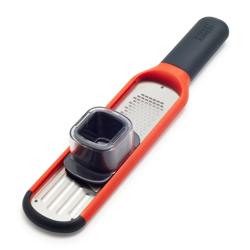
A compact orange grater and slicer that effortlessly grates small aromatics and spices for quick meal prep.
-
(12)
A durable stainless-steel box grater with four coarseness settings, a storage container, and non-slip base.
-
(12)
A durable stainless steel grater with sharp blades for shredding carrots and cheese effortlessly.
-
(10)
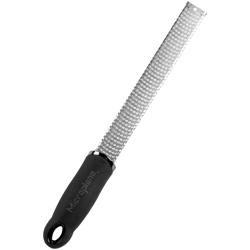
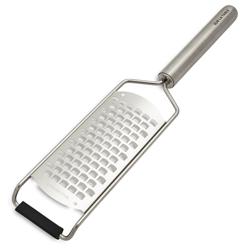
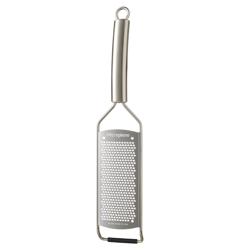
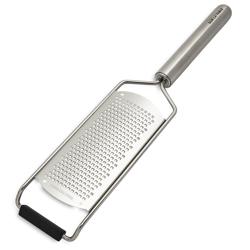
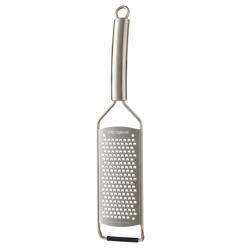
A professional-grade fine grater with an ultra-sharp stainless steel blade and nonslip edging for stability.
-
(8)
A durable stainless steel rasp grater for effortlessly grating hard cheeses, citrus zest, and spices.
-
(8)
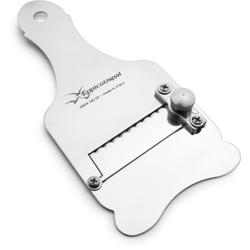
A durable stainless steel slicer/shaver for truffles, chocolate, and more, with adjustable thickness and dishwasher-safe convenience.
-
(8)
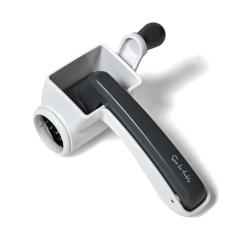
A white stainless steel rotary grater that effortlessly shreds hard cheeses for salads, soups, and pastas.
-
(8)
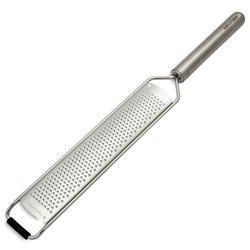
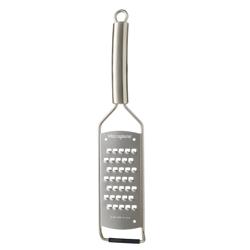
An ultra-sharp, stainless steel grater with nonslip edging, ideal for extra coarse grating tasks.
-
(6)
A versatile silver stainless steel box grater with multiple surfaces for zesting, slicing, and grating.
-
(6)
A silver stainless steel grater with razor-sharp blades for quick and easy zesting and grating.
-
(6)
A black spice grater with non-clogging teeth for grating spices, cheese, and zesting citrus fruits.
-
(5)
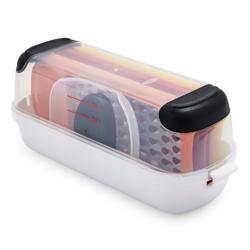
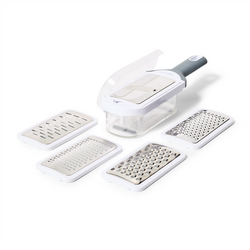
A handy mini set with slicer, medium grater, coarse grater, finger guard, and storage bin.
-
(5)
A durable stainless steel grater with ultra-sharp coarse blade and nonslip edging for stable, everyday use.
-
(4)
A versatile mandoline with adjustable slice thickness and julienne settings, featuring hardened stainless-steel blades.
-
(3)
A versatile 5-in-1 grate and slice set for perfect consistency, suitable for garlic, ginger, cheeses, and citrus zest.
-
(1)
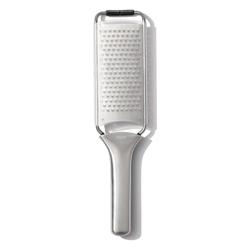
A silver stainless steel hand grater with sharp, etched teeth for effortless grating.
-
(10)
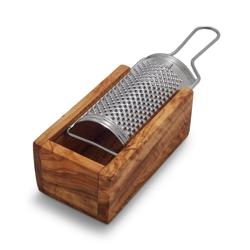
A beautiful olivewood cheese grater that elevates pasta night with its sharp metal grate and convenient olivewood box.
-
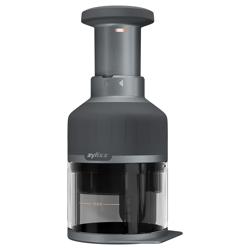
A gray stainless steel chopper that delivers quick, even cuts with a rotating blade and built-in container.
-
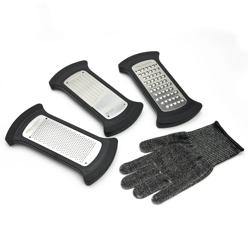
A versatile black stainless steel set featuring fine and extra coarse graters, slicer, covers, and cut-resistant glove.
Dishwasher Safe Food Graters
Dishwasher safe food graters make meal prep and cleanup easier, offering a practical solution for grating cheese, vegetables, chocolate, and more. With a variety of styles and sizes available, these graters are designed to handle everyday kitchen tasks while saving you time at the sink. Explore options that fit your cooking routine and enjoy the convenience of dishwasher safe food graters in your kitchen.


Dishwasher Safe Food Graters
-
"This grater is great. I especially love the clear box you can attach to the bottom"
-
"Great quality and ergonomic. Love using it for washing fruits and for pasta"
-
"Love it ! Best zester I've had"
-
"This is my first cast iron grill pan, although I have five other pieces of Le Creuset, which I love"
-
"Best shredder I've ever owned. Sturdy and easy to clean"