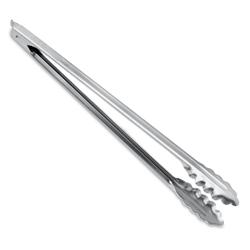
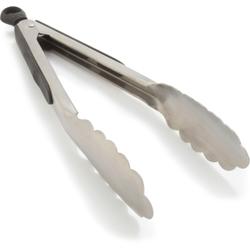
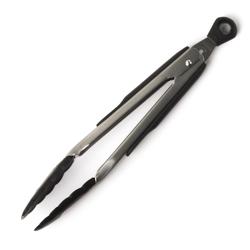
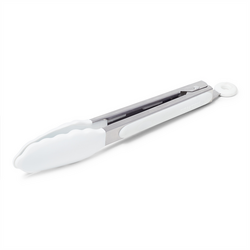
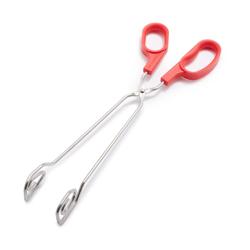
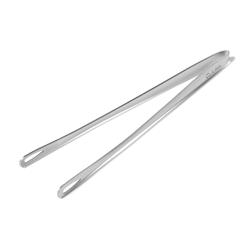
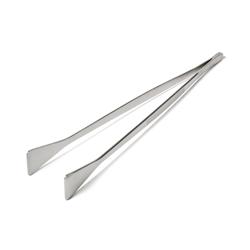
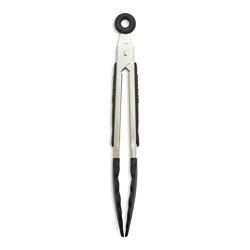
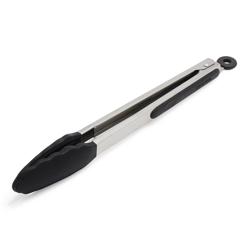
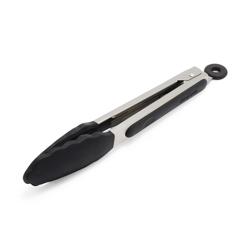
Dishwasher-safe metal tongs are kitchen tools designed to grip, turn and serve food, then go into the dishwasher for cleanup when used according to their care instructions. Stainless steel is a common choice because it resists corrosion, handles everyday kitchen use well and provides the firmness needed to lift food without excessive flexing. For cooks moving between a hot skillet, a sheet pan and a serving platter, a well-balanced pair can become one of the most frequently reached-for tools in the kitchen. Metal tips slip beneath browned vegetables, grasp the edges of a pork chop and help turn chicken pieces without piercing them. Scalloped edges can offer purchase on slippery foods, while broader tips provide more support beneath larger portions. The shape matters as much as the material: narrow ends offer precision when arranging asparagus on a platter, while wider ends are useful for gathering roasted potatoes or lifting a substantial piece of meat. All-metal tongs are generally best suited to stainless steel cookware, cast iron and other surfaces approved for metal utensils. For nonstick pans or delicate coatings, metal-bodied tongs with silicone tips may be a better fit, provided both the tips and the complete tool are rated for the intended use and dishwasher cleaning. Metal construction alone does not establish a tool’s heat limit or care requirements, particularly when handles, grips or tips include other materials. Checking those details helps match the tongs to the cooking that happens most often at home. A cook who sears meat regularly may prioritize firm metal ends and a secure grip; someone who makes eggs, sautéed vegetables and quick skillet dinners in nonstick cookware may put surface protection first. During the cooler months, when trays of roasted squash and hearty skillet suppers make frequent appearances, tongs offer a practical way to turn ingredients, portion food and move dinner from the pan to the plate.
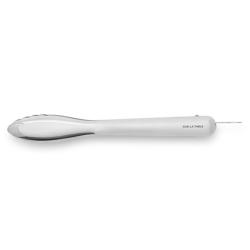
Length, spring tension and handle shape all influence how comfortable metal kitchen tongs feel in use. A 9-inch pair often provides close control for smaller pans, tossing individual portions and serving at the table, while a 12-inch pair gives more reach across a larger skillet or roasting pan. Longer handles can help keep hands farther from hot food, but they also take up more storage space and may feel less precise when handling smaller ingredients. Reach should suit the task rather than simply be as long as possible; extra length is not a substitute for an oven mitt when handling hot cookware. The best fit lets the hand close the tips securely without an awkward stretch or repeated strain. A spring that is too stiff can become tiring while turning several batches of vegetables, and handles that flex too much may make heavier foods feel less secure. Look for tips that meet evenly and a handle shape that feels steady in the hand. Textured or nonslip grip areas can be helpful, though their presence does not replace the need to keep hands and handles free of grease. A locking mechanism is another useful consideration, especially in a crowded utensil drawer. Pull-tab locks and other closure designs keep the arms together for storage; the important detail is whether the mechanism opens and closes easily without getting in the way during use. Hanging loops may suit kitchens with utensil rails, while a compact closed shape is convenient beside spatulas and serving spoons. At the table, a shorter, easy-to-squeeze pair can make it simpler to serve rolls, gather green beans or transfer sliced meat to a plate. For leafy greens and shared salad bowls,
Stainless Steel Salad Tongs offer a serving-focused option, with the shape of the ends helping determine how gently leaves and toppings are gathered. Matching the tool to the food makes a noticeable difference: delicate salad leaves benefit from gentle pressure, while a slippery roasted pepper needs a more deliberate grip.
Dishwasher-safe construction makes frequent use more convenient, but thoughtful care still contributes to the long-term performance of metal tongs. Follow the care instructions for the whole tool, not just the stainless steel portions, and check whether any placement or temperature restrictions apply. Remove larger food remnants before loading, arrange the tongs so water can reach the tips and hinge and avoid wedging them tightly between other utensils. If the design and loading instructions allow, leaving the arms open can help expose surfaces that collect oil, sauce and small bits of food. After washing, let the tool dry fully before closing it and putting it away, paying particular attention to water held around the hinge or locking mechanism. Stainless steel is corrosion resistant rather than corrosion proof, so prolonged contact with salty or acidic residue is best avoided. Harsh abrasives and chlorine bleach can damage stainless steel finishes; use cleaning methods recommended for the tool instead. Durability also depends on construction. A solid connection at the hinge, smoothly finished edges and tips that remain aligned are useful qualities for a tool expected to handle daily cooking. Periodically check for loose parts, rough spots or damaged grips, and replace tongs that no longer hold food securely. Good kitchen habits matter during cooking, too. A pair used to handle raw meat should be thoroughly cleaned before touching cooked food, or a separate clean pair can be set aside for serving. Tongs are helpful for lifting and turning, but a spatula may provide better support beneath fragile fish or a tender patty that could break under pressure. For a first apartment, a newly shared kitchen or a practical housewarming gift, dishwasher-safe metal tongs make sense for anyone building a useful collection of everyday utensils. Experienced cooks can appreciate them just as much, particularly when separate pairs keep prep, cooking and serving tasks moving smoothly. Choose around the recipient’s cookware, hand comfort and usual meals, with dependable grip and straightforward care taking priority over unnecessary extras.