-
(24)
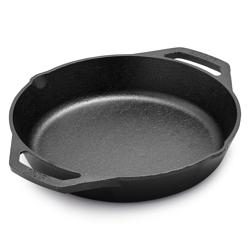
A 10.25" double-handled cast iron skillet in black, pre-seasoned and perfect for breakfast buffets or dinner parties.
Pros: perfect size, lightweight, right size
-
(52)
A generously sized cast iron plancha that offers the best searing for juicy, tender results.
Pros: versatility, easy to clean, even heating
-
(23)
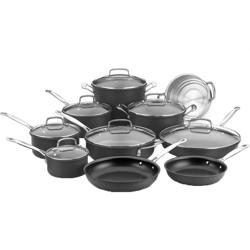
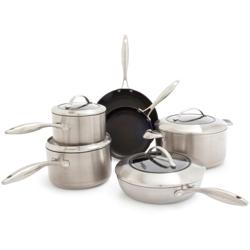
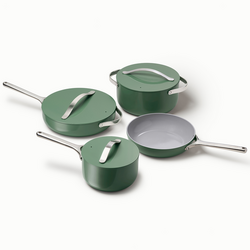
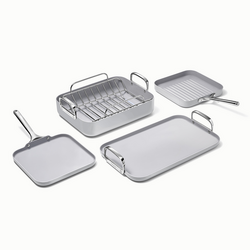
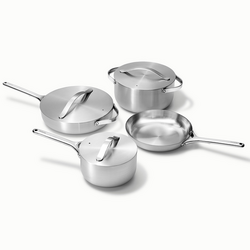
A 10-piece nonstick cookware set with 5-layer clad-aluminum construction, ceramic titanium nonstick surface, and stay-cool stainless-steel handles.
Pros: easy to clean, durable, quality
-
(6)
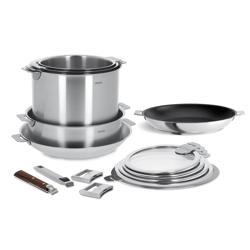
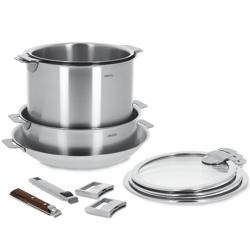
A 15-piece cookware set with detachable, interchangeable handles, flat lids, and nesting capabilities, made in France.
Pros: space-saving, quality, easy to clean
-
(1)
A breakthrough cookware set with detachable handles, flat lids, and nesting capabilities, made in France.
Pros: durable, compact, handles don't get hot
Double Handle Cookware
Double-handled cookware is a popular choice among home cooks and professional chefs alike. With two handles, this type of cookware offers a variety of benefits that make it a great choice for almost any kitchen. From increased maneuverability to improved safety, double-handled cookware is a great choice for almost any kitchen. Here are some great options.

Double Handle Cookware
FAQ List
Double handle cookware is a type of cookware that features two handles instead of one. This can make it easier to maneuver and transport from the stove to the oven or serving dish.
Double handle cookware is often made from durable materials like stainless steel, cast iron, or copper.
Double handle cookware can be a great choice for anyone who frequently cooks larger or heavier dishes, or who wants added stability and control in the kitchen.
One potential downside of double handle cookware is that it may not fit easily in some dishwashers or storage spaces. Additionally, some people may find the second handle to be unnecessary or cumbersome.
It depends on the specific cookware and the type of stovetop. Some double handle cookware may not be compatible with induction stovetops, for example. Always check the manufacturer's instructions before using any cookware on a new stovetop.
-
"Great product . Heat perfectly evenly. Best for the price"
-
"I have had several different pans over the last 30 years and these are the BEST!!! Thank you Santa"
-
"Love my new set of All Clad! Absolutely the best! Thank you"
-
"great pan until it started to delaminate I call Viking and set a picture they told me I had"
-
"This is a great pan! We eat a great deal of pasta, so it gets used a lot! Love the easy pour spout"