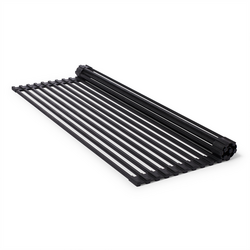
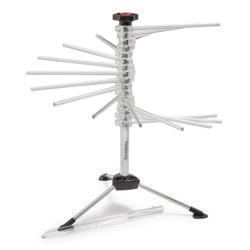
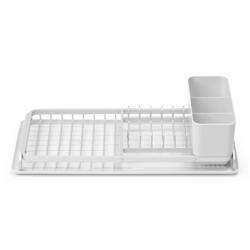
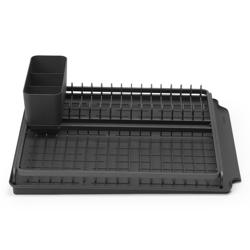
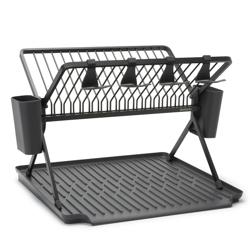
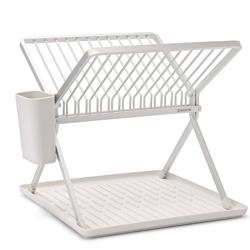
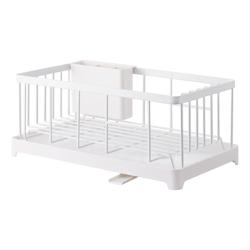
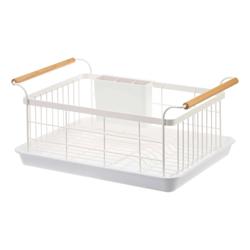
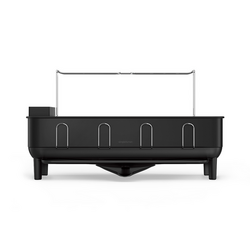
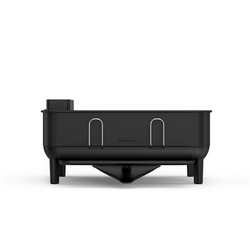
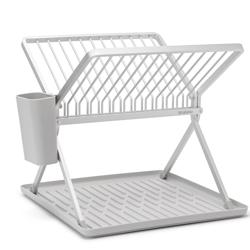
Drying racks give freshly washed dishes, glasses and kitchen tools a dedicated place to air-dry, keeping the area around the sink organized between meals. In the kitchen, a dish drying rack supports wet pieces above a draining surface so air can circulate and water can run off rather than collect underneath them. It is a useful companion to a dishwasher, too: wooden utensils, delicate drinkware and cookware labeled for hand-washing still need somewhere to dry after cleanup. The right design depends less on how many place settings a household owns than on what typically ends up in the sink. A single cook might need room for a coffee mug, a breakfast plate and a small saucepan, while a busy household may regularly wash lunch containers, mixing bowls and serving utensils together. Upright slots help separate plates and lids, an open section accommodates bowls and cups, and a utensil compartment keeps smaller tools from disappearing beneath larger pieces. Separation matters because nested bowls and tightly packed glasses can trap moisture, even when there is plenty of room elsewhere on the rack. Countertop dish racks work well when a permanent drying area suits the kitchen layout. Over-the-sink styles make use of space above the basin and allow water to drip directly into it, while foldable or roll-up designs can be practical when the same counter needs to handle breakfast prep, baking and dinner cleanup. A drying mat beneath or beside a rack can provide extra landing space for occasional overflow, provided it is allowed to dry thoroughly between uses. For anyone who cooks often, a well-proportioned rack makes a familiar routine easier: wash a few pieces as dinner simmers, set them down without balancing one against another and return to a clearer work surface. That everyday usefulness makes drying racks relevant in kitchens of many sizes, from a compact apartment to a home where the sink stays busy through several rounds of meal preparation.
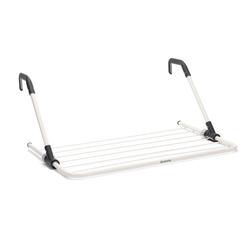
Fit deserves as much attention as capacity when choosing a dish drying rack. The usable space beside a sink includes more than an empty rectangle of countertop; faucet handles, the backsplash, nearby appliances and the sweep of a cabinet door can all affect placement. A rack may fit beneath an upper cabinet when empty but leave too little clearance for a dinner plate standing upright. Likewise, a large drainboard is only helpful if its outlet reaches the sink and directs water into the basin rather than onto the counter edge. For an over-the-sink design, compare its supported span with the sink opening and check that the edges have a secure resting place. Expandable designs need to remain stable at the width required, especially when holding heavier dishes. Leave enough access to the faucet and basin that rinsing produce or filling a pot does not require dismantling the drying area. Materials influence both appearance and everyday care. Stainless steel is a common choice for its strength and resistance to corrosion, though it still benefits from regular cleaning and drying around joints and seams. Coated metal can provide a cushioned contact surface, but the coating should be treated gently and checked for wear. Plastic components are lightweight and easy to move, with durability depending on their construction and how they are used. Silicone contact points can help reduce slipping and soften contact with dishes, while wood or bamboo designs bring a warmer look and need particular attention to drying between uses. No material eliminates the need to manage standing water. Look at the structure as a whole: sturdy supports, smooth edges, a stable base and accessible corners matter more over time than a finish alone. Removable trays and utensil holders can make routine cleaning less awkward. For delicate glasses, a secure resting position is especially important; a rack that holds everyday tumblers comfortably may not offer the right support or clearance for tall stemware.
Intended use helps narrow the choice further, particularly when the rack will handle more than plates and mugs. Someone who bakes regularly may need an open drying area for mixing bowls, measuring cups and a washed rolling pin, while a household that packs lunches may benefit from space to separate container bases from their lids. Larger cookware calls for a broad, stable support surface and a sensible loading arrangement, with heavy pieces positioned low rather than balanced across narrow dividers. Follow the rack’s stated capacity and use any glass holders or attachments only as directed. A dish drying rack also serves a different purpose from
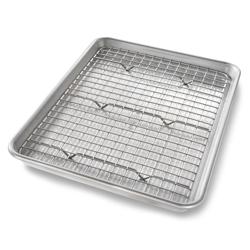
Baking Racks, which support baked goods as they cool; kitchen equipment should be used for the tasks and temperatures its manufacturer specifies. Once the dishes are put away, empty collected water and give the tray a chance to dry. Periodic cleaning with the recommended method helps remove soap residue, food particles and mineral deposits that can build up around drainage channels. Dishwasher-safe components can simplify that task, but check the care instructions before putting any part in the machine. Wood, coated surfaces and mixed-material assemblies may require hand-washing, and abrasive scrubbers can damage finishes. Keep drainage openings clear and avoid leaving a damp mat tucked underneath the rack indefinitely, particularly on moisture-sensitive counters. These small habits support a cleaner drying area and help preserve the rack’s condition through repeated use. For a first apartment, a housewarming or a shared kitchen, a drying rack can be a thoughtful practical gift when the recipient’s sink layout and counter space are known. A compact design may suit someone who puts everything away after each meal, while a roomier setup may better serve someone who cooks throughout the day. During the cooler months, when soup pots, baking dishes and extra mugs often join the wash, an adaptable drying area is especially useful. The best match leaves room for those real routines without taking over the kitchen, giving each washed piece a secure place to rest until it is dry and ready to put away.