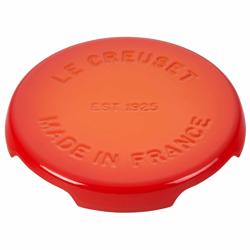
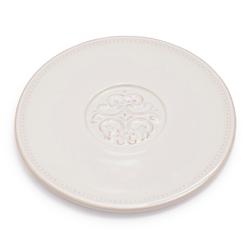
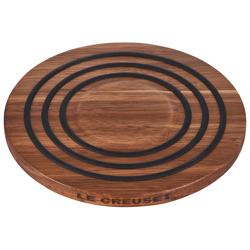
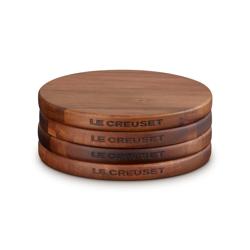
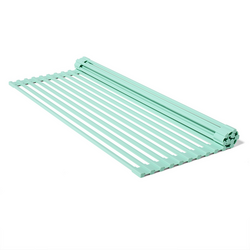
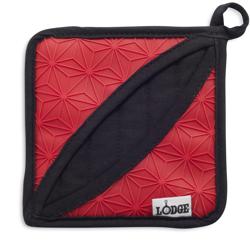
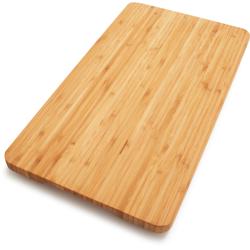
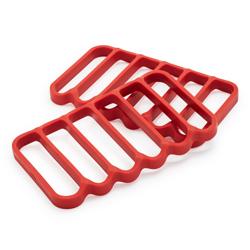
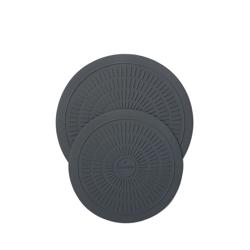
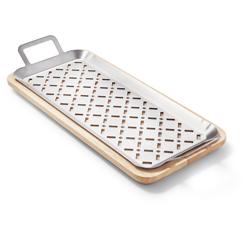
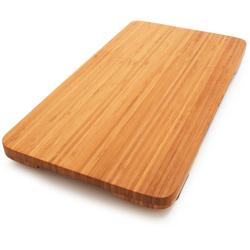
Durable trivets are heat-resistant supports that sit beneath hot cookware to help protect tables and countertops from heat damage. Long-lasting performance depends on sturdy construction, a stable base and a material suited to both the cookware and the surface underneath. Silicone, cast iron, cork, wood and ceramic each bring a different balance of weight, texture and care requirements to this everyday kitchen essential. Flexible silicone is lightweight and easy to tuck into a drawer, while textured designs can help keep a pan from shifting on a smooth surface. Its heat resistance varies by design, so the manufacturer’s temperature rating matters more than appearance alone. Cast iron brings substantial weight and a traditional look, making it a natural companion for oven-to-table cooking. Because metal conducts heat, the height and condition of its feet are especially important; a heavy metal trivet is not automatically suitable for every tabletop. Wood and cork offer warm, natural textures that work comfortably alongside everyday dinnerware, though excessive heat or prolonged moisture can leave marks or affect their shape. Ceramic adds color, pattern or a glazed finish, with the trade-off that a hard drop can cause chips or cracks. Raised stainless steel designs offer another approach, using an open frame to support cookware above the counter. Across these materials, a well-made trivet should feel steady rather than rock under pressure, with smooth edges and a base that will not readily scratch the intended surface. Protective feet, pads or backing deserve as much attention as the visible top, especially on polished wood or glass. No material is universally heatproof, and even stone countertops can have heat-sensitive finishes or sealants. The most useful choice balances the look you enjoy with the protection your cookware and furniture require. For frequent use, simple construction with securely attached components can be easier to maintain than an intricate design with delicate projections. A trivet that feels solid in the hand, rests flat and suits its intended task has the practical qualities that support years of regular use.
The right fit starts with the cookware that regularly travels from the stove or oven to a serving area. A small saucepan, a round Dutch oven and a rectangular baking dish put different demands on a trivet’s supporting surface. The cookware’s base should sit securely without teetering, and its center of weight should remain over the support. Long baking dishes often benefit from a broad rectangular design or multiple separate supports, provided the arrangement stays level and stable. Handles need room, too: a crowded table becomes harder to navigate when a hot pan extends into a place setting or blocks access to another dish. Durable trivets are useful wherever that handoff happens, whether beside the range while a sauce rests, on a kitchen island during serving or beneath a casserole at the dinner table. Keeping one near the usual landing spot for hot cookware makes it easier to set a dish down deliberately rather than search for protection with oven mitts on. Low-profile designs take up little visual space, while taller feet can create more separation between cookware and the surface below. That extra height is useful only when the trivet remains steady under the intended load. For smaller kitchens, hanging loops, stackable shapes or folding construction can simplify storage, though moving parts should lock or settle securely into their working position. A pair of compact trivets may be easier to store than one oversized support, while a larger design can give a frequently used roasting pan a dedicated landing place. Appearance matters when these pieces stay on the table throughout a meal. Natural grain softens the look of metal cookware, an openwork pattern leaves more of the table visible and a simple neutral finish lets colorful serving pieces stand out. The best match feels at home with everyday meals without being too delicate for them. A trivet can be attractive enough to leave within reach while remaining a working tool rather than something reserved for company.
Care is another part of durability, especially for trivets that collect sauce drips, crumbs and condensation beneath serving dishes. Easy-to-clean surfaces make a difference when a bubbling gratin leaves a little cheese behind or a ladle carries soup down the side of a pot. Some silicone and metal designs are dishwasher safe, but mixed materials, decorative finishes and attached feet can change the care requirements. Manufacturer instructions should determine whether a trivet goes into the dishwasher or gets washed by hand. Wood and cork generally benefit from brief cleaning rather than soaking, followed by thorough drying before storage. Cast iron needs care appropriate to its finish, particularly if any exposed metal could retain moisture and rust. Glazed ceramic can wipe clean easily, but chips and cracks call for closer attention before the next use. Whatever the material, trapped grit beneath a trivet can scratch a tabletop, so a clean underside matters just as much as a clean top. Loose feet, warped supports or badly worn backing can also compromise an otherwise sturdy piece. Allowing cookware and trivets to cool before cleaning helps avoid abrupt temperature changes and makes handling more comfortable. For additional tabletop options, explore the
Heat Resistant Table Trivets collection with your usual serving dishes and table setting in mind. These practical kitchen accessories also make thoughtful gifts for someone furnishing a first apartment, setting up a shared home or spending more time cooking for friends. A useful gift reflects the recipient’s habits: compact storage for a small kitchen, straightforward cleanup for a busy household or a substantial support for someone who loves braises and baked pasta. Pairing a trivet with kitchen linens can make a cohesive gift without requiring much knowledge of someone’s cookware collection. For personal use or giving, lasting appeal comes from the same combination of dependable support, manageable care and a design that fits comfortably into daily cooking. The goal is a reliable place for a hot dish, ready for everything from a quiet dinner to a full table.