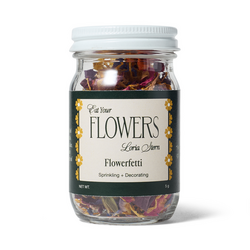
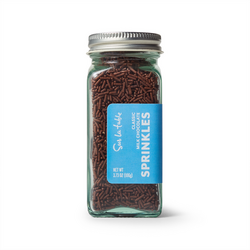
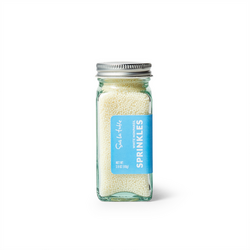
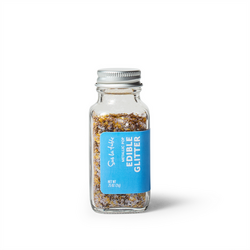
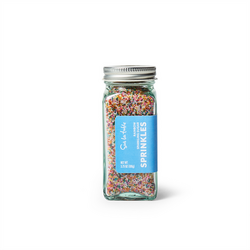
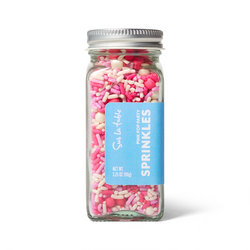
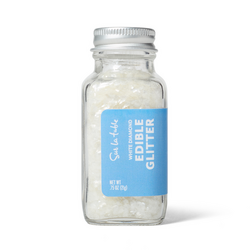
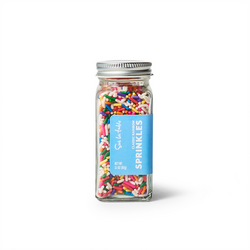
Edible sprinkles bring color, texture and a little personality to cakes, cookies and other sweet treats. A scattering of tiny sugar beads can give a simple swirl of frosting a crisp finish, while slender sprinkles create a softer, familiar look on cupcakes and ice cream. Larger confetti shapes make a more noticeable statement, whether arranged across a celebration cake or dotted over chocolate-dipped treats. The appeal goes beyond color: each style changes the way a dessert looks and feels with a bite. Fine decorating sugars catch the light without covering every detail underneath, while chunkier blends add contrast to smooth buttercream or glossy chocolate. For home bakers, that variety makes it possible to turn a dependable recipe into something that suits a birthday, graduation, baby shower or everyday get-together without changing the batter or filling. A single shade can look especially polished against white icing, and a combination of colors can tie dessert into napkins, candles or a party theme. Sprinkles also work well for smaller gestures, from a plate of cookies left for a neighbor to a cupcake tucked into a lunchbox. The right choice depends on the finish you enjoy and the dessert beneath it. Small, lightweight decorations suit delicate cookies and thin glazes, while larger shapes are easier to see against generous swirls of frosting. For an evenly scattered finish, a blend with a consistent size behaves differently from one that mixes fine sugar with larger pieces; those differences matter when decorating the sides of a cake or creating a narrow border. Some bakers prefer a restrained band of color around the edge, while others like full coverage with plenty of crunch. Both approaches can feel thoughtful, and neither requires intricate piping. Edible sprinkles offer a straightforward way to make familiar desserts feel made for the person or occasion, with enough variety to suit playful designs and simpler finishes alike.
Ingredients, texture and intended use are worth considering alongside appearance. Many edible sprinkles are made primarily from sugar, with starches, oils, colors or confectioner’s glaze helping create their shape and finish. Formulas vary, so the label is the best place to check ingredients, allergen information and suitability for vegetarian, vegan or other dietary preferences. A color or shape alone does not tell you whether a decoration contains an ingredient you need to avoid. The distinction between edible decorations and those labeled only as nontoxic matters, too: anything meant to be eaten with the dessert should be explicitly labeled edible. Texture can range from fine crystals that dissolve readily to firm sugar pieces with a pronounced crunch. Softer styles may be more enjoyable on tender cupcakes, while coarse sugar adds a distinct bite to cookie edges. If a dessert will be shared with very young children or anyone who has difficulty chewing, the size and hardness of the decorations deserve particular attention. How the sprinkles meet the surface also affects the result. Fresh buttercream gives small pieces something to grip, and melted chocolate holds decorations as it sets. A glaze that has already dried is less welcoming, leaving more sprinkles on the plate than on the cookie. Moist toppings can soften sugar decorations or cause colors to spread, especially when desserts sit for a while before serving. That does not make sprinkles unsuitable for whipped cream or other soft finishes, but decorating closer to serving generally helps preserve cleaner colors and more distinct texture. For color inside a cake or cookie rather than just on top, look for sprinkles identified as suitable for baking; some hold their shape and color better than others in batter. A quick test on a small amount of frosting or dough can be useful for an important celebration. These practical differences help narrow the choice beyond a favorite color, so the finished dessert has the appearance, flavor balance and texture you intended.
The amount and format that suit your kitchen depend on how often you bake and how you like to decorate. A small quantity can go a long way for a few cookies, while covering an entire cake takes considerably more than adding a light shower to cupcakes. A container that closes securely helps keep the contents dry between projects, and an opening that allows easy spooning can be useful when working with larger shapes. For storage, follow the package directions and keep sprinkles sealed away from moisture and direct light. Dry spoons and clean hands help prevent clumping, and decorations that have touched frosting or other moist foods should not go back into the original container. Although sprinkles can keep well when stored as directed, they are not immune to fading, changes in texture or loss of flavor; checking the date and condition before starting a project helps avoid surprises. For a decorating afternoon with children, small bowls make colors easier to share and limit how much gets scattered across the counter. A rimmed baking sheet beneath the decorating area catches stray pieces, leaving more time for choosing patterns and less for cleanup. Bakers focused on iced cutouts, sandwich cookies or chocolate-dipped edges can explore
Cookie Decorating Sprinkles for finishing touches suited to those smaller surfaces. Sprinkles also make a thoughtful addition to a baking-themed gift, especially for someone who enjoys bringing homemade treats to gatherings or decorating with family. Pairing a few complementary colors with familiar baking essentials gives the recipient room to experiment without making the project feel complicated. For more experienced decorators, subtle differences in size, sheen and texture offer another way to refine a design. A fine sugar border can frame piped details, and a few carefully placed shapes can leave a message on a cake clearly visible. Whether the goal is a neatly finished platter for guests or a colorful batch made just for fun, edible sprinkles let a simple dessert carry a personal touch.