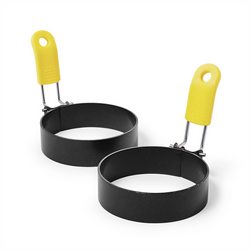
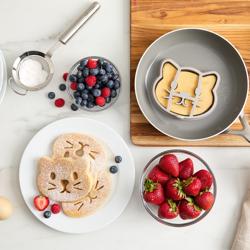
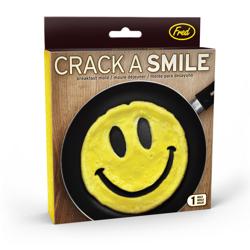
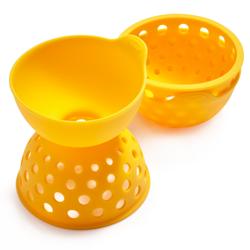
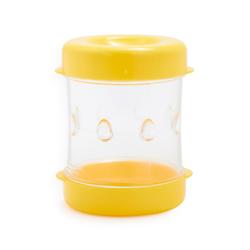
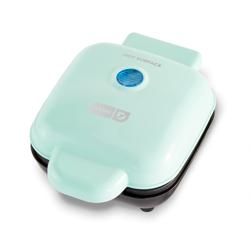
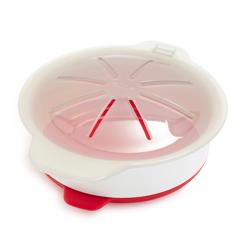
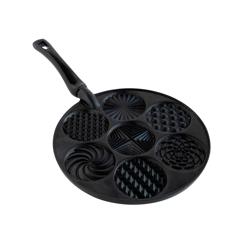
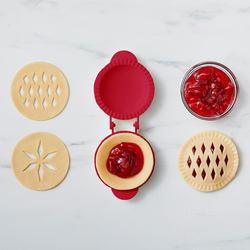
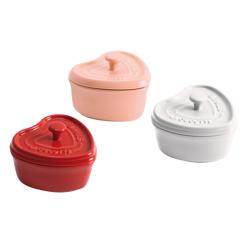
Egg molds make it easier to bring a little structure, consistency and creativity to everyday cooking. Depending on the design, an egg mold may be a metal or silicone ring for shaping fried eggs, a multi-cavity tray for baking tender egg bites or a lidded novelty mold for pressing warm hard-boiled eggs into playful shapes. Round rings are especially useful when you want neatly formed eggs for breakfast sandwiches, toast or a composed brunch plate. They can also contain pancake batter, helping create evenly sized pancakes with clean edges. Multi-cavity molds are a practical choice for preparing several portions at once, whether you are baking a make-ahead breakfast, steaming small custards or filling individual cups with eggs, cheese and vegetables. Novelty molds bring a different kind of appeal to the kitchen. A warm hard-boiled egg can be pressed into a star, animal or other shape, then chilled until it holds its form—an easy way to make a packed lunch feel special without relying on elaborate decoration. Egg molds can be useful for busy households, home cooks who enjoy weekend breakfasts and anyone who appreciates a tidy presentation. They are also a thoughtful gift for a new homeowner, a parent packing lunches or a brunch enthusiast building a collection of practical kitchen tools. For a broader assortment of shaping and baking tools, explore
Cooking Molds.
When choosing an egg mold, start with the way you are most likely to use it. A single ring works well for one or two eggs at a time and is easy to store in a utensil drawer, while a set of rings can help prepare several breakfast sandwiches for a family. Look for a shape that sits flat against the cooking surface so egg white stays contained rather than slipping underneath. The handle or tab should be easy to grasp and positioned away from direct heat, and silicone models should have enough firmness to hold their shape while an egg cooks. If you are interested in egg bites, select a tray with cavities sized for individual portions and confirm that its material is suitable for your intended appliance. Some molds are designed for the oven, while others are intended for steaming or pressure cooking; not every mold is suitable for every method. Heat resistance, freezer compatibility and dishwasher-safe care can make a noticeable difference when a tool becomes part of a regular breakfast routine. For hard-boiled egg shapers, choose a sturdy closure that stays secure while the egg chills. The cavity should be large enough for a peeled egg and simple to open without damaging the finished shape. Smooth interiors are helpful for release and cleanup, while flexible silicone is often convenient for baked preparations. It is also worth considering storage. A compact mold that nests with other cookware is easier to keep within reach, especially in a smaller kitchen. Before purchasing, review the manufacturer’s instructions for temperature limits, recommended utensils and cleaning methods. Even a small detail—such as whether the mold requires a light coating of oil or whether it can be placed directly on a hot pan—can affect the results.
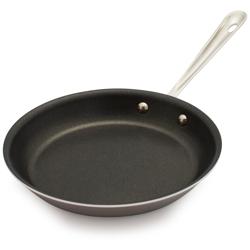
For round fried eggs, preheat the pan over medium heat, then lightly butter or oil both the cooking surface and the inside of the mold. Set the mold flat in the pan before cracking the egg into its center. Let the egg cook until the white is mostly set, usually for a few minutes, then loosen the edges carefully before lifting the mold. A flexible, heat-resistant spatula can help with removal, especially if the yolk is still soft. For baked or steamed egg bites, whisk the eggs thoroughly so the whites and yolks are blended, then fold in ingredients such as shredded cheese, cooked bacon, roasted peppers, mushrooms, spinach or fresh herbs. Fill each cavity without reaching the very top, since the mixture may puff as it cooks. Small portions are ideal for breakfasts that can be prepared ahead and enjoyed warm or cold during the cooler months, while a tray of egg bites also fits naturally into a relaxed weekend brunch. For shaped hard-boiled eggs, peel the eggs while they are still warm, place them in the mold and close the lid firmly without forcing it. Chilling the closed mold in ice water or the refrigerator helps the egg set into its new shape. The best results come from eggs that are warm and intact, since chilled eggs are less pliable and may crack under pressure. Across late summer and into fall, egg molds can lend variety to quick breakfasts, picnic lunches, school meals and gatherings around the table. They turn familiar ingredients into portions that look intentional, whether the goal is a perfectly round egg on toast, a tray of savory bites for guests or a cheerful lunchbox surprise. With the right shape, material and cooking method, an egg mold is a simple tool that adds both convenience and personality to the way you cook and serve eggs.