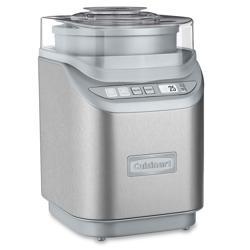
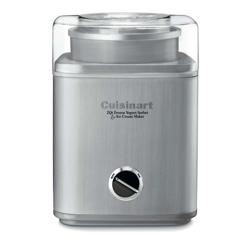
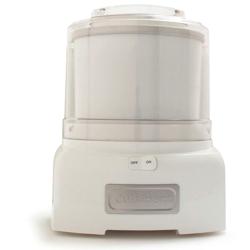
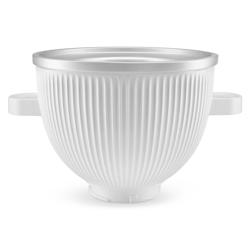
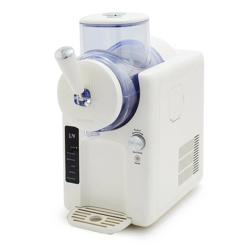
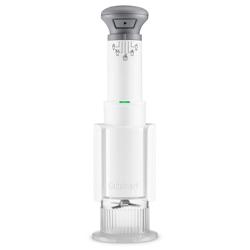
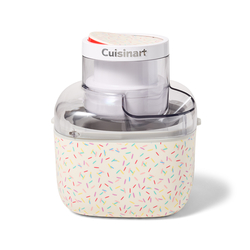
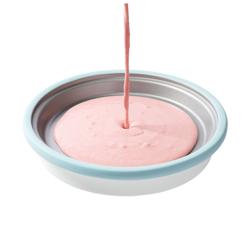
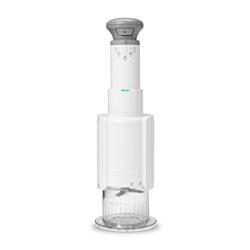
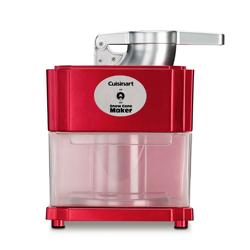
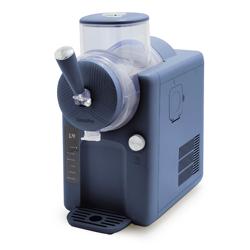
Electric ice cream machines automate the churning that turns a chilled dessert base into ice cream, frozen yogurt, sorbet or gelato. As the mixture freezes, a moving paddle helps limit the size of ice crystals and incorporates air, creating a smoother texture than simply freezing the same mixture in a container. The main types are freezer-bowl machines, self-cooling compressor machines and electric ice-and-salt machines. Each handles cooling differently, so the best fit depends as much on kitchen space and preparation time as it does on favorite flavors. Freezer-bowl ice cream makers use an insulated bowl filled with coolant that must freeze completely before churning, often for 16 to 24 hours or longer according to the manufacturer’s instructions. They suit cooks who are comfortable planning ahead and have enough freezer space to keep the bowl level. Compressor ice cream makers have built-in refrigeration, eliminating the need to prefreeze a separate bowl. These machines generally take up more counter space but can be convenient for frequent use or making successive batches, subject to the model’s operating instructions. Electric ice-and-salt machines surround a mixing canister with ice and salt to draw heat away from the base, while a motor supplies the turning motion. Their larger capacities can suit family gatherings, though they require ice, salt and room to manage the melting mixture. Another category, frozen-base dessert processors, works with mixtures frozen solid in compatible containers rather than chilling a liquid base as it churns. That distinction matters when considering preparation time and preferred serving size. Across these designs, homemade frozen desserts offer room for familiar favorites and small experiments: vanilla bean ice cream beside a warm apple crumble, a tart spoonful of raspberry sorbet between courses or coffee ice cream with a few crisp chocolate flecks. The machine handles the repetitive work, leaving more attention for ingredients and the pleasure of serving something made at home.
The right electric ice cream maker should fit both the space it occupies and the way desserts are served. A smaller capacity makes sense for a household that enjoys a few scoops after dinner or prefers trying different flavors without filling the freezer. A larger capacity is useful for shared desserts, but the stated bowl capacity is not necessarily the amount of liquid base it can accept. Ice cream expands during churning, so the manufacturer’s fill line and recipe limits leave essential room for that change. For freezer-bowl designs, checking the bowl’s height and diameter against the freezer shelf can prevent an awkward fit, especially when frozen vegetables, ice trays and leftovers already compete for space. Compressor machines deserve the same attention on the countertop, with clearance for ventilation and enough overhead room to remove the lid and bowl. Weight also matters if the appliance will move between a cabinet and the counter for every use. Materials affect handling and care as well as appearance. Stainless steel housings offer a sturdy exterior that wipes clean, while plastic housings can make some machines easier to lift. Mixing bowls may be stainless steel, aluminum or another material, sometimes with a surface coating that requires particular utensils and cleaning methods. A clear lid makes it easier to watch a base thicken, and a well-designed ingredient opening can simplify adding chopped chocolate or toasted nuts near the end of churning. Removable bowls and paddles help with cleanup, while accessible controls make operation more comfortable for occasional users. Timers, automatic shutoff and cooling functions can be useful, but their purpose and limits vary by machine. For frequent dessert making, motor suitability, secure fittings and replaceable components are more meaningful considerations than appearance alone. Cooks exploring equipment for more demanding use can also consider the
Professional Ice Cream Machine category, checking intended use, batch capacity and operating requirements rather than assuming every machine is suitable for commercial service.
An electric ice cream machine is especially rewarding for someone who enjoys baking, hosting or adjusting recipes to personal taste. A home baker can pair cinnamon ice cream with a pear tart, while a coffee enthusiast might enjoy testing the balance between espresso flavor and sweetness. For households interested in dairy-free frozen desserts, these machines offer flexibility with appropriately formulated oat, coconut or nut-based recipes. Ingredient control can also be useful when accommodating preferences, although avoiding allergens requires careful ingredient selection and thorough cleaning to prevent cross-contact. Texture still depends on the recipe: sugar influences freezing, fat contributes richness and excess water can produce an icy result. Reducing sugar sharply or swapping milk alternatives without adjusting the formula can change the outcome, even in a capable machine. A thoroughly chilled base generally freezes more efficiently, and cooked custards need proper cooling and refrigeration before use. Most churned ice cream emerges with a soft, freshly made consistency; a separate period in the freezer usually produces firmer scoops. A covered, freezer-safe storage container is therefore a practical companion, along with a flexible spatula suitable for the bowl’s surface. Small mix-ins distribute more evenly than large chunks, while sauces intended to form ribbons are often better folded in after churning so they remain distinct. These everyday details make homemade ice cream feel less like a special project and more like part of a comfortable kitchen routine. Care is equally important to long-term enjoyment. Removable parts should be cleaned as directed, with hand-washing where required rather than an assumption that everything is dishwasher safe. Motor bases must not be immersed, coated surfaces need protection from sharp utensils and freezer bowls should be handled according to their temperature and washing instructions. Thorough drying before storage helps keep parts clean and ready for the next batch. As a gift, an electric ice cream maker suits an enthusiastic cook or a household that enjoys making dessert together, provided its size and preparation needs match the recipient’s kitchen. Its appeal lasts beyond warm-weather treats, bringing a cool, creamy contrast to baked fruit, warm brownies and other desserts throughout the cooler months.